Automated archive / Highguard
Highguard Goes Dark: Inside Wildlight’s Sudden Extraction From Live Service Warfare
Highguard’s warzones are entering full evacuation protocol as Wildlight Entertainment confirms a total server shutdown on March 12, 2026. With the project decommissioned and the studio running on fewer than 20 staff, this is a live-service collapse the shooter space can’t afford to ignore.
AI-generated summary. This archive article does not have a current recorded source check. Check linked sources before relying on details. Editorial policy
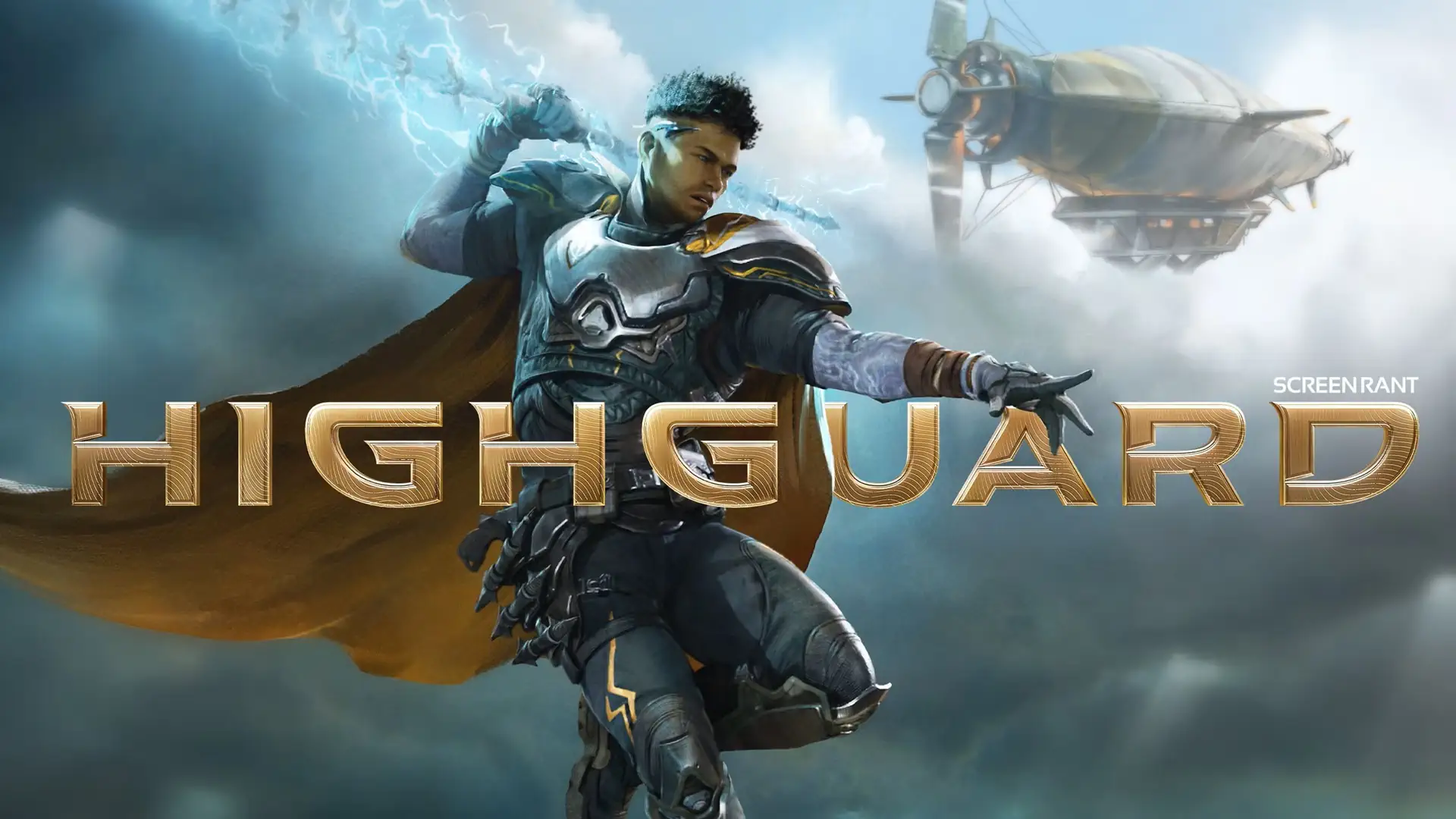
Sector Intelligence Report: Highguard – Week of March 4, 2026
Highguard’s warzones are officially in evacuation protocol. Wildlight Entertainment has confirmed that all Highguard servers will shut down on March 12, 2026, marking a rapid and sobering end for a free-to-play extraction shooter that just months ago closed The Game Awards with prime-time swagger.
This week’s data stream paints a clear picture: the project is no longer in distress—it’s in decommission.
Server Blackout: Final Extraction Scheduled
On March 4, Wildlight triggered what is effectively a network quieting protocol for Highguard. The studio has locked in a full server blackout on March 12, giving commanders a narrow window to:
- Log final operations and squad runs
- Archive favorite loadouts and builds
- Capture last-match footage and screenshots before the shard goes dark
In live service terms, this is not a partial rollback or a mode sunset. It’s a total shutdown of Highguard’s online infrastructure—no lobbies, no raids, no extraction runs. For a game positioned as a competitive, session-based shooter, that means the product ceases to exist in playable form.
This is the harshest version of the live-service failure scenario: no offline fallback, no private server tools, no “legacy” mode. When March 12 hits, Highguard transitions from live ecosystem to archived artifact.
Protocol Terminated: Project Highguard Decommissioned
A separate field report this week confirms that Project Highguard is fully terminated. Internally, that means:
- All defensive simulations and tactical frameworks are now archived
- No active development cycles remain
- No roadmap, no patches, no balance passes, and no content drops are in flight
From a #gamedev and #indiegame production standpoint, this is a hard stop, not a pivot. There’s no language suggesting a rebrand, retool, or relaunch. Highguard, as a live service, is over.
For players, that kills any remaining hope of:
- A smaller-scale "core mode" relaunch
- A PC-only or regional testbed version
- A second-season content revival to try to re-ignite concurrency
The studio’s own framing—decommissioned, archived, terminated—reads like a postmortem headline rather than a hold pattern.
Player Density Collapse: The F2P Stronghold That Never Held
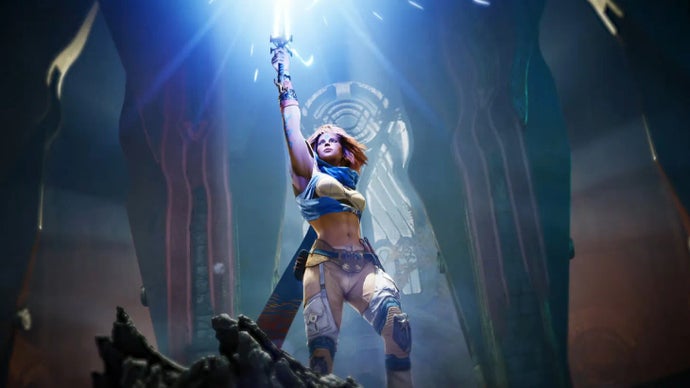
The most critical datapoint in this week’s intelligence feed is the admission of low player density across Highguard’s warzones. Wildlight cites insufficient sustainable playerbase as the primary reason for the shutdown.
For a competitive extraction shooter, matchmaking health is life support:
- Too few players and queue times spike
- Skill brackets collapse, creating lopsided, unfun matches
- The in-game economy (drops, crafting, progression) feels hollow if the ecosystem isn’t buzzing
Highguard launched into a brutally saturated arena: extraction shooters, tactical PvP, and F2P shooters are all fighting for the same attention slice. Even with the visibility boost of closing The Game Awards, the game apparently couldn’t convert hype into long-term retention.
From a design and business perspective, this is a stark reminder that visibility ≠ viability. Splashy reveals and strong trailers can spike awareness, but sustainable concurrency requires:
- A sticky core loop that compels daily/weekly returns
- Strong social hooks (clans, ranked ladders, creator ecosystems)
- A content cadence that reassures players the world will keep evolving
Highguard’s rapid descent—from awards-show spotlight to full shutdown in a matter of months—will likely become a case study in how even well-produced shooters can fail to overcome market saturation and retention drag.
Wildlight in Low-Power Mode: Fewer Than 20 Staff Remain
Watch: Transmitting Gameplay footage from the field: Official Highguard gameplay briefing
The shutdown doesn’t exist in a vacuum. Another key intelligence node this week reports that Wildlight Entertainment is now operating with fewer than 20 staff after recent layoffs.
For a studio running a competitive shooter, that headcount is extremely lean:
- Live-ops teams for balance, events, and economy tuning
- Server and infrastructure engineers
- Anti-cheat, security, and analytics
- Community, support, and marketing
All of those disciplines are typically required to keep a live-service product stable, let alone growing. With fewer than 20 operators, Wildlight’s capacity and long-term support pipelines are severely constrained.
This low-power mode likely influenced the call to decommission Highguard rather than attempt a slow-burn salvage operation. Without a robust team, the odds of turning around low concurrency, rebuilding trust, and shipping substantial new content drop dramatically.
For #gamedev observers, Wildlight’s situation underlines a hard reality: modern live-service shooters demand AAA-scale live-ops muscle, even when they’re built by teams with strong pedigree. When that muscle is cut, the product often follows.
Strategic Fallout: What Highguard’s Shutdown Signals for Live-Service Shooters
Highguard’s collapse sends several clear signals to developers, publishers, and players:
1. Awards-Show Visibility Is Not a Safety Net
Closing The Game Awards is prime real estate, but Highguard shows that event spectacle can’t compensate for weak long-term retention. The marketing spike must be paired with:
- A clear identity that differentiates from other extraction shooters
- A compelling progression structure that rewards time investment
- Strong early community-building to seed social stickiness
2. Live Service Without Critical Mass Is a Death Spiral
Low player density directly undermines the core promise of a PvP extraction shooter. Once concurrency falls below a critical threshold, every system—from matchmaking to the in-game economy—starts to feel brittle. At that point, even great patches can arrive too late.
3. Studio Health and Product Health Are Interlocked
Wildlight’s layoffs and reduced headcount make it clear: studio stability is a prerequisite for sustainable live ops. A shrinking team often means:
- Slower response to balance issues and exploits
- Longer content droughts
- Weaker communication with the playerbase
That erosion of trust accelerates churn, which then justifies further cuts—a feedback loop that Highguard appears to have been unable to escape.
What Comes Next for Wildlight and Highguard’s Legacy
With Project Highguard archived and the studio in low-power mode, the next phase is likely one of regrouping and reassessment. Wildlight will be under scrutiny for:
- Whether it spins up a smaller, more focused project
- If it pursues partnerships or a publisher lifeline
- How it communicates lessons learned from Highguard’s short lifecycle
For players and fellow developers, Highguard now shifts from active product to postmortem material—a fresh, high-profile example of how even promising, visually sharp shooters can fail to secure and sustain a viable audience.
As March 12 approaches, commanders have one final directive: extract your memories, capture your last raids, and log off with eyes open. In a live-service landscape where new contenders spawn every quarter, Highguard’s fall is a reminder that not every strong first volley wins the war.
The shard is going dark—but the industry will be dissecting this blackout for a long time to come.
Sources and corrections
This archive entry does not have a verified article-source list. Images and video embeds alone are not evidence for every claim.
Found an error? Request a correction. Include the passage and a supporting source.
Your games, in one place
Keep up with Highguard
Follow this game to collect its posts in your personal feed. Come back to see what you missed.