Automated archive / Highguard
Highguard Goes Dark: Inside Wildlight’s Sudden Extraction From Live Service Warfare
Highguard’s servers are being shut down on March 12, 2026, marking a rapid end for the extraction shooter that once closed The Game Awards in style. Wildlight Entertainment now faces a low-power future with fewer than 20 staff and no active development on the project.
AI-generated summary. This archive article does not have a current recorded source check. Check linked sources before relying on details. Editorial policy
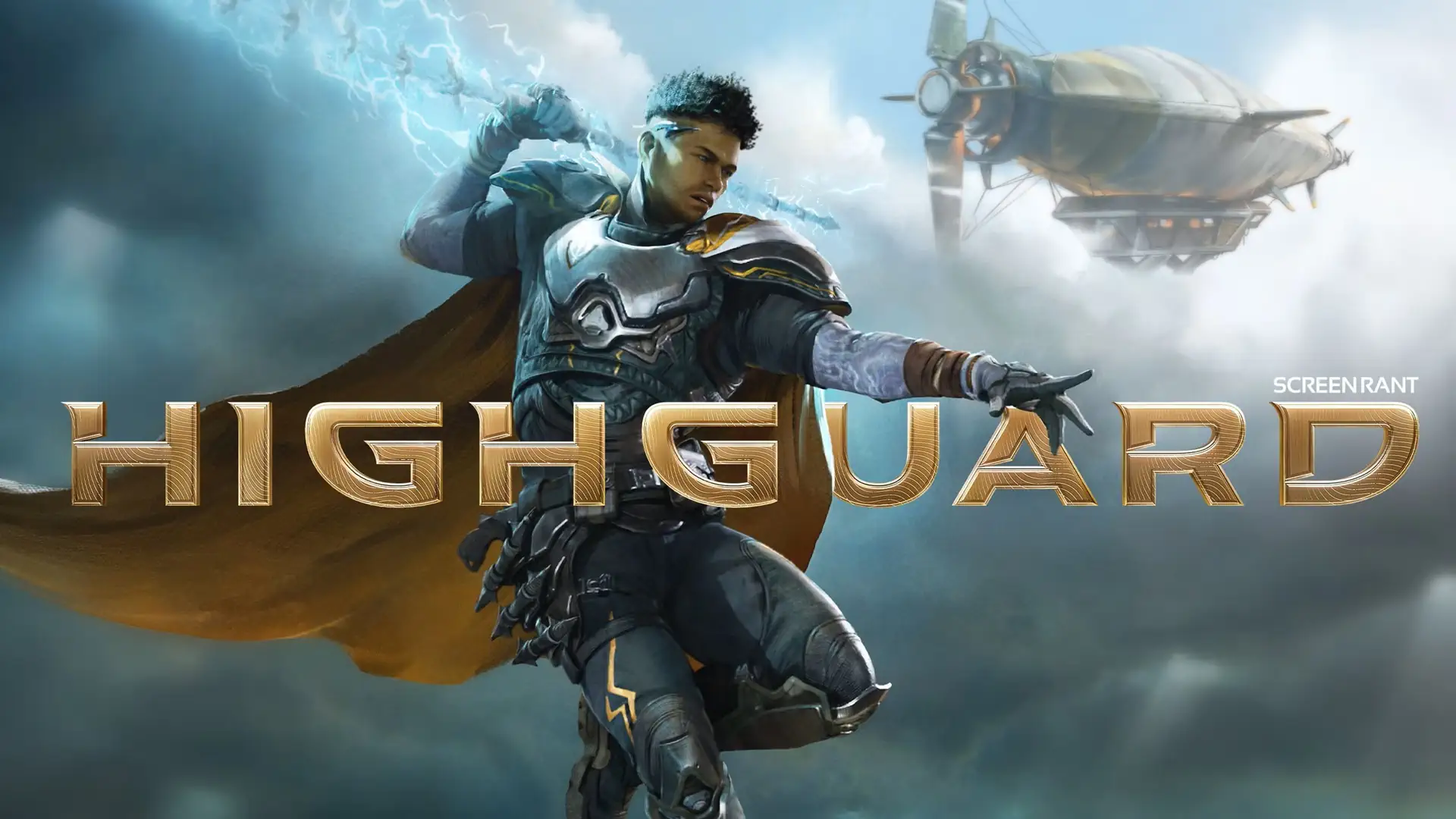
Sector Intelligence Report: Highguard // Week of March 5, 2026
Highguard’s warzones are officially on a countdown to blackout. Wildlight Entertainment has confirmed that all Highguard servers will be shut down on March 12, 2026, ending the free-to-play extraction shooter’s live service run just months after it closed out The Game Awards with a high-profile reveal. In a live-service landscape already crowded with tactical shooters and extraction experiments, Highguard’s rapid shutdown is a stark signal flare for #gamedev teams betting big on F2P economies and long-tail engagement.
This week’s signals paint a clear picture: Project Highguard is not just sunsetting; it’s being fully decommissioned.
1. Network Quieting Protocol: Full Server Blackout Confirmed
Wildlight has engaged what internal comms frame as a “Network Quieting Protocol”—a polite way of saying the shard is going dark.
- Shutdown date: March 12, 2026
- Status: Full server shutdown, no partial modes or offline fallback
- Player directive: Log final ops, archive favorite loadouts, capture last-match footage
The studio cites failure to secure a sustainable playerbase as the primary cause. Despite Highguard’s strong debut moment—closing The Game Awards, a prime-time slot that most #indiegame teams can only dream of—the game never reached the critical mass needed to stabilize its live-service economy or matchmaking health.
From a design and operations standpoint, low player density hits extraction shooters especially hard:
- Matchmaking friction: Longer queue times and uneven skill brackets
- Economy stagnation: Fewer players circulating gear, cosmetics, and progression signals
- Perceived risk: New players sense a “ghost town” and churn faster, accelerating decline
In short, Highguard’s core loop depended on a vibrant, constantly refreshed player funnel. That funnel never fully materialized.
2. Protocol Terminated: Project Highguard Officially Decommissioned
Watch: Transmitting Gameplay footage from the field: Official Highguard gameplay trailer
Alongside the server shutdown, Highguard has been formally decommissioned as an active project. All prior defensive simulations, tactical frameworks, and systems design work are now effectively frozen in time—archived rather than iterated.
For players, that means:
- No final balance passes or farewell events beyond the shutdown window
- No roadmap pivots (e.g., shifting to PvE-only or limited-time modes)
- No promise of relaunch, soft reboot, or offline “museum” build
For developers tracking the sector, this is an instructive case study in how quickly a modern live-service shooter can move from splashy reveal to full termination:
- High-visibility debut (The Game Awards closer)
- Compressed post-launch runway with aggressive content expectations
- Underperforming KPIs (DAU/MAU, retention, monetization) in a saturated genre
- Abrupt decommissioning instead of slow, quiet sunsetting
In an era where retention curves are measured in hours, not weeks, Highguard illustrates the unforgiving math of F2P shooters: if your early cohorts don’t stick, there’s rarely enough time—or budget—to rebuild the plane mid-flight.
3. Wildlight in Low-Power Mode: Fewer Than 20 Staff Remain
The shutdown doesn’t exist in a vacuum. Wildlight Entertainment has reportedly been hit by heavy layoffs, leaving the studio with fewer than 20 staff in active operation.
With that kind of headcount, the studio’s production cadence, live-ops capability, and long-term support pipelines are all in question. Maintaining a competitive, frequently updated extraction shooter is brutally resource-intensive:
- Continuous balance and meta tuning
- Steady drip of new content (maps, modes, weapons, cosmetics)
- Anti-cheat, security, and stability work
- Ongoing community management and live events
A sub-20-person team can absolutely ship sharp, focused #indiegame experiences, but sustaining a AAA-adjacent, high-fidelity F2P shooter at scale is another matter entirely. The layoffs effectively forced Wildlight to choose between:
- Spreading too thin over a struggling live product, or
- Powering down Highguard and reallocating remaining talent to future prototypes and pitches
They chose the latter—an extraction from their own extraction shooter.
4. Strategic Debrief: Lessons for #gamedev and Live-Service Design
Highguard’s rapid fall from awards-stage closer to shutdown notice is a cautionary tale for studios of all sizes:
4.1 Visibility Is Not Viability
Closing The Game Awards put Highguard in front of millions, but awareness did not convert into durable retention. For live-service shooters, momentary hype is only the opening volley; the real battle is:
- Day 1 → Day 7 retention
- Conversion from curious tourists to invested mains
- Social stickiness—are players pulling their squads into the game?
4.2 Extraction Shooters Need Critical Mass or Clever Fallbacks
Extraction design thrives on player density. Without it, pacing breaks:
- Empty lobbies and low-risk runs erode tension
- Encounter frequency drops, undermining the fantasy of contested high-value zones
- New players misread low activity as a dead game, accelerating churn
Future projects in this space may need:
- Hybrid PvE/PvP modes that scale gracefully with low concurrency
- Bot-backed lobbies that preserve tension even at off-peak hours
- Flexible server architectures that can downscale cost without killing the experience
4.3 Studio Health Determines Live-Service Lifespan
Even the sharpest design can’t outrun a collapsing org chart. Wildlight’s reported headcount suggests a studio forced into survival mode, where:
- Risk tolerance drops
- Long-term live commitments become untenable
- The safest move is to cut burn rather than chase marginal gains
For teams considering live-service shooters, the Highguard outcome underlines a hard truth: if you don’t have multi-year runway and robust staffing for content, ops, and community, the model can eat you alive.
5. What’s Next for Highguard’s Commanders—and Wildlight
In practical terms, players now have a narrow window to:
- Run final raids and extractions with their squads
- Capture screenshots and clips of favorite loadouts and firefights
- Archive the game’s UI, maps, and systems for posterity and #gamedev reference
For Wildlight, the playbook likely shifts to:
- Stabilizing the remaining team
- Reassessing relationships with potential publishing partners
- Scoping smaller, more sustainable projects—possibly leaning into tighter, more focused shooter experiences or even fully single-player prototypes
Highguard’s shutdown is a loss for fans of its specific tactical flavor, but it’s also a dense data point for the broader industry. In a sector where extraction shooters and competitive F2P titles are still multiplying, its failure will quietly inform the next wave of designs, pitches, and risk assessments.
As this shard of the net goes dark on March 12, 2026, Highguard transitions from live battlefield to case study—a reminder that in modern live service warfare, content is king, but concurrency is god.
Sources and corrections
This archive entry does not have a verified article-source list. Images and video embeds alone are not evidence for every claim.
Found an error? Request a correction. Include the passage and a supporting source.
Your games, in one place
Keep up with Highguard
Follow this game to collect its posts in your personal feed. Come back to see what you missed.