Automated archive / Highguard
Highguard’s Hero Shooter Dream Walks Into a Firing Squad
Highguard’s hero shooter debut has collapsed into layoffs, backlash, and a brutal live‑service reality check. From TiMi Studio Group’s quiet backing to a post‑mortem unfolding in real time, this is now a case study every studio should be reading.
AI-generated summary. This archive article does not have a current recorded source check. Check linked sources before relying on details. Editorial policy
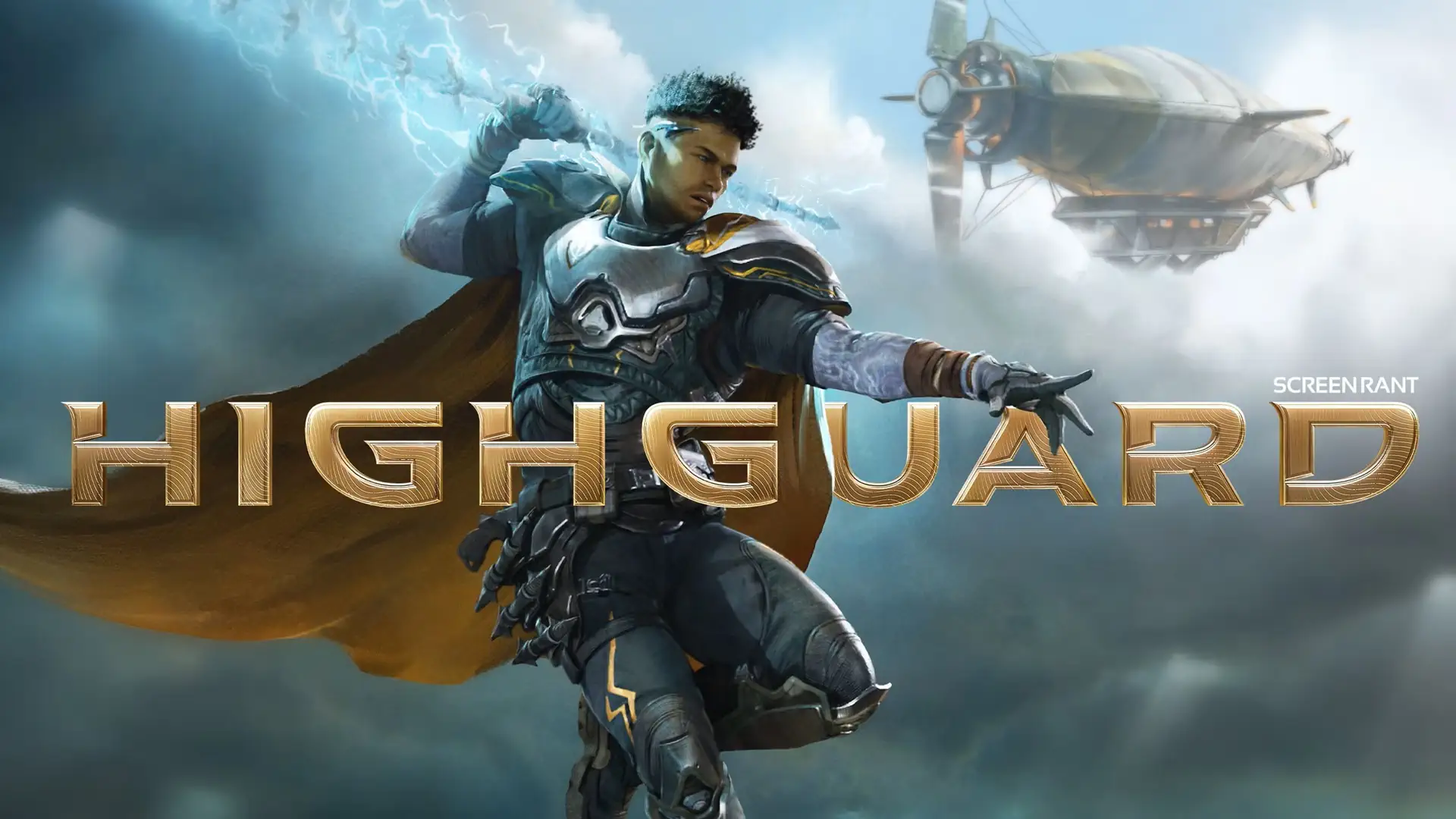
Situation Overview: Highguard’s First Month Turns Into a Case Study in Failure
Highguard was supposed to be Wildlight Entertainment’s bold entry into the hero shooter wars. Instead, the last seven days have turned the project into a living #gamedev post‑mortem. A disastrous announcement‑and‑launch cycle, rapid layoffs, and now revelations about Tencent subsidiary TiMi Studio Group quietly backing the studio have reshaped the narrative from “promising new hero shooter” to “cautionary tale for every live‑service team.”
In this week’s Sector Intelligence Report, we break down what went wrong, who’s really bankrolling the operation, and what this means for Highguard’s future as a live product—and as a warning beacon for #indiegame and AA studios aiming at the same space.
Deployment Failure: Inside Highguard’s Botched Rollout
A former Highguard developer has surfaced to dissect the game’s troubled debut, framing the announcement‑and‑launch sequence as a textbook example of how not to roll out a live‑service shooter.
Misread Market, Misaligned Messaging
According to the debrief, Wildlight underestimated just how fatigued players are with new hero shooters and live‑service promises. Highguard’s marketing beat leaned on familiar genre language without a clear differentiator. In a market dominated by Apex, Valorant, and Overwatch 2, “another hero shooter” isn’t a pitch—it’s a red flag.
The result: a rollout that generated visibility, but not conviction. When players did drop in, early friction—balance issues, unclear progression hooks, and a lack of must‑play identity—meant there wasn’t enough goodwill to withstand the incoming storm.
Broken Pipelines, Broken Trust
The former dev’s account points to internal pipeline issues that left the team shipping under pressure, with little room to respond quickly to early feedback. That’s fatal for a live‑service launch, where the first two weeks are everything. Instead of a rapid series of patches and confident communication, Highguard’s early days were defined by uncertainty.
The community read that silence as indifference or incompetence. The reality, based on these logs, looks more like a team already under structural strain.
Watch: Transmitting Gameplay footage from the field: Official Highguard reveal/launch trailer
Collapse of the Garrison: Layoffs Hit “Most of the Team”
Just weeks after launch, reports surfaced that Highguard’s dev team had been hit with major layoffs. A designer on the project claimed that “most” of the team was gone—a claim later backed by Wildlight Entertainment’s own confirmation of significant cuts.
Live Service Without a Live Team?
For players, this instantly reframed the conversation. Questions shifted from balance patches and new heroes to whether Highguard would receive any meaningful support at all. Live‑service games live or die on cadence—events, updates, meta shifts. Stripping out most of the dev staff this early is effectively pulling the plug on that promise.
For developers, it’s yet another signal that studios are willing to bail at alarming speed if the opening week doesn’t hit projections. Ambitious online titles are being treated less like long‑term platforms and more like binary bets: immediate traction or immediate triage.
The Human Cost Behind the Patch Notes
The speed of the layoffs turned Highguard’s launch into what one could fairly call a “post‑mortem speedrun.” The people who built the game barely had time to iterate on their own work before being shown the door. That’s not just a production problem; it’s a talent‑retention nightmare for the wider industry, as experienced devs watch yet another studio implode under live‑service pressure.
Signal Scramble: Dev Pushback on Dogpiles and Ragebait
Amid the fallout, a laid‑off Highguard developer has publicly called out the online reaction cycle: dogpiling, ragebait thumbnails, and personal attacks spun into monetized content.
Engagement vs. Empathy
The dev’s criticism cuts at a hard truth: the modern content ecosystem thrives on failure. Highguard’s missteps became fuel for commentary, reaction videos, and social media pile‑ons that often blurred the line between critiquing a product and targeting the people behind it.
For studios, this is a strategic consideration as much as an ethical one. Launching a live‑service title now means planning not only for balance patches and roadmaps, but for managing the inevitable outrage economy around any stumble. For individual devs, the message is harsher: your career turbulence is someone else’s engagement funnel.
Operational Takeaway for #gamedev Teams
Teams building the next Highguard‑sized project need to treat comms and community health as core systems, not bolt‑ons. That means:
- Clear escalation plans for launch‑week issues.
- Designated spokespeople and safe channels for dev voices.
- Internal policies on how (and whether) staff should engage with hostile online discourse.
Without that, every misstep risks spiraling into a brand crisis and a morale crisis simultaneously.
Silent Capital: TiMi Studio Group’s Backing Comes Into Focus
The latest intelligence packet reveals that Tencent’s TiMi Studio Group quietly acted as the lead financial backer for Wildlight Entertainment and, by extension, Highguard.
Strategic Alliances, Opaque Expectations
On paper, TiMi’s involvement gives Highguard serious firepower: deep pockets, infrastructure experience, and a portfolio full of live‑service success stories. In practice, the silence around that relationship raises questions.
Was TiMi hands‑off, simply funding a veteran‑led experiment? Or were there aggressive performance targets that helped trigger the rapid downsizing once launch metrics fell short? We don’t have full visibility into the deal structure, but the timing of the layoffs suggests that patience was in short supply.
For other #indiegame and mid‑sized studios, this is the strategic lesson: external capital can supercharge your ambitions, but it also compresses your runway. When you’re playing with big‑publisher expectations, a rough launch isn’t a bump in the road—it’s grounds for immediate restructuring.
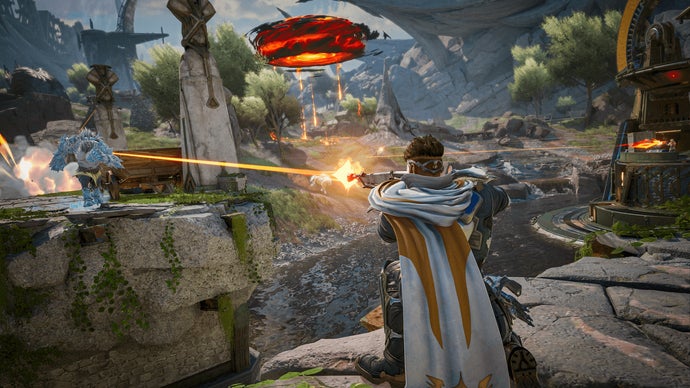
Future Outlook: Is There a Highguard Worth Salvaging?
With most of the team gone and the studio “recalibrating” its post‑release strategy, Highguard’s future is uncertain at best. A skeleton crew can keep servers online and push critical fixes, but rebuilding momentum in the hero shooter space without a full live‑ops machine is a long shot.
From a sector intelligence perspective, Highguard now functions less as a competitive product and more as a live case file:
- For publishers and investors: Launch expectations for online titles are increasingly unforgiving; contingency planning is no longer optional.
- For developers: Transparency, realistic scope, and sustainable pipelines matter more than ever when targeting volatile genres.
- For players: Early adoption of new live‑service games is starting to look like a higher‑risk proposition, with abandonment a constant threat.
Highguard may yet stabilize as a niche title, but its first month will be studied in studios and boardrooms as a reminder: in 2026, you don’t just need a good game—you need a resilient team, a shock‑proof launch plan, and a long‑term commitment that survives the first bad week of metrics.
Sources and corrections
This archive entry does not have a verified article-source list. Images and video embeds alone are not evidence for every claim.
Found an error? Request a correction. Include the passage and a supporting source.
Your games, in one place
Keep up with Highguard
Follow this game to collect its posts in your personal feed. Come back to see what you missed.