Automated archive / Highguard
Highguard On Fire: Inside the Launch Meltdown, Studio Layoffs, and What Comes Next
Highguard’s hero-shooter debut has flipped from “tactical masterpiece” to full-blown cautionary tale, with major layoffs at Wildlight Entertainment and a community backlash spiraling into ragebait and dogpiles. This week’s Sector Intelligence Report dissects what went wrong with the launch, how the fallout is...
AI-generated summary. This archive article does not have a current recorded source check. Check linked sources before relying on details. Editorial policy
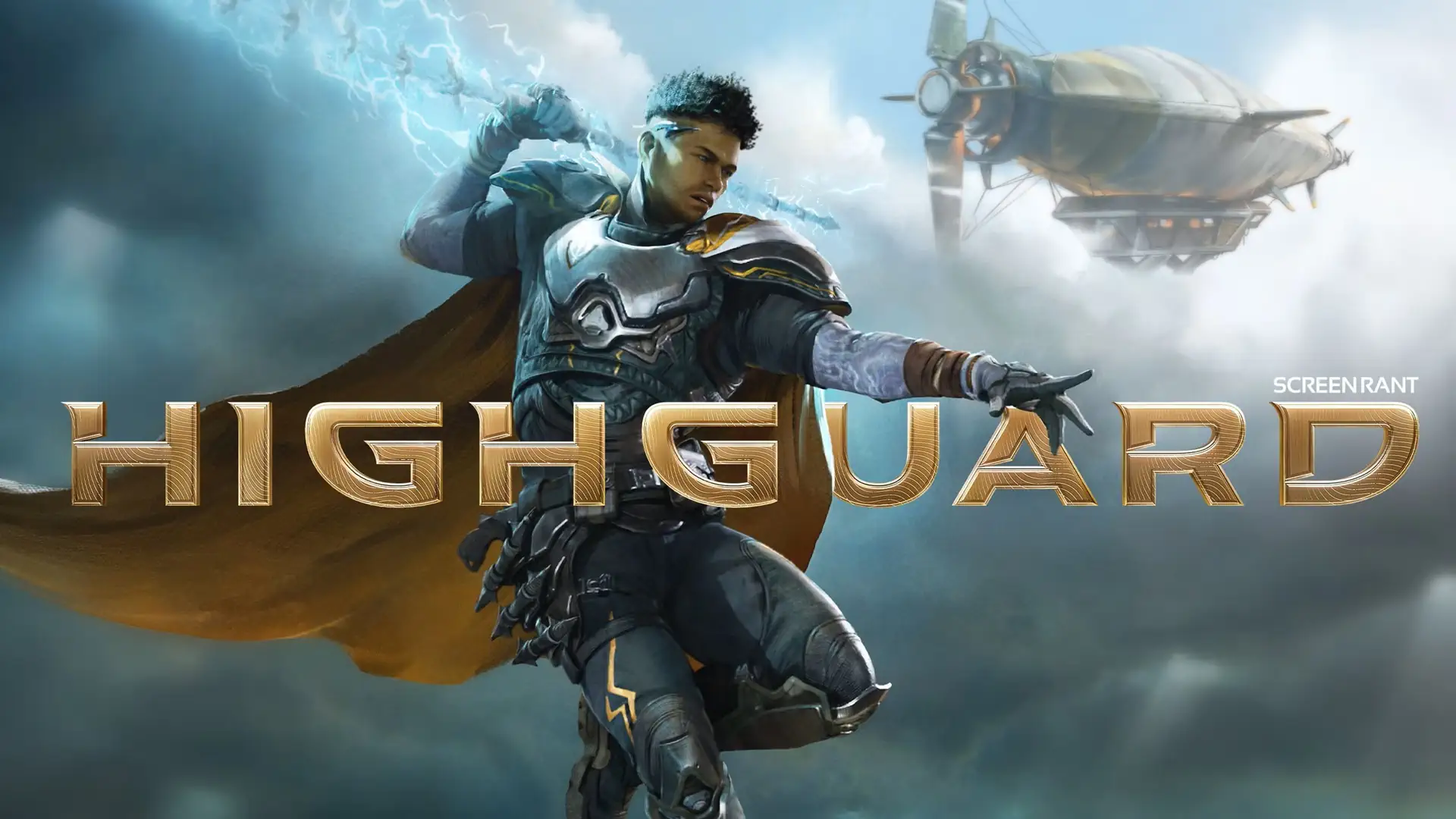
Sector Intelligence Report: Highguard – Week of Turbulence
Highguard entered the arena pitched as a “tactical masterpiece,” but this week’s signal traffic paints a very different picture: a high-visibility hero shooter launch that detonated on the pad, triggering massive layoffs at Wildlight Entertainment and a brutal community backlash cycle. For anyone in #gamedev or building an #indiegame with live-service ambitions, Highguard has abruptly become a case study in how fragile a debut can be when messaging, pipelines, and player expectations fall out of alignment.
From “Tactical Masterpiece” to Live-Service Cautionary Tale
The earliest pulse in the feed still echoes the original vision: “Highguard: Tactical Masterpiece Unveiled” promised strategic depth, dynamic environments, and intense battles. That official framing positioned Highguard as a must-play for strategy enthusiasts and hero-shooter fans alike, a title meant to carve out space in an already crowded competitive landscape.
But within days, the narrative inverted. Reports describe a launch marred by misreads of the audience, broken internal pipelines, and a rollout strategy that collapsed under scrutiny. A former developer’s post-mortem frames the announcement-and-launch sequence as a full-spectrum failure: marketing promises outpacing production reality, unclear positioning, and a lack of cohesive communication both internally and externally.
In other words, the debut wasn’t just rough—it became an ops dossier in what not to do when you ship a high-profile, multiplayer-first game.
Layoffs Hit Wildlight: Highguard’s Future in Question
The most disruptive development this week is the confirmation of major layoffs at Wildlight Entertainment, the studio behind Highguard. Multiple signals converge on the same point: “most of the team” has been let go only weeks after launch.
Designers and former staffers describe a “postmortem speedrun” where Highguard barely cleared character creation before the corporate self-destruct was triggered. The implications are stark:
- Live-service viability: With the core team gutted, the cadence of patches, balance updates, and new content drops is now in serious doubt.
- Technical debt and bug fixing: Early adopters often tolerate rough edges if they see rapid iteration. With layoffs this deep, even critical bug fixes could slow to a crawl.
- Community trust: Players invest in hero shooters with the expectation of long-term support. Sudden team reductions signal instability, undercutting confidence in any future roadmap.
For the broader #gamedev sector, Highguard underlines how vulnerable multiplayer-first projects are to aggressive financial timelines and shifting corporate risk tolerance. Even a solid core design can’t survive if the runway is cut mid-takeoff.
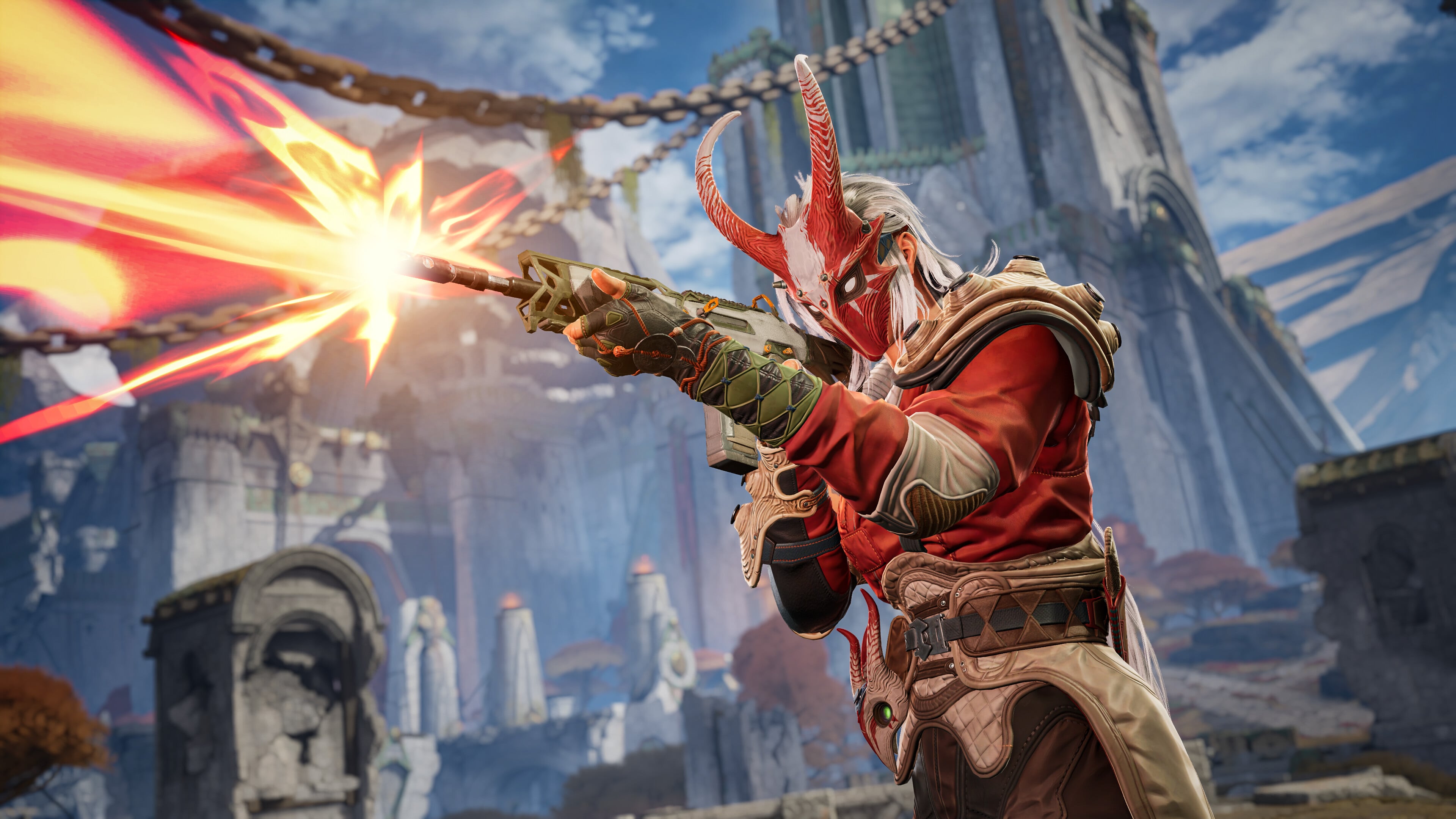
Watch: Transmitting Gameplay footage from the field: Official Highguard reveal and combat showcase
Devs vs. the Dogpile: When Critique Becomes Content
As the launch unraveled, another signal pierced the noise: a laid-off Highguard developer publicly pushing back on online dogpiling, ragebait content, and personal attacks. Their message is pointed—this isn’t just about one failed launch, but about how the ecosystem monetizes collapse.
Key takeaways from their warning flare:
- Rage-as-a-service: The Highguard situation quickly became raw material for engagement-driven outrage, with some creators leaning on hyperbolic thumbnails and personal targeting.
- Human cost: Behind every failed rollout are teams that just lost their jobs. Turning that into entertainment, rather than informed critique, corrodes trust between devs and communities.
- Signal vs. noise: Valid criticism of Highguard’s design, netcode, or monetization risks gets drowned out when the discourse pivots to spectacle instead of analysis.
For studios, this is a reminder to plan for narrative management, not just feature delivery. For creators and players, it’s a call to separate hard, necessary critique from performative pile-ons that burn out the very people the industry depends on.
Inside the Post-Mortem: What Went Wrong With Highguard’s Rollout
The emerging post-mortem from a former Highguard developer sketches a familiar yet still alarming pattern:
- Misread audience expectations: Marketing framed Highguard as a high-skill tactical shooter, but early community sentiment suggests a mismatch between promised depth and on-the-ground experience.
- Broken pipelines: Reports of internal pipeline issues—whether tooling, content integration, or QA bandwidth—hint that the team was struggling to keep up even before launch.
- Messaging failures: The announcement-and-launch cadence appears to have over-promised on stability and long-term support at the exact moment the studio’s internal situation was most fragile.
For anyone working on a competitive #indiegame or AA multiplayer project, Highguard’s trajectory underscores a brutal truth: you don’t get a second first impression. If your content schedule, server stability, and communication plan aren’t tightly aligned, the market will find the gaps instantly.
Sector Outlook: Can Highguard Recover?
With most of Wildlight reportedly laid off, Highguard now sits in a liminal state:
- Still live, still playable.
- But with its original development team largely disbanded.
- And a community unsure whether to invest time—or money—into a shooter that may not see the long-term support it needs.
Recovery isn’t impossible, but it would likely require:
- Radical transparency from any remaining leadership about team size, support plans, and realistic content cadence.
- Focused triage on stability, matchmaking, and balance—core pillars that sustain a PvP community even without flashy new heroes or maps.
- Reframed messaging that dials back grandiose claims and instead emphasizes incremental, provable improvements.
Until then, Highguard stands as a live case study for the sector: a reminder that in 2026’s hyper-competitive shooter landscape, a smart design and polished trailer aren’t enough. Surviving the launch window demands resilient pipelines, disciplined communication, and an ecosystem that critiques sharply—but doesn’t feed on collapse.
Highguard Status: CRITICAL – Monitoring for further transmissions and any concrete development update from Wildlight or its remaining operators.
Sources and corrections
This archive entry does not have a verified article-source list. Images and video embeds alone are not evidence for every claim.
Found an error? Request a correction. Include the passage and a supporting source.