Automated archive / Highguard
Highguard on Fire: Inside the Launch Meltdown, Layoffs, and Lessons for Live-Service Ops
Highguard’s high-profile hero-shooter debut has already collapsed into layoffs, backlash, and a brutal live-service post-mortem. This week’s Sector Intelligence Report dissects what went wrong—and what every studio needs to learn before their next launch.
AI-generated summary. This archive article does not have a current recorded source check. Check linked sources before relying on details. Editorial policy
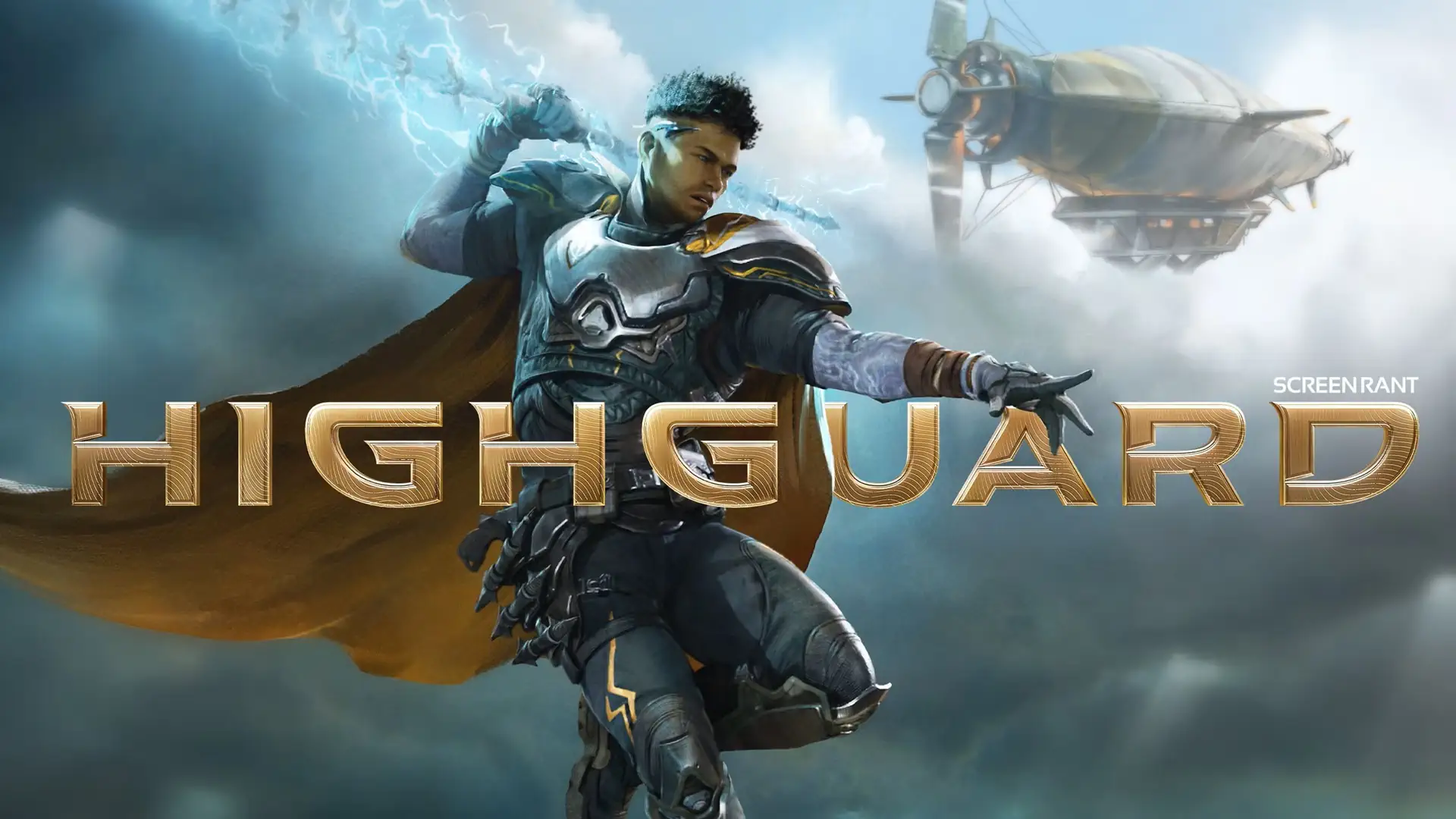
Sector Intelligence Report: Highguard – Week of Turbulence
Highguard entered the cycle pitched as a "tactical masterpiece" and potential new pillar in the hero-shooter space. Seven days later, the conversation around highguard is less about clutch plays and more about crisis management, layoffs, and the human cost of a failed live-service rollout. This week’s Sector Intelligence Report for Breach.gg breaks down what went wrong, how the narrative flipped so fast, and what every #gamedev team should be learning from the wreckage.
1. From Tactical Masterpiece to Case Study in Failure
On paper, Highguard launched with all the right talking points: strategic depth, dynamic environments, and a push to present itself as a must-play for tactics-driven shooter fans. The official messaging framed it as a clean, confident debut – the kind of launch you’d expect a studio to build a multi-year roadmap around.
But the post-mortem now emerging from former developers paints a very different picture. According to one ex-Highguard dev, the announcement-and-launch sequence was a textbook misread of audience expectations and market conditions. Internal pipelines were reportedly strained, messaging wasn’t aligned with the actual state of the game, and the rollout cadence left no room to course-correct once community sentiment turned.
In other words: Highguard didn’t just ship into a rough market – it shipped into a perfect storm of miscommunication, misalignment, and overexposure.
2. Community Blowback and the Weaponization of Outrage
One of the sharpest signals this week came from a laid-off Highguard developer who directly called out online dogpiling, ragebait content, and personal attacks. Their warning is blunt: the downfall of a project – and the people behind it – has become someone else’s engagement funnel.
For live-service and #indiegame teams, this is more than drama; it’s operational risk. Once Highguard’s launch stumbles became public, coverage rapidly shifted from critique of design and systems into personality-driven pile-ons. That shift doesn’t just hurt individuals – it muddies the signal for teams trying to extract actionable feedback.
Highguard’s trajectory shows how quickly a game can move from “flawed but fixable” to “irreparable brand hazard” once the discourse is dominated by outrage loops rather than grounded analysis.
3. Layoffs: The Studio Pulls the Ripcord
The most brutal development in Highguard’s week was confirmation of major layoffs at Wildlight Entertainment. Multiple reports, backed by statements from a designer and later the studio itself, indicate that "most of the team" has been let go just weeks after launch.
This is more than a bad quarter; it’s a structural collapse. When a live-service shooter loses the bulk of its development staff this early, core questions follow:
- Who is left to stabilize servers, address bugs, and ship balance patches?
- Is there still a viable content pipeline, or has the roadmap effectively been shredded?
- Can Highguard realistically sustain any kind of long-term support, or is it now in quiet wind-down mode?
Players who were only just starting to explore Highguard’s systems are now asking if they’re investing time into a dead game. That uncertainty is poison for retention – and a warning flare for any studio relying on “fix it live” as a safety net.
4. The Ops Debrief: What Went Wrong in the Launch Sequence
Former dev accounts describe Highguard’s rollout as a chain of internal and external failures:
4.1 Misaligned Messaging vs. Reality
Marketing framed Highguard as a polished, ready-for-primetime hero shooter. Internally, pipelines and schedules were reportedly under strain, with features and systems not fully ready for the spotlight. That gap between promise and reality is where community trust evaporates.
4.2 No Buffer for Iteration
Highguard’s launch cadence left little room to absorb backlash, gather data, and iterate. In a live-service landscape, you either:
- Under-commit, over-deliver – and build goodwill, or
- Over-commit, under-deliver – and give critics a loaded arsenal.
Highguard landed squarely in the second category, and the studio clearly didn’t have the financial or structural runway to ride out a rough first season.
4.3 Human Cost vs. Corporate Timelines
The speed at which layoffs followed launch suggests a funding and expectations model that assumed rapid traction and strong early monetization. When that didn’t materialize, the response wasn’t to re-scope and stabilize – it was to hit the eject button on the very people who could have turned the ship.
5. Signal for Developers: How Not to Become the Next Highguard
For #gamedev teams watching Highguard’s implosion, several lessons are already clear:
- Control the first impression. Your announcement and launch need to be calibrated to the actual state of the product, not the idealized pitch deck version.
- Plan for backlash, not just best-case. Assume your first week will surface every weakness in your tech, UX, and monetization. Build time, tooling, and staffing around that reality.
- Protect your people from the discourse. Studios need policies and support structures for when online criticism mutates into personal harassment. The Highguard dev’s comments about dogpiling should be treated as a red-alert signal for the industry.
- Don’t tie studio survival to instant success. If your business model can’t survive a rocky launch window, you’re not running a live-service – you’re running a gamble.
Highguard may still be technically online, but operationally it has already become a cautionary briefing for the sector.
6. The Game Itself: What’s Left on the Field?
Watch: Transmitting Gameplay footage from the field: Official Highguard gameplay reveal
The tragedy here is that beneath the chaos, Highguard reportedly had a foundation worth iterating on: tactical hero synergies, layered objectives, and a focus on strategic positioning over raw twitch aim. Early adopters described moments of genuine brilliance when team compositions clicked and map knowledge paid off.
But a live-service shooter lives or dies on trust in ongoing support. Without a clear development update from Wildlight on who remains, what the new scope is, and whether any roadmap still exists, even the most dedicated players are left guessing.
For now, Highguard sits in a liminal state – not officially dead, but structurally unable to deliver on the long-haul promise that defines the genre.
7. What to Watch Next Week
Key signals to monitor in the coming days:
- Official communication from Wildlight outlining the post-layoff structure and any surviving roadmap.
- Server stability and patch cadence – a slowdown or total halt would confirm that Highguard is effectively in maintenance or sunset mode.
- Community pivot – whether remaining players organize around preservation (guides, tournaments, fan-run events) or drift away to healthier ecosystems.
Highguard’s first month is no longer about climbing the charts; it’s about whether the game can avoid becoming another cautionary slide in every publisher’s risk deck. For teams across the #gamedev and #indiegame spectrum, this is the moment to study, adapt, and make sure your own launch plans don’t share the same fate.
Sources and corrections
This archive entry does not have a verified article-source list. Images and video embeds alone are not evidence for every claim.
Found an error? Request a correction. Include the passage and a supporting source.