Automated archive / Highguard
Highguard On The Brink: Tactical Brilliance Meets Studio Turbulence
Highguard is delivering sharp, episode-driven tactical gameplay just as reports of major post-launch layoffs throw its future into doubt. This week’s Sector Intelligence Report breaks down the game’s strategic strengths, the studio’s instability, and the survival scenarios now facing this ambitious indie tactics...
AI-generated summary. This archive article does not have a current recorded source check. Check linked sources before relying on details. Editorial policy
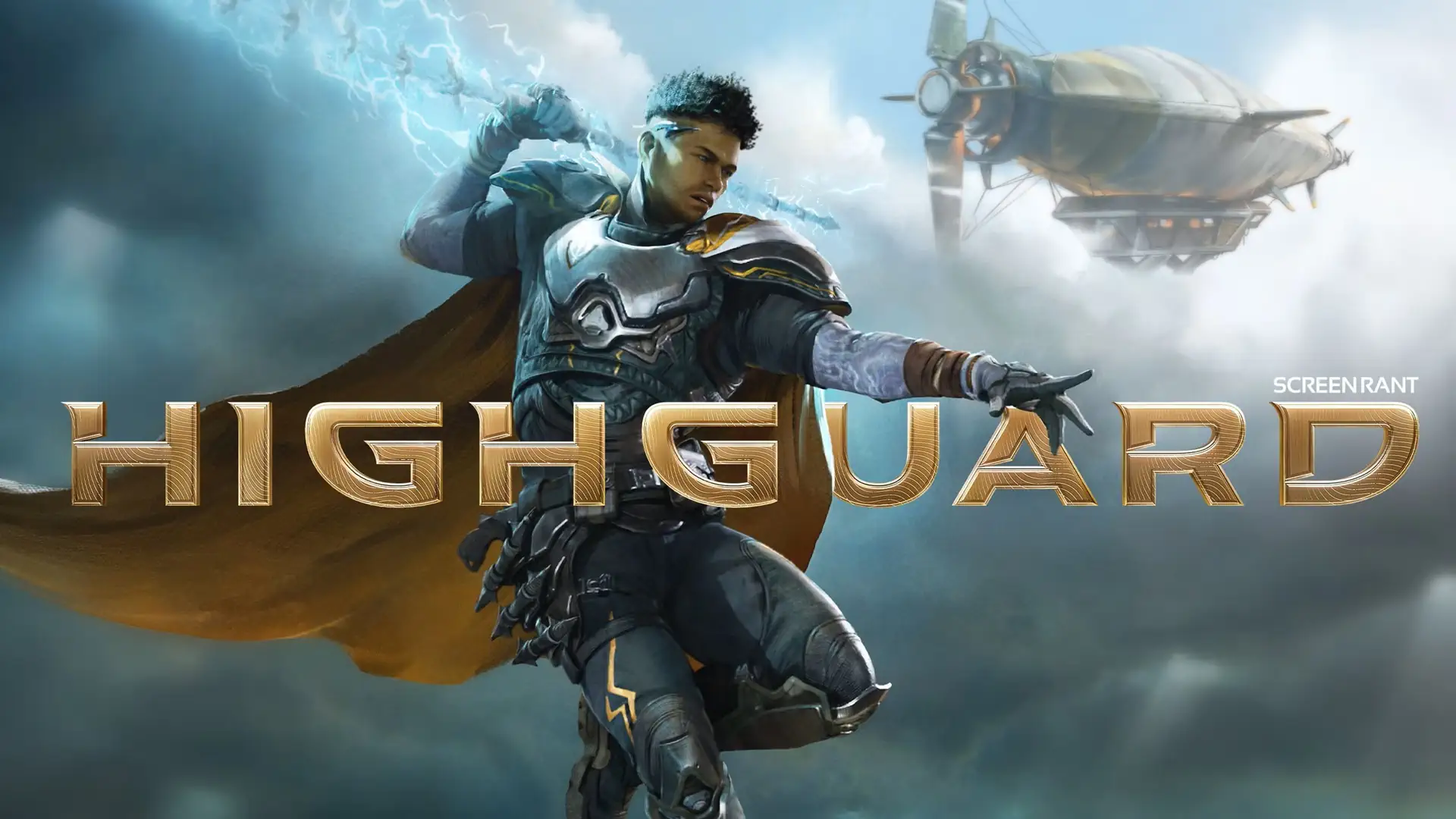

Sector Intelligence Report: Highguard – Week of February 12, 2026
Highguard is barely out of the dropship and it’s already fighting a war on two fronts: on the battlefield, it’s a sharp tactical experience winning over strategy diehards; behind the scenes, reports of major layoffs are raising existential questions about the game’s future. This week’s intelligence paints a stark contrast between a promising #indiegame and the brutal realities of modern #gamedev economics.
1. Strategic Foundations: A Tactical Masterpiece With Momentum
The official positioning around Highguard remains confident. Marketing transmissions describe it as a “tactical masterpiece” where “strategic brilliance meets immersive gameplay”, and that’s not just boilerplate. Early player chatter and footage suggest a title built around:
- Dynamic environments that demand adaptive planning rather than rote memorization.
- Intense, small-squad engagements that reward precision over spammy APM.
- Episode-based structure, giving the developers room to iterate on systems and storytelling in focused bursts.
This aligns with the current trend of smaller, tightly scoped tactical projects that iterate quickly rather than trying to ship a monolithic, everything-at-once RTS or tactics platform. For Highguard, that episodic DNA is now more than a design choice—it might be its best survival mechanism.
Watch: Transmitting Gameplay footage from the field: Highguard official tactical operations briefing
The official gameplay briefings (see above) showcase clean UI, readable combat flow, and strong battlefield clarity, all key for long-term retention in a crowded tactics market. From a pure design and systems perspective, Highguard looks like a project that understands its lane and is executing with discipline.
2. Episode 2: Tactical Chaos, or Last Big Push?
Just days before the layoff reports surfaced, Highguard Episode 2 was being framed as a major escalation: a “new wave of tactical chaos” with:
- Fresh encounter types that push players into riskier flanks and multi-angle engagements.
- Upgraded combat flow, hinting at tuning passes on pacing, cooldowns, and AI aggression.
- Expanded mission scenarios, suggesting the team was already looking at replayability and loadout experimentation.
Watch: Transmitting Gameplay footage from the field: Highguard Episode 2 front-line combat feed
From a development update perspective, Episode 2 is significant. It signals that:
- Core systems were stable enough to support layered content on top.
- The team was actively iterating based on early player behavior and data.
- The project had at least a short-term roadmap beyond launch, not a fire-and-forget release.
If Highguard survives this turbulence, Episode 2 may be remembered as the moment the game proved it could evolve—not just exist—as a living tactics platform.
3. Layoffs After Launch: Studio Risk, Player Uncertainty
The biggest shock in this week’s feed is the report that “most of the dev team has already been laid off only weeks after launch.” According to a designer on the project, Highguard’s creators were effectively pulled off the board just as players were settling into the early meta.
From a #gamedev standpoint, this is a brutal but increasingly familiar pattern:
- Ambitious scope vs. harsh market realities. Even a strong tactical core isn’t guaranteed runway.
- Short post-launch window. Studios are now making keep-or-kill decisions in weeks, not months.
- Support risk. Players immediately worry about bug fixes, balance passes, and long-term support—all crucial for a tactics title that lives or dies on fairness and clarity.
For Highguard, the implications are serious:
- Patch cadence may slow or stall. Critical fixes and Episode 2 tuning could be delayed.
- Roadmap opacity. Without a clear public development update, speculation will fill the vacuum.
- Community confidence hit. Strategy players invest time to master systems; they’re less likely to commit if they fear abandonment.
At the same time, “most of the team” doesn’t necessarily mean total shutdown. In many cases, a skeleton crew remains to:
- Keep servers and core infrastructure running.
- Ship essential hotfixes.
- Explore porting, licensing, or acquisition options that might give the game a second life.
4. Survival Scenarios: What’s Next for Highguard?
Highguard now sits in a precarious but not unprecedented position. Several possible trajectories emerge:
Scenario A: Quiet Maintenance Mode
A minimal team keeps the lights on while major new content slows to a crawl. The game becomes a cult tactics title with a stable but niche player base, relying on word-of-mouth and modest sales bumps during discounts.
Scenario B: Strategic Rescue or Pivot
If the tactical foundation is as strong as early footage suggests, Highguard could attract:
- A publishing partner willing to fund continued episodes.
- A smaller internal or external team tasked with live ops, balance, and targeted content drops.
In this scenario, clear communication is critical. A transparent development update outlining what’s realistic in the next 3–6 months could stabilize the community.
Scenario C: Slow Drift Into Abandonment
Without clear messaging or visible updates, the player narrative will default to “abandoned at launch.” For a systems-heavy #indiegame like Highguard, that perception alone can be fatal, even if some work continues behind the scenes.
5. Sector Outlook: Tactical Gem, Strategic Uncertainty
On the ground, Highguard still looks like the kind of focused, high-signal tactics experience that strategy fans crave—tight encounters, deliberate pacing, and a clear vision for episode-based evolution. But above the battlefield, the studio’s structural instability is now the dominant strategic risk.
For players, the current recommendation is cautious but curious: Highguard is worth watching—and possibly worth playing—if you understand the support risks. For developers, it’s another case study in how even well-conceived projects can be kneecapped by timing, funding, and post-launch expectations.
Until we see an official development update that clarifies staffing, roadmap, and Episode 2 support, Highguard will remain in a volatile state: a promising tactical platform caught in a corporate crossfire.
Sources and corrections
This archive entry does not have a verified article-source list. Images and video embeds alone are not evidence for every claim.
Found an error? Request a correction. Include the passage and a supporting source.