Automated archive / Hades II
Sector Intelligence: Hades II Cracks Console Firewalls and Jack-In to Xbox Game Pass Day One
Hades II just executed its largest deployment yet, breaching PS5, Xbox Series X|S, and Xbox Game Pass day one with a data-driven evolution of Supergiant’s roguelike formula. This week’s intel reveals how telemetry, platform strategy, and expanded systems are reshaping the underworld for a cross-platform era.
AI-generated summary. This archive article does not have a current recorded source check. Check linked sources before relying on details. Editorial policy
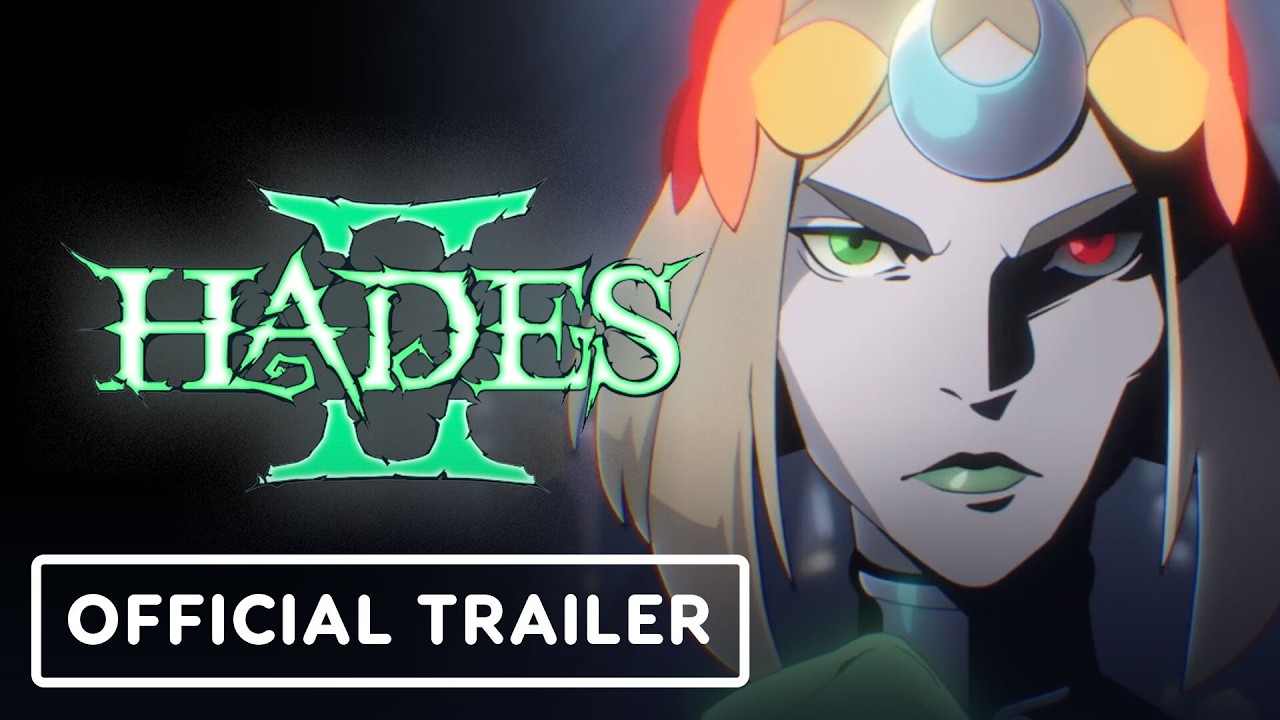
Sector Intelligence Report: Hades II Expands Its Theatre of War
Hades II just executed its widest deployment maneuver yet. After months of early-access lock-in on PC and a looming Nintendo Switch 2 presence, Supergiant has now confirmed a full-scale console breach: PlayStation 5, Xbox Series X|S, and a day-one insertion into Xbox Game Pass on April 14. For players, that’s frictionless access; for #gamedev watchers, it’s a clear signal that Supergiant is treating the sequel not as a niche #indiegame follow-up, but as a flagship cross-platform live operation.
This week’s activity feed paints a coherent picture: synchronized trailers, platform-holder spotlights, and messaging that leans heavily on “data,” “telemetry,” and “iteration.” That’s not just marketing poetry—it’s the studio telegraphing how deeply the original Hades’ run-level analytics are informing the design of hades ii.
Strategic Deployment: From PC Stronghold to Full Console Grid
The first major data point: Hades II is no longer a PC-first curiosity. The “Next-Gen Underworld Deployment” packet confirms a native PS5 and Xbox Series X|S release window, with platform marketing pushing “precision combat loops” and “data-rich failure cycles.” That’s code for one thing: Supergiant is confident its run-based structure scales cleanly to the living room, where session length, couch co-op habits, and controller ergonomics drive engagement.
The second packet—“Signal Break: Hades II Breaches PlayStation and Xbox Grids”—clarifies timing: the game is breaking out of its prior Nintendo Switch 2–leaning posture and going effectively platform-agnostic. For discovery, this is massive. The original Hades relied heavily on word-of-mouth and critical acclaim; hades ii is now being slotted directly into the console front page via first-party showcases and subscription platforms.
Game Pass Day One: Telemetry as a Design Weapon
Watch: Transmitting Gameplay footage from the field: Official Hades II Xbox Game Pass Announce
The most important move in this week’s intel is the confirmation that Hades II hits Xbox Game Pass day one. For a run-based roguelike, that’s a perfect pairing. Game Pass thrives on high-repeat, high-session games that players can dip into nightly, and Supergiant is explicitly talking about “refined combat telemetry tuned for high-repeat incursions.”
From a #gamedev perspective, that language matters. It suggests:
1. Data-Driven Pacing
The “Procedural Myth Engine Upgrade” report highlights that prior data from the original Hades is being used to optimize pacing, meta-progression, and narrative cadence. In practical terms, expect:
- Faster early-run ramp-up to get players into meaningful decision points sooner.
- More granular difficulty curves tuned to average failure points in Hades 1.
- Narrative beats distributed to minimize story drought during unlucky or short runs.
The Game Pass funnel will stress-test these assumptions at scale, providing a new wave of telemetry across a more diverse player base than PC early access alone.
2. Expanded Olympian and Underworld Systems
The feed calls out an “expanded Olympian roster” and “denser run-based loops.” That suggests Supergiant is pursuing horizontal complexity rather than just vertical stat inflation. For design, that likely means:
- More boon synergies per run, increasing combinatorial build variance.
- Additional resource sinks in the meta layer to keep long-term players engaged.
- New underworld biomes tuned to different playstyles (aggressive, defensive, control-heavy spellcraft).
This is consistent with the studio’s pattern: take the successful scaffolding of Hades, then deepen the decision space without bloating the runtime of a single run.
Console Optimization: Combat, Readability, and Session Design
“Next-Gen Underworld Deployment” and “Underworld Protocol” both emphasize “precision combat loops” and “tactical spellcraft.” That’s a subtle but important shift from the first game’s more weapon-forward framing.
For hades ii, Melinoë’s witchcraft and chrono-magic introduce additional layers of timing and spatial control. On console, that demands:
- Input clarity: clean, low-latency mapping of spell and dash inputs to controller layouts.
- Visual readability: clear telegraphs for chrono-effects and area denial in 4K/HDR living room setups.
- Session-friendly structure: runs that can be paused or safely suspended without losing the narrative thread, respecting console play patterns.
Supergiant’s track record suggests they’ll prioritize legibility and responsiveness over raw visual noise—crucial when the game is now pitched as a “real-time roguelike op” for a mass console audience.
Market Impact: From Cult Classic to Subscription System Seller
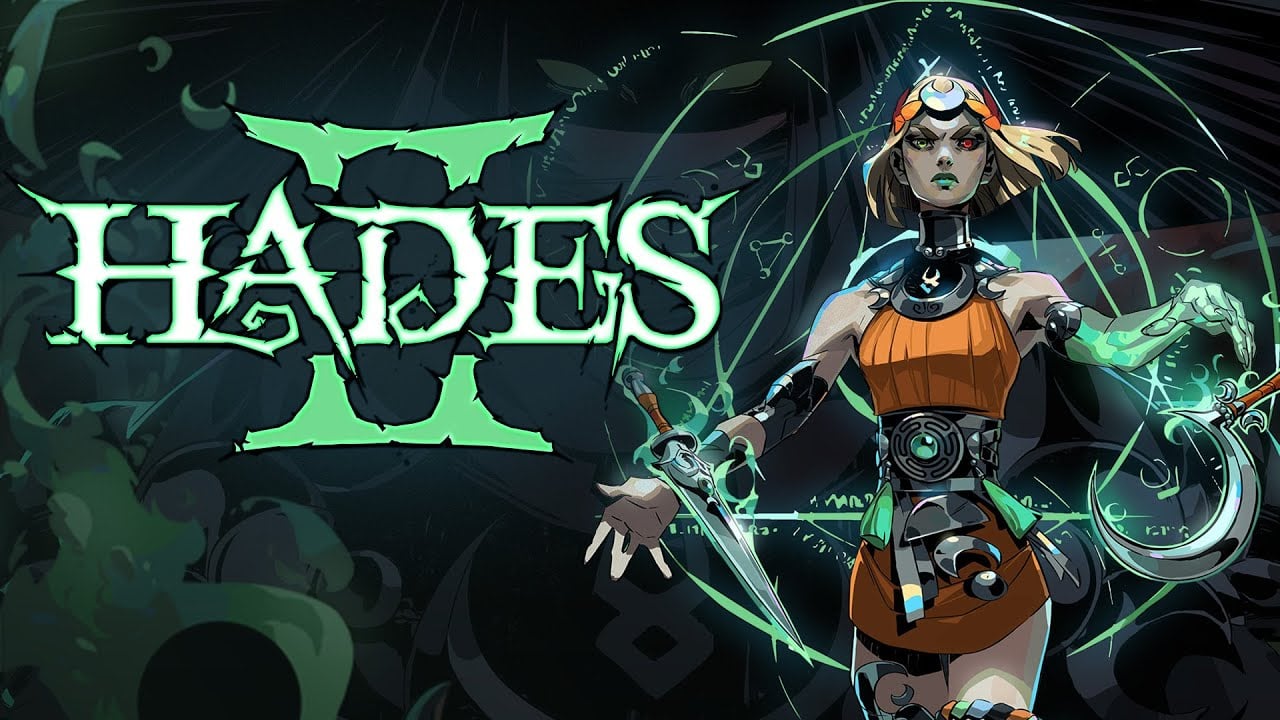
For the broader #indiegame sector, Hades II’s rollout is a case study in how a studio can scale up without abandoning its identity. Supergiant remains independent, but this week’s activity reveals a playbook that blends:
- Platform-holder alignment: Xbox Partner Preview placement and Game Pass integration.
- Staggered transparency: early access on PC for hardcore iteration, then a polished console wave.
- Data-first design messaging: openly talking about telemetry, pacing, and meta-progression as core tools, not afterthoughts.
If Hades turned a boutique roguelike into a mainstream reference point, hades ii is positioned to test whether an indie sequel can function as quasi–platform hardware bait—especially for subscription ecosystems hungry for prestige day-one content.
Sector Outlook: What to Watch Next
In the coming weeks, key indicators for the health of Hades II’s campaign will be:
- Engagement metrics on Game Pass: daily active users and retention over the first 30 days.
- Balance and content patches: how quickly Supergiant responds to run-level feedback and exploits.
- Cross-platform parity: whether PS5 and Xbox Series X|S builds maintain feature and performance parity with the continuously iterated PC version.
For players, the message is simple: the underworld is no longer a confined arena—it’s a cross-platform, telemetry-tuned battlefield. For developers, Hades II’s rollout is a live experiment in scaling an indie-born roguelike into a full-spectrum, data-driven ecosystem without losing the soul that made the original a landmark.
Sources and corrections
This archive entry does not have a verified article-source list. Images and video embeds alone are not evidence for every claim.
Found an error? Request a correction. Include the passage and a supporting source.
Your games, in one place
Keep up with Hades II
Follow this game to collect its posts in your personal feed. Come back to see what you missed.