Automated archive / GTFO
GTFO Sector Intelligence: 10 Chambers Co‑Founder Jacking Out, Future Direction Coming Into Focus
10 Chambers co-founder and narrative lead Hjalmar Vikström has exited after a decade, marking a pivotal shift in GTFO’s creative command structure. This week’s Sector Intelligence Report breaks down what his departure means for the game’s narrative DNA, live support, and the studio’s next-cycle ambitions.
AI-generated summary. This archive article does not have a current recorded source check. Check linked sources before relying on details. Editorial policy
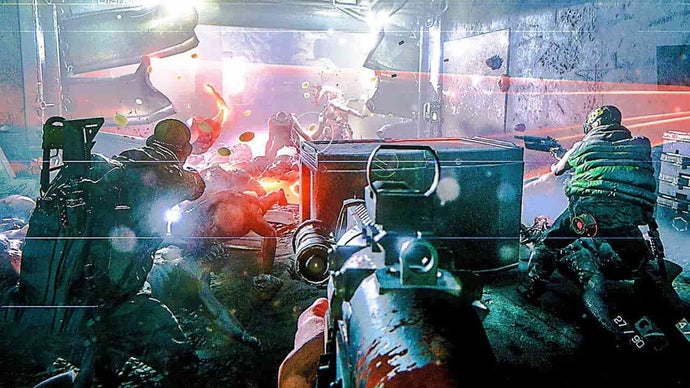
Sector Intelligence Report: GTFO – Leadership Shake-Up Inside the Complex
The last week in the GTFO sector has been defined by one high-impact event: 10 Chambers co-founder and narrative lead Hjalmar Vikström has exited the studio after a decade in the breach. For a project as tightly authored and deliberately punishing as GTFO, this isn’t just a staffing note—it’s a structural shift in how the game’s world, tone, and long-term direction may evolve.
From a #gamedev and #indiegame perspective, Vikström’s departure is a classic inflection point: the moment where a studio must prove whether its creative identity is bigger than any one architect.
What Hjalmar Vikström’s Exit Signals for GTFO
1. Narrative DNA Under Revision
Vikström wasn’t just a co-founder; he was deeply embedded as narrative lead, a critical role in a game that communicates most of its storytelling through atmosphere, environmental design, cryptic terminals, and the relentless tension of each raid. GTFO’s fiction—the Prisoners, the Warden, the Complex—has always been delivered with restraint and mystery.
With his exit, expect:
- Subtle tonal drift over time: not an immediate rewrite of the lore, but small shifts in how new expeditions frame objectives, logs, and in-world messaging.
- Potential experimentation with clarity vs. obscurity: a new narrative lead may push either toward more accessible storytelling or double down on the cryptic, puzzle-box approach that hardcore fans love.
For returning squads, this is the moment to pay close attention to future Rundowns, event text, and terminal logs—they’ll likely be the first places where new narrative fingerprints show up.
2. Studio Focus: GTFO’s Live Health vs. Next-Cycle Projects
The intercepted signal explicitly notes that 10 Chambers is “continuing to evolve GTFO’s intense, high-stakes raids and expanding the studio’s next-cycle projects.” That phrasing matters.
In practical development terms, this suggests:
- GTFO remains active, but not singular: resources are now split between supporting the existing live product and incubating what comes next.
- Systemic learnings from GTFO will be recycled: enemy AI behavior, squad coordination design, and tension pacing are all likely to be foundational tech and design pillars for the studio’s next title.
- Risk of slower visible updates: as more senior talent shifts to R&D and pre-production, players may see longer gaps between headline features, even if core maintenance stays steady.
For GTFO’s community, the key question is whether the game continues to receive meaningful, raid-defining content updates or transitions into a more conservative maintenance mode while the next project ramps.
Strategic Outlook: Risks and Opportunities for GTFO
Risk: Creative Fragmentation
When a founding narrative architect leaves an #indiegame studio, there’s always a risk of creative fragmentation:
- Competing internal visions for how “hardcore” GTFO should remain.
- Pressure to broaden appeal versus preserving its niche, high-friction identity.
- Potential tonal inconsistency across future content drops.
If 10 Chambers overcorrects—either by softening the experience to chase a wider audience or by pushing difficulty into pure attrition—the tight balance that made GTFO stand out in the co-op horror space could be disrupted.
Opportunity: Second-Wind Reinvention
On the upside, leadership shake-ups can unlock a second wind for a mature live title:
- Fresh narrative leadership can reframe the Warden–Prisoner relationship or introduce new factions, objectives, or meta-structure around raids.
- Design leadership, freed from early-project assumptions, can iterate on onboarding, progression, and late-game challenge curves without feeling bound to legacy decisions.
- The studio can use GTFO as a live testbed for systems that will power its next game—benefiting both current players and future projects.
This aligns with a broader #gamedev trend: late-cycle reinventions that extend a title’s lifespan while quietly prototyping the next IP.
What to Watch Next Week in the GTFO Sector
With only one major signal this week, the real intelligence lies in what 10 Chambers does next:
- Any official dev posts or blogs contextualizing Vikström’s exit.
- Hints about new leadership roles or restructuring around narrative and creative direction.
- Subtle changes in patch notes language, in-game event text, or social media tone that might indicate a shift in vision.
For now, GTFO remains what it has always been: a brutally coordinated, high-stakes co-op descent into the dark. The question for the weeks ahead is whether 10 Chambers chooses to stabilize, evolve, or transform that experience as it marches toward its next project.
In the meantime, squads should treat this as a meta-lore moment: the architects of the Complex are changing, and the shape of future expeditions may change with them.
Sources and corrections
This archive entry does not have a verified article-source list. Images and video embeds alone are not evidence for every claim.
Found an error? Request a correction. Include the passage and a supporting source.