Automated archive / God of War: Sons of Sparta
How God of War: Sons of Sparta Turns Retro Brutality into a Precision Weapon
God of War: Sons of Sparta isn’t a throwaway retro spin‑off—it’s a controlled experiment in compressing modern God of War brutality into a 2D action platformer. This week’s intel breaks down how Santa Monica Studio and Mega Cat Studios weaponize combat, audio, and retro design discipline to extend Kratos’ legacy.
AI-generated summary. This archive article does not have a current recorded source check. Check linked sources before relying on details. Editorial policy
Strategic Overview: A Retro-Classified God of War Operation
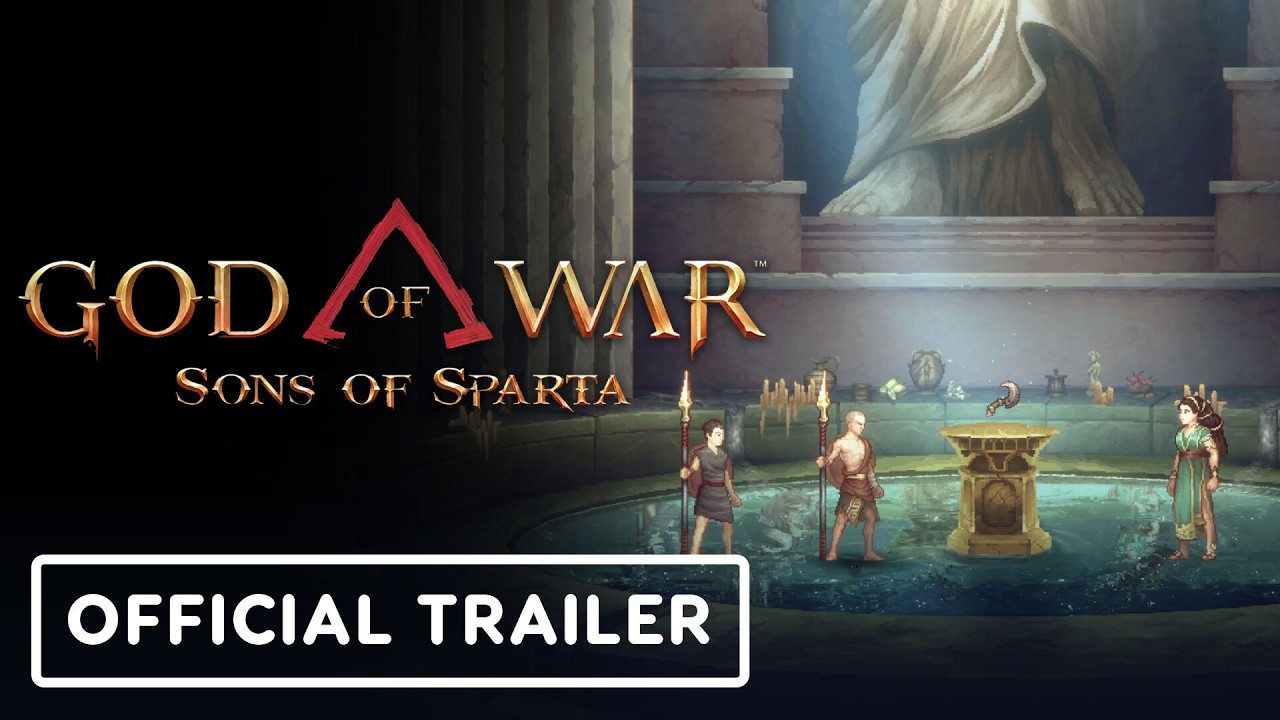
God of War: Sons of Sparta has fully breached PlayStation 5 as a 2D action platformer, and this week’s intel confirms it’s more than a novelty spin‑off. Co‑developed with Mega Cat Studios under Santa Monica Studio oversight, the project is effectively a controlled experiment in compressing modern God of War combat philosophy into a retro, side‑scrolling kill‑box. For #gamedev watchers, this is a live case study in franchise miniaturization: keeping the emotional payload of Kratos’ legacy while swapping cinematic muscle for frame‑tight mechanical design.
From the latest operational debriefs, Sons of Sparta positions itself as a prequel‑grade origin platform: a pixel‑forged battlefield where Kratos’ earliest campaigns are reconstructed with stripped‑down clarity. The result is a combat loop tuned for speedrunners, combo theorists, and systems analysts who want to see how the God of War formula behaves under 2D constraints.
Combat Systems: Brutality in Two Dimensions
The field review intel paints a clear picture: Sons of Sparta is mechanically brutal, emotionally calibrated, and structurally optimized for franchise continuity. The move set borrows the DNA of classic God of War—aggressive gap‑closing, crowd control, and high‑risk, high‑reward finishers—but recontextualizes everything into lane‑based encounters and pattern‑driven bosses.
Key takeaways from the combat debrief:
- Frame-precise engagements: Attacks, cancels, and aerial control are tuned for readability, not spectacle. This shifts the power from cinematic QTEs to pure execution.
- Pattern-driven bosses: Multi‑phase encounters rely on telegraphed patterns and terrain exploitation, echoing cartridge‑era design while still feeling modern in pacing.
- Legacy handoff: The game’s systems act as a mechanical bridge between PS2/PS3‑era rage and the measured brutality of the Norse saga, making Sons of Sparta feel like a missing link in the combat lineage of god of war: sons of sparta.
For developers, the interesting bit is how animation timing and hit-stop are used as communication tools. With fewer visual effects to hide behind, Santa Monica and Mega Cat lean on clean silhouettes, exaggerated wind‑ups, and sharp impact pauses to sell weight.
Exploration Protocols: Terrain as a Resource
A newly released exploration tips trailer reframes traversal as a survival protocol rather than filler. The guidance is explicit: environmental awareness, vertical mobility, and opportunistic looting are non‑negotiable if you want to maintain combat readiness between engagements.
The level design philosophy can be read as follows:
- Hostile mythic zones: Each area is structured as a loop of risk/reward routes—short, brutal corridors balanced against more resource‑rich detours.
- Verticality in 2D: Ladders, platforms, and drop‑through layers create micro‑arenas, allowing designers to script ambushes and multi‑lane threats without losing clarity.
- Resource discipline: Health and upgrade resources are placed to reinforce smart routing. Waste time or misread the map, and you enter boss zones under‑equipped.
This is classic retro design, but filtered through contemporary readability and accessibility standards. It’s a useful reference point for #indiegame teams looking to balance old‑school difficulty with modern player expectations.
Audio Warfare: The Symphony of Sparta Initiative
The Symphony of Sparta behind‑the‑scenes transmission shows Santa Monica Studio treating audio as a frontline weapon. Orchestral scoring, choral strikes, and percussive impacts are all calibrated to reinforce both narrative brutality and player flow.
Operationally, the audio stack does three things:
- Rhythmic combat scaffolding – Drum patterns subtly sync with enemy attack cadences, giving players subconscious timing cues.
- Emotional telemetry – Choir swells and string dissonance spike at key narrative beats, compensating for the lower visual fidelity with a high‑resolution emotional layer.
- Impact verification – Every hit, parry, and execution carries a distinct sonic signature, making damage states legible even in chaotic pixel clusters.
For #gamedev audio teams, Sons of Sparta is a reminder that retro visuals don’t justify retro sound. The game leverages modern production values to ensure that, even when the screen is dense with pixels, the ear keeps the player oriented.
From Past to Pixel: Controlled Evolution of a Spartan Platform
The From Past to Pixel dev diary is the clearest articulation yet of the project’s design thesis. Santa Monica Studio dissects Kratos’ historical rage—from PS2’s raw aggression to PS4’s introspective brutality—and remaps it into a new visual and mechanical stack.
Highlights from the pipeline breakdown:
- Narrative lineage mapping – The team charts emotional continuity between father and son arcs, even in a prequel context, ensuring Sons of Sparta doesn’t feel like a disconnected side story.
- Animation systems under constraint – Fewer frames per move, but each frame is more purposeful. Anticipation, impact, and recovery are exaggerated to remain readable at speed.
- Combat logic preservation – Stagger states, crowd management tools, and risk‑reward windows are all preserved, just re‑expressed through 2D hitboxes and tile‑based arenas.
Crucially, this isn’t a remaster—it’s a controlled evolution of a Spartan weapons platform. The team treats the God of War formula like a system spec, then asks: what does this look like if you strip away cinematic excess and leave only the core behaviors?
Mega Cat Doctrine: Retro Discipline Under a AAA Banner
The collaboration with Mega Cat Studios is more than a branding exercise. Their retro design doctrine—shaped by cartridge‑era constraints—anchors the project. The studio’s very codename, “Mega Cat,” is a nod to that heritage, and it shows in Sons of Sparta’s priorities:
- Tight feedback loops over spectacle.
- Clear enemy patterning over visual overload.
- Mechanical mastery as the primary reward structure.
For smaller teams, this partnership is a blueprint: a #indiegame studio can operate inside a major franchise if it brings a strong, disciplined design identity and a willingness to honor established narrative and systemic DNA.
State of Sparta: Community and Command Signals
The Official PlayStation Podcast: State of Sparta episode functions as a meta‑briefing, contextualizing Sons of Sparta within Sony’s broader portfolio and State of Play announcements. The messaging is consistent: this isn’t a throwaway experiment; it’s a strategic extension of the God of War universe into a new format.
For the ecosystem, that means:
- A new on‑ramp for players who missed earlier eras of Kratos.
- A testbed for mechanical ideas that may feed back into future mainline entries.
- A signal that legacy franchises can explore alternative formats without diluting brand identity.
Sector Outlook: Why Sons of Sparta Matters
From a sector intelligence standpoint, God of War: Sons of Sparta is a noteworthy inflection point. It demonstrates how a flagship AAA IP can:
- Safely prototype in a retro shell.
- Lean on specialized partners without losing narrative authority.
- Use audio, animation, and level design discipline to maintain emotional fidelity even when the resolution drops.
For developers tracking the future of trans‑format franchise design, Sons of Sparta is required study. The experiment is live, the data is flowing, and the Spartan platform just found a new, pixel‑sharpened edge.
Sources and corrections
This archive entry does not have a verified article-source list. Images and video embeds alone are not evidence for every claim.
Found an error? Request a correction. Include the passage and a supporting source.
Your games, in one place
Keep up with God of War: Sons of Sparta
Follow this game to collect its posts in your personal feed. Come back to see what you missed.