Automated archive / God of War Laufey
God of War Laufey Rewrites the Franchise Combat Script
Sony Santa Monica has just turned Faye from mythic memory into a fully playable combat platform in God of War Laufey, reshaping the series’ core systems in the process. This week’s intel shows a deliberate pivot toward high-mobility rune combat, cinematic performance pipelines, and a strategic PS5 rollout designed...
AI-generated summary. This archive article does not have a current recorded source check. Check linked sources before relying on details. Editorial policy
Sector Snapshot: Faye Steps Out of the Myth and Into the Engine
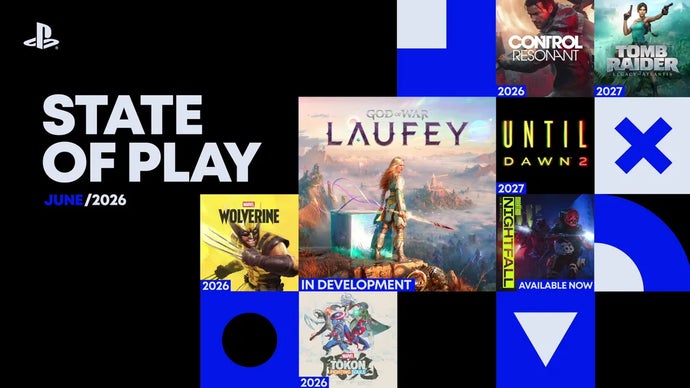
Sony Santa Monica just redeployed the God of War franchise under a new callsign: god of war laufey. After years of treating Faye as a narrative ghost, the State of Play 2026 broadcast confirms a full-scale pivot—Laufey is now the primary playable asset, operating inside a metaphysical post-mortem theatre where death is simply the opening cinematic. For #gamedev teams watching platform priorities, this is a textbook case of a flagship series retooling its core loop without abandoning its cinematic DNA.
The last seven days of telemetry paint a clear picture: this is not DLC, not a side story, and not an experiment. It’s a systems-level redeployment of combat, casting, and narrative pipelines built specifically for PS5, with a clear intent to occupy the high-skill, high-fidelity action slot in Sony’s calendar while dodging GTA-aligned release pressure.
Combat Intelligence: High-Mobility Runeplay Over Brute Force
Field logs from the State of Play reveal a deliberate tactical shift:
1. Freya/Laufey as a Precision Caster-Fighter Hybrid
The Operational Brief entries emphasize Laufey’s toolkit as an agile, spell-forward combatant. Instead of Kratos’ weighty, commitment-heavy swings, we see:
- High-mobility spellcasting with rapid repositioning, suggesting animation sets tuned around invincibility frames and tight dodge windows.
- Precision bow work that looks closer to a ranged stance than a situational tool—expect build diversity around projectile runes and status effects.
- Magical constructs acting as battlefield extensions, hinting at AI companions or deployables that can anchor enemies, create safe zones, or set up combo routes.
For #gamedev combat designers, this reads like a conscious inversion of the Kratos power fantasy: same camera language, but rebuilt timing, spacing, and risk profiles.
2. Encounter Design: Tactical Mastery as the Default Setting
Multiple intel fragments call out “densely scripted arenas”, environmental manipulation, and timing-based counters. That implies:
- Encounters structured around stateful arenas—hazards, elevation, and destructible cover that reward spatial awareness.
- Counter windows tuned to encourage learning enemy patterns instead of pure stat scaling.
- Crowd-control options that appear precision-based, not spam-based, supporting a high-skill ceiling.
The phrase “this isn’t side content; it’s a full redeployment of the franchise’s core combat loop” is telling. Internally, that means new animation trees, retuned input buffering, and potentially a bespoke difficulty curve calibrated for Laufey’s more fragile, caster-oriented profile.
Narrative & Performance Pipeline: Building a Playable Legend Retroactively
The “Deconstructing Divinity” activity feed entry gives a rare look at how Santa Monica is aligning story and systems. The studio walks through VO booths, mocap stages, and chemistry tests, emphasizing:
- Emotional load as a design constraint: Faye’s established legacy in the 2018 and Ragnarök entries means every line and gesture has to retroactively sync with known canon.
- Physical performance fused with combat design: The same performers driving dramatic scenes are clearly feeding into the combat animation set, tightening the gap between cutscene and gameplay.
- A “cinematic combat narrative pipeline” where grief, myth continuity, and motion data are iterated together, not in silos.
From a production standpoint, this is a case study in retroactive protagonist elevation. The team is effectively backfilling a character arc that players already think they understand, while using PS5 hardware to sell the illusion that this was always the plan.
Platform Strategy: State of Play as Strategic Battlefield
The broader State of Play 2026 package frames god of war laufey alongside Marvel’s Wolverine and other first-party heavy hitters. The activity feed flags several strategic beats:
- Sony is frontlining internal studios—Insomniac and Santa Monica—while keeping many launch dates redacted, a clear move to avoid direct conflict with the next GTA cycle.
- Laufey’s reveal arrives with 20 minutes of raw gameplay, not just a teaser. That signals confidence in the build’s stability and visual maturity.
- The messaging repeatedly reinforces that this is a full operation, not an experimental spin-off, anchoring PS5’s prestige portfolio for another cycle.
For #indiegame developers tracking the macro landscape, the takeaway is simple: Sony is doubling down on prestige, authored action experiences while leaving space in the calendar where mid-budget and independent titles can breathe.
Technical Read: Visual Fidelity as Feedback System
The initial Mythic Systems Test log calls out “visual fidelity and hit feedback read like a next-gen physics lab demo.” That’s more than marketing language—it suggests:
- Heavy reliance on per-pixel effects, particle-rich rune spells, and material-based rendering to differentiate enemy states.
- Hit-stop, camera shake, and reactive animation tuned as primary feedback channels, not just visual garnish.
- A likely focus on 4K cinematic clarity with aggressive temporal reconstruction, enabling dense FX without sacrificing readability.
For combat-heavy titles, especially in the #gamedev space, Laufey’s presentation underscores how AAA is treating visual polish as a legibility tool—clarifying frame advantage, damage types, and crowd-control states through FX language.
Strategic Outlook: What to Track Next
God of War Laufey currently reads as a high-budget thesis on how to rotate protagonists without fragmenting a franchise. Key watchpoints for the next intel cycle:
- Skill curve transparency: Will Santa Monica surface frame data, difficulty modifiers, or accessibility options that support more technical play?
- Buildcraft depth: Rune customization, bow specializations, and construct behaviors will determine whether the combat loop supports long-term mastery.
- Release window placement: Expect Sony to finalize a date once the GTA calendar clarifies; Laufey is positioned to be a tentpole, not a filler.
For now, the tactical order is clear: wishlist, monitor follow-up combat breakdowns, and treat god of war laufey as a living case study in high-risk, high-reward franchise evolution.
Sources and corrections
This archive entry does not have a verified article-source list. Images and video embeds alone are not evidence for every claim.
Found an error? Request a correction. Include the passage and a supporting source.
Your games, in one place
Keep up with God of War Laufey
Follow this game to collect its posts in your personal feed. Come back to see what you missed.
More to read about God of War Laufey
- Source-checked briefGod of War Laufey pre-orders begin September 29
God of War Laufey is scheduled to launch for PS5 on February 16, 2027. PlayStation says pre-orders open September 29 at 10:00am local time, with a pre-launch cosmetic bonus that unlocks through...