Automated archive / Gachiakuta: The Game
Gachiakuta: The Game Locks In a Three‑Weapon Combat Identity
Gachiakuta: The Game’s latest combat briefings lock in a three-weapon identity across Rudo, Enjin, and Zanka, emphasizing vertical arenas, parry-driven defense, and environmental finishers. This week’s intel paints a clear picture of a systems-first, trash-scape brawler that’s rapidly maturing beyond its manga origins.
AI-generated summary. This archive article does not have a current recorded source check. Check linked sources before relying on details. Editorial policy
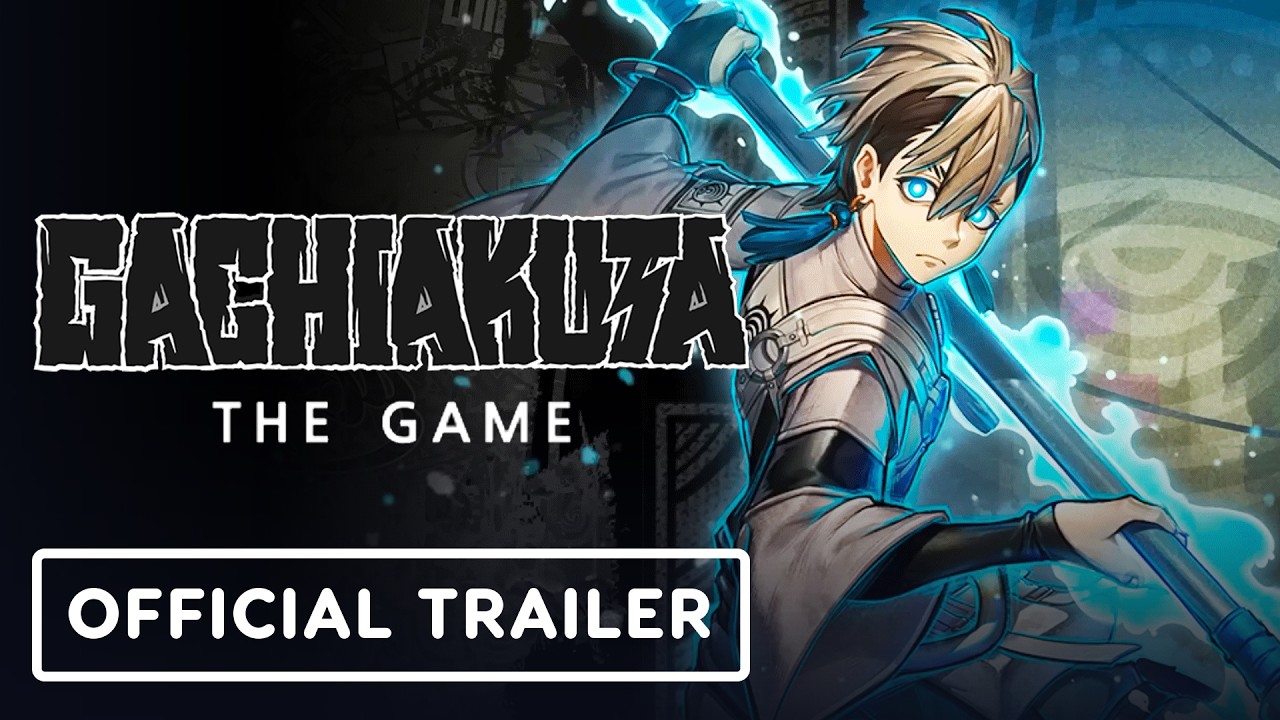
Sector Intelligence Report // Week of March 30
Gachiakuta: The Game is coming into sharper tactical focus this week, with three dedicated combat briefings outlining how Rudo, Enjin, and Zanka will carve out distinct roles in a dense, vertical trash-scape. For #gamedev and #indiegame teams tracking combat design in character-driven brawlers, this is the clearest look yet at how the adaptation is evolving from manga page to fully interactive, 3D brawler ops.
The latest activity stream points to a consistent design thesis: high-mobility melee, air-focused combo routing, and environmental exploitation inside stacked slum structures. Each new trailer is less about raw spectacle and more about clarifying the systems layer behind Gachiakuta: The Game’s combat loop.
Rudo-Class Anomaly: Chain Mobility as Core System
Field intel on the Rudo combat trailer flags a vertical, urban-waste battlespace where chain-based traversal is not a gimmick, but a primary movement and engagement tool. Rudo-class combatants anchor the game’s identity around three pillars:
- Chain Mobility & Grapple Routing – Rudo’s chains appear to double as both movement and offensive tools, enabling swing arcs between structures, mid-air repositioning, and potential enemy pulls. This suggests a combat grammar where spacing is managed in three dimensions rather than just horizontal footsies.
- Close-Quarters Engagements – The report highlights “high-impact finishers” and “precision dodging,” implying a risk-forward playstyle that rewards tight timing and reads over passive turtling.
- Vertical Arena Utilization – Stacked slum structures and trash-born hostiles indicate that environmental awareness will be critical. Expect encounter design that punishes players who stay grounded too long.
From a #gamedev perspective, Rudo looks like the baseline test case for how the studio is balancing camera framing, read clarity, and enemy telegraphs in a chaotic, vertical arena.
Watch: Transmitting Gameplay footage from the field: Enjin Combat Systems Trailer
Enjin Combat Systems: Rushdown, Parries, and Counter Windows
The Enjin combat briefing pivots from raw mobility to timing-critical dueling. Enjin-based entities are described as running “aggressive rushdown patterns” with explicit “parry windows” and “timing-critical counters.” Key takeaways:
- Rushdown AI Behavior – Enemies that close distance fast and force decisions will pressure players into mastering defensive mechanics rather than relying solely on dodge-spam.
- Parry-Driven Risk/Reward – Mention of parry windows signals a layered defensive meta: block, evade, or parry for maximum frame advantage and potential counter-combos.
- Environment-Assisted Finishers – The report cites “environment-assisted finishers,” hinting at contextual takedowns that leverage the trash-scape—throws into hazards, wall-bounces, or vertical ring-outs.
For designers, this suggests Gachiakuta: The Game is leaning into expressive combat states: players aren’t just mashing through mobs; they’re engaging in timing puzzles that can be tuned for difficulty, accessibility, and spectacle.
Zanka Deployment: Pressure Control and Spectacle Juggles
The Zanka combat transmission positions this character as a pressure specialist, emphasizing “aggressive rushdowns, aerial juggles, and hard-hitting finishers tuned for spectacle and pressure control.” Combined with the ink-heavy visual FX, the Zanka kit appears to prioritize:
- Combo Stability in 3D Space – Aerial juggles in fully 3D arenas are non-trivial; maintaining camera coherence and hit-confirm clarity is a core #gamedev challenge. The report suggests the team is solving this with bold, ink-style impact FX for strong hit feedback.
- Momentum-Based Offense – Zanka’s toolkit seems designed to keep opponents locked in disadvantage, rewarding players who can maintain tempo without dropping routes.
- Readability in Chaos – “High read clarity even in chaos” is a subtle but important line. With multiple enemies, vertical layers, and heavy FX, the studio is clearly prioritizing silhouette, hit-stop, and VFX language to avoid visual noise.
Watch: Transmitting Gameplay footage from the field: Official Zanka Combat Trailer
Systems-Level Takeaways for Developers
Beyond the character spotlights, the week’s intelligence points to several broader design patterns that #indiegame and #gamedev teams should note:
1. Verticality as a First-Class Mechanic
Gachiakuta: The Game isn’t treating vertical arenas as a backdrop; chain mobility, aerial juggles, and stacked slum layouts indicate that Z-axis play is central to the combat loop. This has implications for camera logic, enemy pathfinding, and level collision design.
2. Defensive Depth Over Evasion-Only Play
With explicit mentions of parries, counters, and precision dodging, the combat model leans into multi-layered defense. This opens room for difficulty tuning (parry leniency, counter window scaling) and accessibility options without dismantling the core system.
3. Visual Language as a Combat Tool
The gritty-urban, ink-heavy aesthetic isn’t just style. It’s doing work: enhancing hit detection readability, differentiating threat types, and maintaining clarity during high FX density. For teams adapting stylized manga or comic IPs, Gachiakuta: The Game is shaping up as a reference point in how to translate 2D ink energy into legible 3D action.
Outlook: From Manga Panels to Combat-Ready Vertical Brawler
This week’s transmissions confirm that Gachiakuta: The Game is not simply a narrative adaptation—it’s positioning itself as a combat-forward, vertical brawler with three distinct playstyle anchors in Rudo, Enjin, and Zanka. The focus on mobility, parry-based defense, and environmental finishers signals a project that understands the expectations of modern action players while still leaning into the raw, trash-scape grit of the source material.
As more field intel arrives, the key watchpoints for developers and players alike will be: how well the team balances difficulty around parries, how readable combat remains in full-party chaos, and whether vertical stage design continues to push beyond simple multi-level arenas.
For now, Gachiakuta: The Game’s latest combat briefings mark a confident step toward a fully realized, systems-driven adaptation that’s worth close observation from anyone serious about action game design.
Sources and corrections
This archive entry does not have a verified article-source list. Images and video embeds alone are not evidence for every claim.
Found an error? Request a correction. Include the passage and a supporting source.
Your games, in one place
Keep up with Gachiakuta: The Game
Follow this game to collect its posts in your personal feed. Come back to see what you missed.