Automated archive / Forza Horizon 6
Forza Horizon 6 Breaches Tokyo With High-Speed Systems to Exploit
Forza Horizon 6’s first week in Tokyo is already rewriting the meta, turning Speed Skills into a precision telemetry engine for XP, Credits, and car mastery. Behind the neon, Playground and Xbox are quietly wiring a live-service racer built on data, exploits, and long-term engagement.
AI-generated summary. This archive article does not have a current recorded source check. Check linked sources before relying on details. Editorial policy
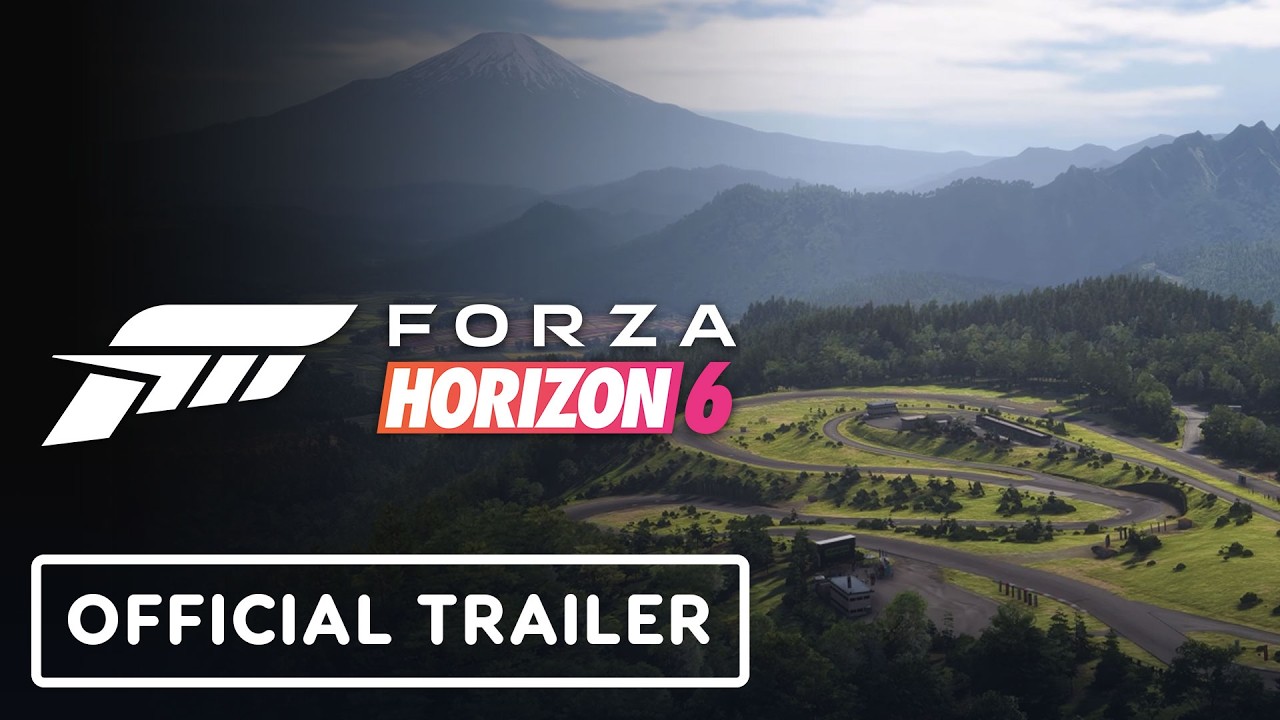
Horizon Tokyo Comes Online
Forza Horizon 6 has dropped the festival right into Tokyo’s steel canyons, and the first week of live telemetry paints a clear picture: this is a systems-first Horizon, not just a new map. Dynamic night racing, dense urban traffic and long expressway straights are converging into a live test bed for precision driving, progression exploits, and player-made economies.
The activity feed over the last seven days shows three converging signals:
- Speed skills are being weaponized as a primary XP and Credit engine.
- Tokyo’s layout is dictating meta routes for farming and high-skill play.
- Backend traces in the Xbox app hint at how Microsoft and Playground are structuring Horizon 6 as a long-tail live service product.
For #gamedev teams and #indiegame designers watching from the sidelines, Forza Horizon 6 is rapidly turning into a case study in how to merge open-world city design, telemetry-driven progression, and soft-launch style rollout.
Speed Protocols Decrypted: The New Progression Meta
The community’s early obsession is clear: Speed Skills. Horizon 6 reframes classic Horizon stunts—Speed, Near Miss, Drafting, high-speed records—as a precision telemetry test rather than casual flair.
Players are:
- Chaining Speed, Near Miss, and Drafting skills on long, high-traffic straights.
- Treating skills as programmable events, not random bonuses—triggered on command.
- Stacking multipliers like a system exploit, turning raw driving skill into optimized XP, Credits, and car mastery income.
From a design perspective, this is smart:
- Risk–reward is tightly tuned. Dense traffic plus high-speed requirements force focus and create natural failure states.
- Telemetry is king. Every Near Miss and Draft is a clean data point on player behavior, line choice, and reaction under pressure.
- Buildcraft matters. Tuned cars aren’t just faster; they’re skill generators, tuned for stability at high speed and controllable slip angles for safe Near Miss windows.
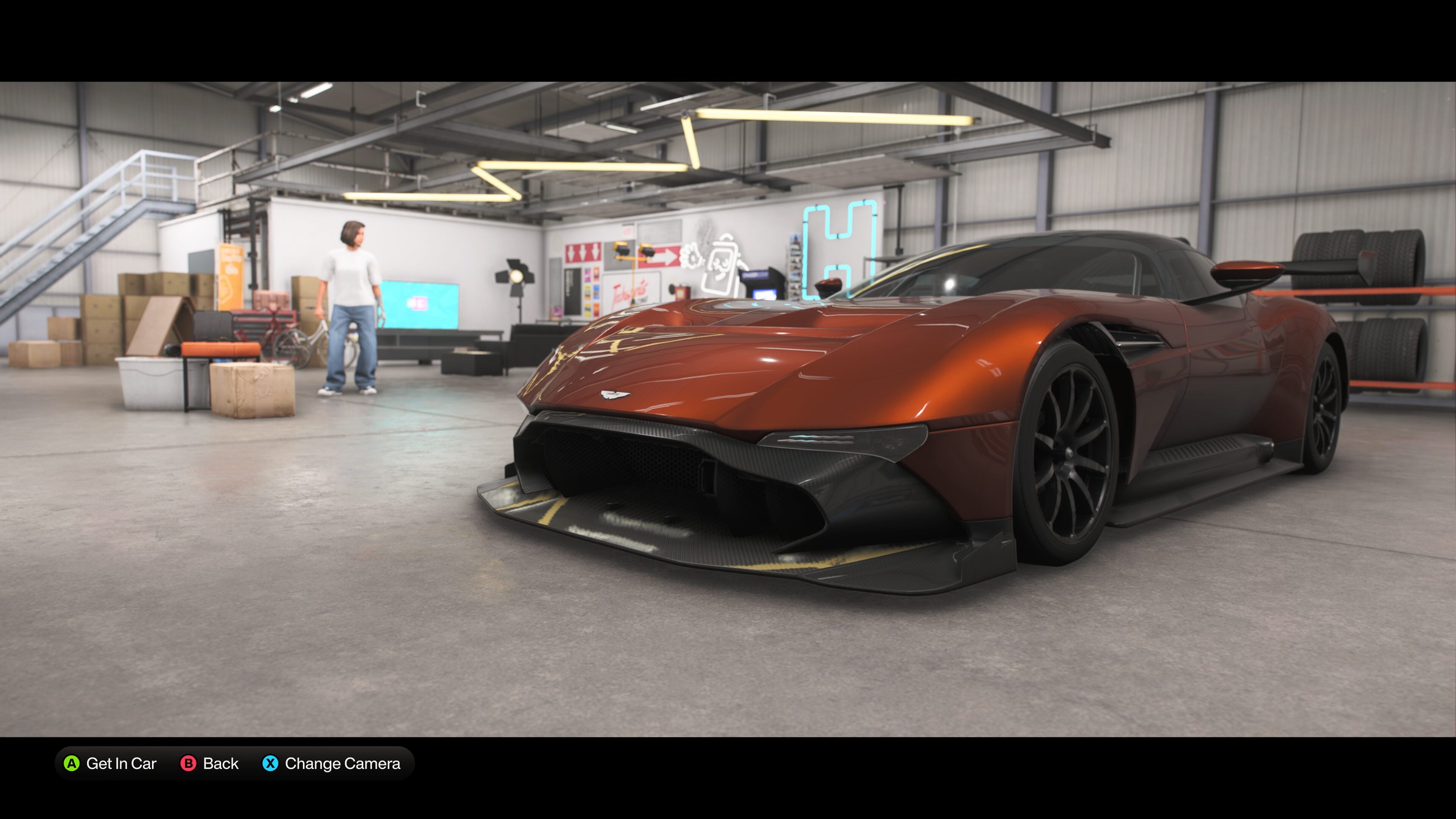
For designers, Horizon 6 is demonstrating how to turn a basic scoring system into a core progression loop. The message to other open-world racers—and even non-racing #indiegame projects—is blunt: if your score system isn’t feeding the meta, players will ignore it.
Tokyo’s Steel Canyons: World Design as a Farming Engine
The second major signal: Tokyo itself is a progression tool. The activity feed calls out “long straights, dense traffic, and tuned builds” as the holy trinity for optimization.
Tokyo’s urban fabric is doing heavy lifting here:
- Expressways and ring roads provide the "long straights" needed to sustain chained Speed Skills.
- Neon-drenched downtown grids funnel players into high-density traffic zones where Near Miss and Drafting chains thrive.
- Dynamic night cycles amplify the fantasy and the challenge—reduced visibility, higher perceived speed, and more dramatic feedback loops.
From a #gamedev standpoint, this is world design built around telemetry and repeatability:
- Key routes double as organic tutorials in advanced driving—players learn optimal racing lines because the XP system silently rewards them.
- Tokyo’s verticality and tight corridors create micro-biomes of difficulty: safe farm routes vs. high-risk, high-reward downtown chaos.
- The city feels like a living megacity grid, but under the hood it’s a carefully tuned XP circuit.
For open-world designers, Horizon 6 is quietly arguing that your map shouldn’t just be scenic—it should be exploit-friendly in a way that feels intentional, not broken.
Backend Echoes: Xbox App Traces and Live-Service Intent
Watch: Transmitting Gameplay footage from the field: Official Horizon 6 systems briefing
The third data packet is subtle but important: Forza Horizon 6 signals spotted in the Xbox app—UX breadcrumbs, backend IDs, and naming schemes lighting up like heat signatures.
This kind of early backend presence usually implies:
- Deep integration with Xbox services (Game Pass surfacing, cloud saves, cross-device play).
- A live-service posture where content pipelines, telemetry dashboards, and event systems are wired in from day one.
- A soft, data-driven ramp-up, where Microsoft watches engagement, retention, and monetization metrics before scaling major beats.
For Horizon 6, that means the Tokyo launch isn’t just a content drop; it’s the first major node in a multi-year roadmap. Expect:
- Rotating city events keyed to time-of-day and traffic density.
- Seasonal or festival-style updates that reroute the skill meta.
- Backend experiments with rewards, drop rates, and event cadence based on how players are currently exploiting Speed Skills.
This is where Forza becomes a textbook for service-based racing games: the telemetry that powers Speed Skills also powers business decisions.
Strategic Takeaways for Developers
For studios tracking Forza Horizon 6 as competitive intel or design inspiration, this week’s signals resolve into a few clear lessons:
1. Turn Skills Into Systems, Not Side Dishes
Horizon 6’s Speed Skills show how to elevate what looks like a side mechanic into a primary progression driver. If you’re building a racer—or any action-heavy #indiegame—ask:
- Does your skill system meaningfully feed XP, currency, or unlocks?
- Can players intentionally farm it through mastery, not just grind?
2. Design Maps Around Exploits You Approve Of
Tokyo is engineered so the “exploits” are actually endorsed mastery paths. Long straights, dense traffic, and clean sightlines are not accidents; they’re designed farming lanes.
3. Treat Backend Signals as Part of the Launch Story
The Xbox app traces remind us: a modern AAA racer is as much infrastructure as it is content. Forza Horizon 6 is telegraphing that the real horizon isn’t just Tokyo—it’s the live pipeline behind it.
Sector Outlook: Horizon 6 as a Live Telemetry Playground
With Tokyo now live and the community already decrypting Speed Protocols, Forza Horizon 6 is positioning itself as a live telemetry playground—for players chasing XP, and for Microsoft and Playground chasing data.
As the festival digs deeper into Japan’s megacity sprawl, expect the meta to evolve from simple straight-line farms into route-crafting, event-optimizing, build-specializing playstyles. And for anyone in #gamedev watching from the control room, Horizon 6 is rapidly becoming required viewing on how to fuse city design, progression systems, and backend intelligence into a single, high-speed loop.
Sources and corrections
This archive entry does not have a verified article-source list. Images and video embeds alone are not evidence for every claim.
Found an error? Request a correction. Include the passage and a supporting source.
Your games, in one place
Keep up with Forza Horizon 6
Follow this game to collect its posts in your personal feed. Come back to see what you missed.
More to read about Forza Horizon 6
- Source-checked briefForza Horizon 6 adds limited-time 7-Eleven content
Forza Horizon 6’s limited-time Horizon Meets update adds a 7-Eleven-inspired storefront and themed Car Meet in the Nangan region. The update also includes themed customization items and an Autumn...