Automated archive / Forza Horizon 6
Forza Horizon 6 Breaches Tokyo and Turns Speed Skills into a Telemetry Arms Race
Forza Horizon 6’s Tokyo deployment is already reshaping how players treat open-world racers, turning neon streets into high-yield telemetry farms for speed skills. Behind the spectacle, the game is a live case study in progression design, UX signaling, and how to weaponize your world layout for mastery-driven play.
AI-generated summary. This archive article does not have a current recorded source check. Check linked sources before relying on details. Editorial policy
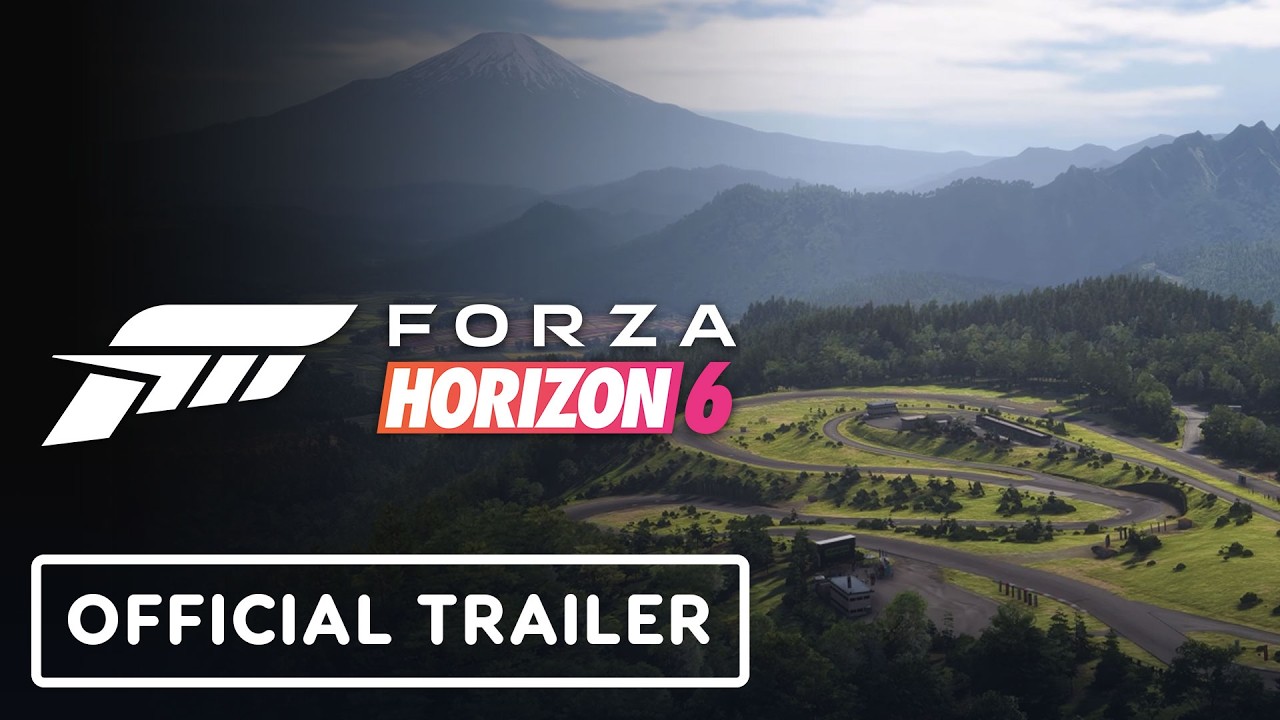
Sector Overview: Horizon Protocol Goes Live in Tokyo
Forza Horizon 6 has officially deployed, and the festival’s latest base of operations — Tokyo — is already rewriting how players think about open-world racing loops. The last seven days of activity show two clear fronts: the community is dissecting speed skills as if they’re exploit-ready telemetry systems, and the Tokyo map itself is emerging as a high-density testbed for precision driving.
Under the surface, this isn’t just a new setting; it’s a systemic shift that matters for #gamedev teams watching how live-service racers evolve their progression economies. From speed-skill routing to UX breadcrumbs in the Xbox app, Forza Horizon 6 is quietly demonstrating how a AAA racer can feel almost #indiegame-experimental in its systems design while still operating at blockbuster scale.
Intelligence Node 1: Speed Skills as a Progression Engine
Recent intel tagged as “Forza Horizon 6: All Speed Skills explained” frames speed-related skills less as disposable stunts and more as a precision telemetry test. The core loop emerging from the community looks like this:
-
Skill Chaining as System Exploit
Players are stacking Speed, Near Miss, Drafting, and top-speed records into long chains to farm XP, Credits, and Car Mastery points at rates that rival traditional race grinding. The language in the feed — “trigger skills on command and stack multipliers like a system exploit” — signals that players already see this as a semi-optimized meta, not just casual flair. -
Map-Informed Min-Maxing
The emphasis on “long straights, dense traffic, and tuned builds” indicates that Horizon 6’s world layout is being interrogated for farm routes, not just scenic drives. From a design standpoint, this is critical: players are treating the open world as a resource-rich circuit, where traffic density and road geometry directly translate into progression efficiency. -
Build Craft for Telemetry, Not Just Speed
Tuned builds are being optimized specifically to hover at controllable high speeds — fast enough to trigger skill thresholds, stable enough to maintain chains through traffic. This is a subtle but important shift: cars are being tuned as skill-combo instruments, not only as race winners.
For designers and systems engineers in #gamedev, this is a live case study in how soft incentives (XP, Credits, mastery) can push players to self-organize around emergent “farm” behaviors, even in a game marketed around free-form exploration.
Watch: Transmitting Gameplay footage from the field: Official Tokyo festival broadcast
Intelligence Node 2: Tokyo as a Living Megacity Testbed
The “Neon Asphalt Protocol” dispatch confirms what early trailers hinted: Tokyo is the star mechanic, not just a backdrop.
-
Dynamic Night Races & Steel Canyons
The feed describes “steel canyons” and “neon streets”, pointing to tightly packed urban corridors that naturally amplify the risk/reward profile of speed skills. Near Miss and Drafting multipliers become far more volatile when every misread gap is a wall, taxi, or guardrail. -
Precision Drifting as Core Language
High-speed runs through a “living megacity grid” suggest that Horizon 6 leans into driftable intersections, linked corners, and vertical sightlines where players read the city ahead like a rhythm chart. This is where Tokyo diverges from previous Horizon biomes: instead of wide-open festival plains, we get urban density as mechanical pressure. -
Audio-Visual Telemetry
The constant references to neon and night racing aren’t just aesthetic. For player readability — and for designers tuning difficulty — high-contrast lighting and reflective surfaces act as visual telemetry, helping players parse apexes and traffic flow at speed. It’s a reminder that environmental art, lighting, and systems design are tightly coupled in modern racers.
Intelligence Node 3: UX Breadcrumbs and the Xbox App Signal
Before the official deployment, the community was already tracking Forza Horizon 6 echoes inside the Xbox app — backend IDs, naming schemes, and subtle UX hooks.
This matters for #gamedev teams on two fronts:
-
Soft Launch Signaling
The app effectively functioned as a low-key discovery surface, warming up the audience before any major marketing beat. That’s a tactic we usually associate with #indiegame projects quietly flipping flags on storefronts; seeing it at AAA scale shows how platform metadata and UX breadcrumbs can be wielded as hype multipliers. -
Telemetry-Driven Rollout
Surfacing Horizon 6 identifiers early also lets Microsoft track engagement intent — wishlist behavior, search queries, and click-through rates — before full reveal. That’s valuable data for tuning marketing spend, but also for prioritizing post-launch content based on pre-release interest.
Design Takeaways for Developers
For studios following Forza Horizon 6 as a live reference build, several patterns stand out:
-
Design Your World for Skill Expression, Not Just Racing
Long straights plus dense traffic aren’t accidents; they’re skill arenas embedded into the open world. Even if you’re building a smaller-scale #indiegame racer, consider how your map can double as a score-attack canvas without needing a separate mode. -
Let Progression Incentives Surface Emergent Routes
Horizon 6’s speed skills effectively crowdsource “best farm routes”. That’s free content generation driven by players. The key is a progression system that rewards mastery chains, not only podium finishes. -
Use Platform Ecosystems as Narrative Channels
The Xbox app sightings show how platform UX can act as a storytelling vector for your development update cadence. Even a small studio can leak controlled hints via store metadata, achievements, or test branches to build a discovery trail.
Sector Forecast
Expect the next phase of community intel to focus on optimal Tokyo circuits, high-yield speed-skill routes, and meta-defining builds that exploit the city’s verticality and traffic patterns. Forza Horizon 6 has landed not just as another open-world racer, but as a live telemetry sandbox where players and designers are co-authoring the meta in real time.
For developers, it’s a reminder: if your systems are deep enough, the community will treat your game like a network to be mapped — and every street, skill, and UI breadcrumb becomes part of the design conversation.
Sources and corrections
This archive entry does not have a verified article-source list. Images and video embeds alone are not evidence for every claim.
Found an error? Request a correction. Include the passage and a supporting source.
Your games, in one place
Keep up with Forza Horizon 6
Follow this game to collect its posts in your personal feed. Come back to see what you missed.
More to read about Forza Horizon 6
- Source-checked briefForza Horizon 6 adds limited-time 7-Eleven content
Forza Horizon 6’s limited-time Horizon Meets update adds a 7-Eleven-inspired storefront and themed Car Meet in the Nangan region. The update also includes themed customization items and an Autumn...