Automated archive / Forza Horizon 6
Forza Horizon 6 Lights Up Tokyo and Rewrites the Speed Meta
Forza Horizon 6 has fully breached Tokyo’s neon grid, and players are already reverse‑engineering its speed-skill economy and hero car meta. This week’s Sector Intelligence Report dissects how Playground’s latest open-world racer is quietly rewriting the rules of urban racing design.
AI-generated summary. This archive article does not have a current recorded source check. Check linked sources before relying on details. Editorial policy
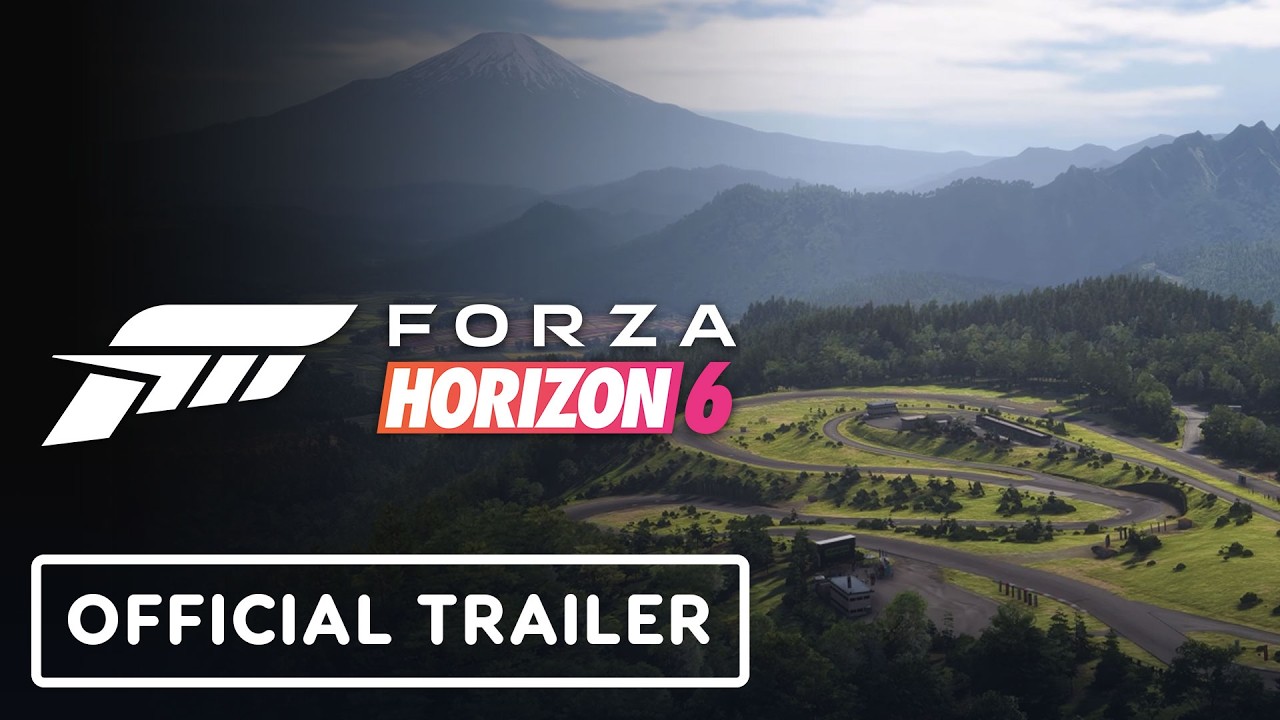
Sector Intelligence Report // Forza Horizon 6
Forza Horizon 6 has moved from long‑range telemetry to full deployment, and this week’s signal traffic paints a clear picture: Tokyo is live, the speed-skill meta is already being reverse‑engineered, and Playground’s latest open-world racer is locking in early as the next big systems sandbox for #gamedev‑minded drivers.
This Sector Intelligence Report triangulates the last seven days of activity across trailers, social echoes, and mechanical breakdowns to map how forza horizon 6 is evolving post-launch—and where the design language is quietly shifting under the hood.
Tokyo Comes Online: Horizon Reboots as a Neon Street Festival
The loudest spike on the grid is the confirmation that Forza Horizon 6 deploys in Tokyo, with the Horizon crew “breaching Tokyo’s steel canyons” and flooding neon streets with horsepower. The franchise’s traditional countryside vistas are being rerouted into a dense urban lattice: elevated expressways, alleyway shortcuts, and high‑rise reflections that turn every night race into a light-traced telemetry stream.
This isn’t just a cosmetic pivot. A living megacity grid changes encounter density, line‑of‑sight, and how the game stages risk. Dynamic night races and precision drifting through tight corridors suggest a handling model tuned for snap decisions at high speed—something that will matter both to competitive players and to designers watching how urban open worlds can sustain systemic racing.
Tokyo also reads like a deliberate play for a different fantasy: less “festival in the fields,” more “outlaw convoy threading a cyber‑noir freeway.” Forza Horizon 6 is quietly repositioning itself as the definitive neon street racer in the AAA space, an angle that will resonate across both mainstream players and #indiegame devs studying how to stage dense, readable cityscapes at speed.
Speed Protocols Decrypted: A New XP and Credit Economy
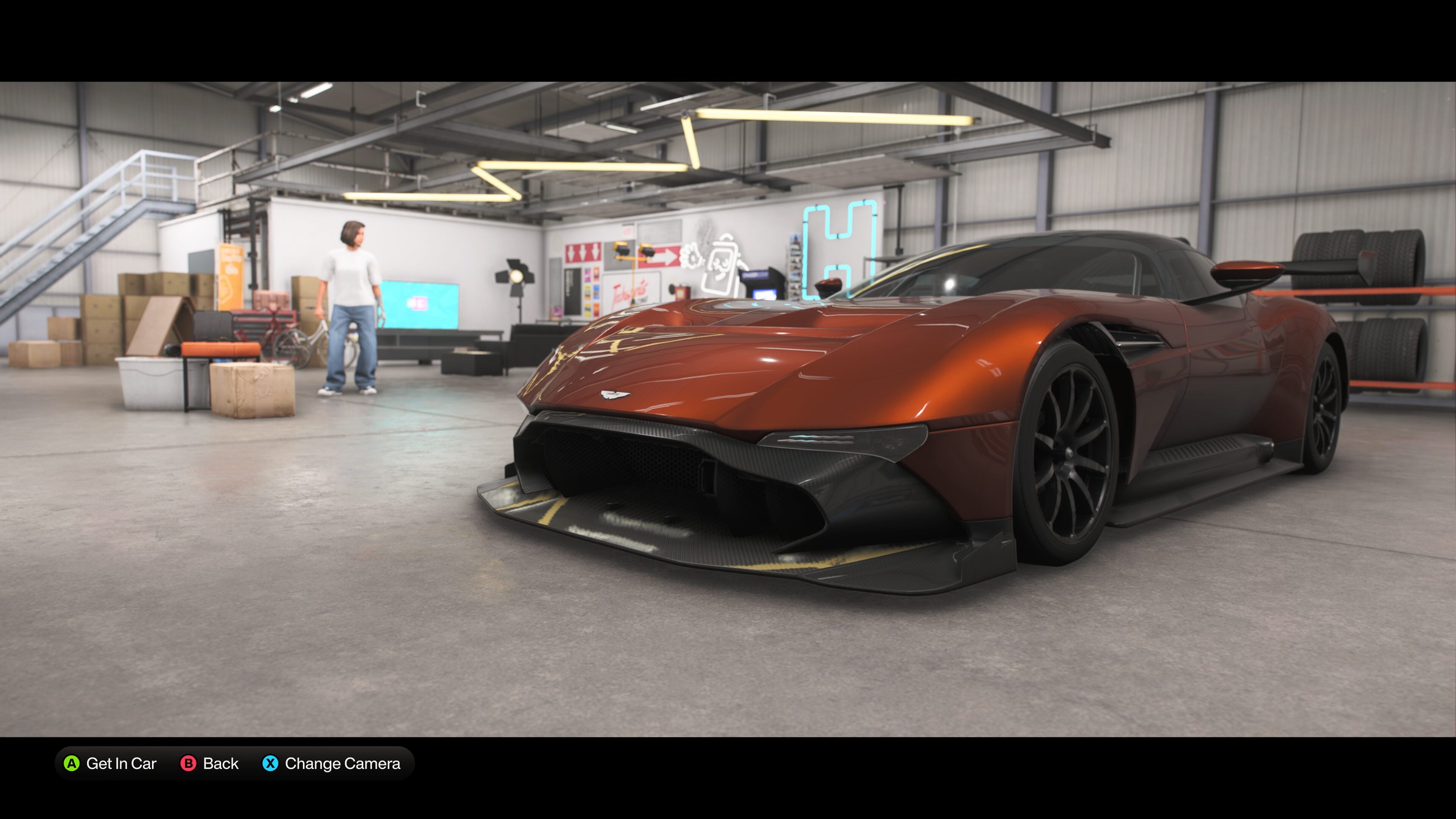
One of the most telling intel drops this week is the deep dive on “Speed Protocols” in forza horizon 6—essentially a design postmortem in the wild on how Speed, Near Miss, Drafting, and top‑speed records interlock.
Players are already treating the skill system like a farmable economy, not a side effect. The optimal loop is emerging fast:
- Target long straights on Tokyo’s expressways or out‑of‑city arteries.
- Hunt dense traffic to chain Near Miss and Drafting.
- Deploy tuned builds that can hold high velocity while remaining stable enough to thread cars without contact.
The result: repeatable XP, Credits, and Car Mastery point farms that feel less like exploits and more like a sanctioned minigame. From a #gamedev perspective, this is a strong example of how telegraphed skill tags and generous multipliers can turn what used to be “background driving style” into a primary progression engine.
Crucially, the language around these systems—“precision telemetry test,” “trigger skills on command,” “stack multipliers like a system exploit”—signals that Playground has leaned into a quasi‑technical fantasy. You’re not just driving; you’re piloting a data‑driven machine and bending the progression model around your mastery.
Fleet Update: Mazda Furai Joins the Operational Roster
Watch: Transmitting Gameplay footage from the field: Mazda Furai joins the Forza Horizon 6 roster
On the vehicle front, the Mazda Furai’s arrival in Forza Horizon 6 is more than a headline car drop—it’s a statement of intent. The Furai, a prototype with an endurance‑bred chassis and aggressive aero, is built for sustained velocity and surgical cornering.
Design-wise, dropping a car like this early into the lifecycle does a few things:
- Raises the skill ceiling for time trial specialists and seasonal event grinders.
- Pushes tuning culture toward high‑downforce, high‑commitment builds.
- Reinforces the game’s identity as a space where motorsport‑grade machinery coexists with street‑level chaos.
For competitive players, the Furai is a new benchmark for leaderboard ops. For #gamedev observers, it’s a case study in how a single hero car can re‑shape meta builds and convoy compositions, especially in a game where speed skills and drafting chains are now core economic engines.
Accolades Telemetry: Early Sentiment and Systems Readout
The Forza Horizon 6 Accolades trailer functions as a sentiment dashboard. Visual telemetry points to:
- Expanded route density, with more overlapping road options and off‑shoots.
- Heavier supercar traffic, turning free roam into a rolling highlight reel.
- Refined atmospheric rendering, especially in night and wet conditions—critical in a neon‑heavy Tokyo.
Early enthusiasm from both civilian players and specialist press indicates that the pivot to Japan hasn’t cost the series its trademark spectacle. Instead, it’s amplifying it through contrast: claustrophobic city runs versus open mountain switchbacks, curated light pollution versus natural vistas.
From a development update standpoint, this is the clearest signal yet that Playground is doubling down on spectacle as systemic output. The more the world is tuned for high-speed readability and reactive AI traffic, the easier it is to generate shareable clips and emergent stories—fuel for both community growth and long‑tail engagement.
Strategic Takeaways for Developers and Designers
Forza Horizon 6’s first major data burst offers several actionable insights for #gamedev and #indiegame teams watching from the control room:
- Urban density is a feature, not a constraint. Tokyo shows how verticality, traffic, and light can all be harnessed to guide player flow at 200+ mph.
- Skill systems thrive when they’re legible and chainable. Speed, Near Miss, and Drafting tags are simple, but when tuned for generous stacking, they become a meta in their own right.
- Hero cars can be design levers. The Mazda Furai isn’t just fan service; it’s a mechanical nudge toward higher‑risk, higher‑reward play.
- Accolades and trailers are telemetry. How a studio frames its own work in marketing beats often reveals the systems it’s most confident in.
As Forza Horizon 6’s Tokyo festival continues to spool up, expect the meta to harden around optimized speed farms, convoy‑based leaderboard pushes, and a new generation of urban drift disciples. The horizon has shifted—and the data says players are already adapting.
Watchlist: Next Signals to Track
- Balance passes on speed skills and credit farming routes.
- Additional hero car deployments and their impact on the competitive meta.
- Any live‑service events that reconfigure Tokyo’s traffic density or time‑of‑day cycles.
We’ll be monitoring the feed for the next breach in the asphalt grid.
Sources and corrections
This archive entry does not have a verified article-source list. Images and video embeds alone are not evidence for every claim.
Found an error? Request a correction. Include the passage and a supporting source.
Your games, in one place
Keep up with Forza Horizon 6
Follow this game to collect its posts in your personal feed. Come back to see what you missed.
More to read about Forza Horizon 6
- Source-checked briefForza Horizon 6 adds limited-time 7-Eleven content
Forza Horizon 6’s limited-time Horizon Meets update adds a 7-Eleven-inspired storefront and themed Car Meet in the Nangan region. The update also includes themed customization items and an Autumn...