Automated archive / Forza Horizon 6
Forza Horizon 6 Breaches Tokyo and Locks in the Meta
Forza Horizon 6’s first full week live has turned Tokyo’s neon grid into a high-speed lab for drift physics, credit economies, and urban route design. From Mazda Furai hero runs to industrialized EventLab farms, Playground’s latest racer is already reshaping the open-world driving meta.
AI-generated summary. This archive article does not have a current recorded source check. Check linked sources before relying on details. Editorial policy
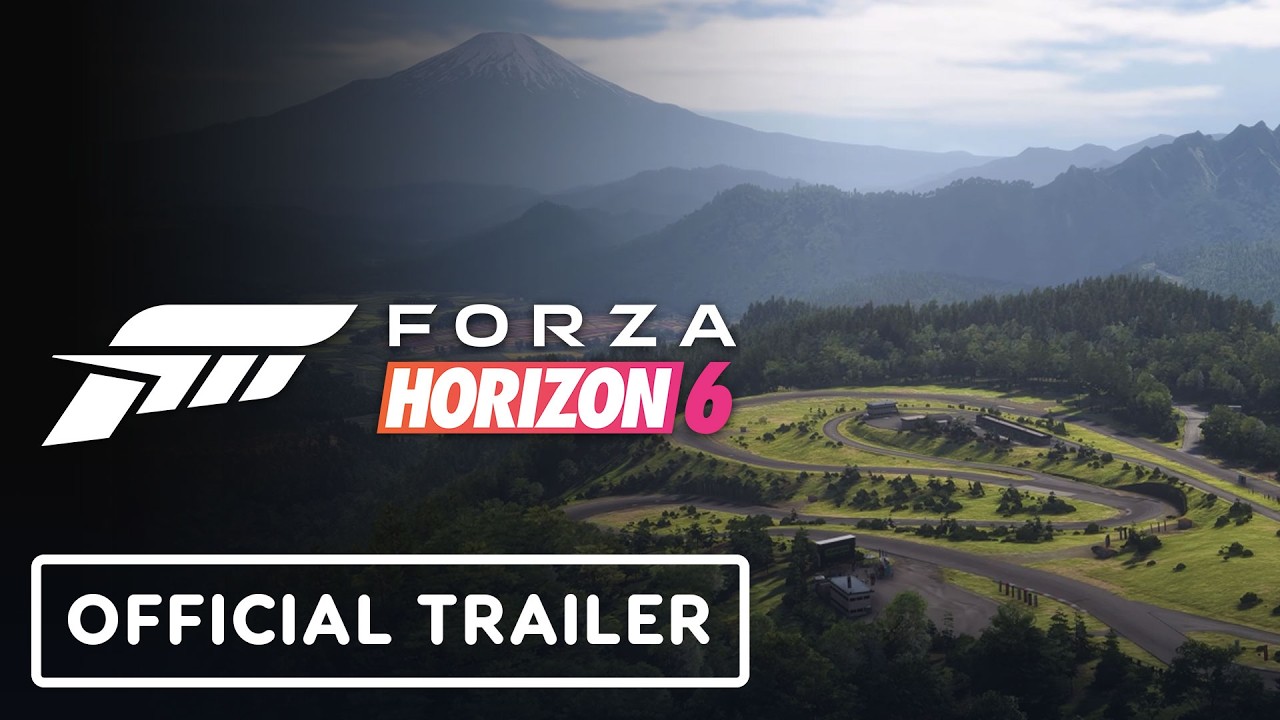
Sector Intelligence Report // Forza Horizon 6 – Week of May 25, 2026
Forza Horizon 6 has fully deployed, and the first week of live operations is already reshaping the open-world racing meta. Tokyo’s steel canyons, Japan’s mountain passes, and a freshly tuned progression economy are feeding a nonstop stream of player telemetry. This isn’t just a bigger Horizon festival—it’s a systemic pivot toward dense urban play, high-skill drifting, and industrialized credit farming.
Tokyo Comes Online: Horizon Reboots in Japan
The biggest macro-shift this week is environmental: Forza Horizon 6 reroutes the Horizon signal to Japan. Activity across official channels frames this as a deliberate move from countryside cruising to neon-drenched urban pressure.
The new Japan map is being positioned as a hybrid of:
- Dense urban circuits through Tokyo’s “steel canyons,” designed for night racing and visual spectacle.
- Mountain switchbacks tuned for drift disciples and high-risk, high-style driving.
- High-speed coastal routes that keep the Horizon DNA of long, flowing sprints intact.
From a #gamedev perspective, Xbox’s own “tourist’s guide” breakdown underscores how real-world landmarks and road layouts were structurally re-authored as gameplay-first systems. Cultural sites and skyline silhouettes are treated as navigational data, not just set dressing—anchor points for route planning, race design, and player orientation in a megacity that might otherwise be overwhelming.
Handling, Atmosphere, and Accolades: Early Performance Readout
Watch: Transmitting Gameplay footage from the field: Forza Horizon 6 Accolades & performance trailer
The official Accolades trailer functions as a soft KPI dashboard for Playground Games. Early critical sentiment is already being weaponized as marketing, but buried in the montage is a clear message:
- Expanded route density: more intersecting road options per square kilometer than prior entries.
- Refined atmospheric rendering: denser traffic, layered lighting, and weather interplay that sells Tokyo’s neon and Japan’s varied biomes.
- Precision handling emphasis: camera work and event types suggest a heavier tilt toward technical driving—drift zones, tight street races, and high-stakes night runs.
For #indiegame and #gamedev teams, this is a case study in how to ship a sequel that leans into specialization rather than pure scale. The map doesn’t just get bigger; it gets more legible and more mechanically demanding.
The Drift Meta: 100+ Hours of Asphalt Research
One of the earliest community pressure points is the drift meta. Field intel notes that over 100 hours of testing has already been distilled into a shortlist of elite drift platforms in forza horizon 6. The common traits emerging from this research loop:
- Clean breakaway: cars that step out predictably, avoiding snap oversteer.
- Stable counter-steer: chassis that hold angle without constant micro-correction.
- Fast angle recovery: builds that can exit a drift and re-stabilize quickly for chained corners.
This kind of rapid, data-driven optimization is exactly what Playground’s physics and systems teams have been designing for. By giving players deeper tuning granularity and more drift-oriented road design, they’ve effectively crowdsourced the balancing pass. Expect ongoing micro-shifts as patch notes respond to leaderboard outliers.
Credit Grid Overclock: Farming as a Systemic Meta
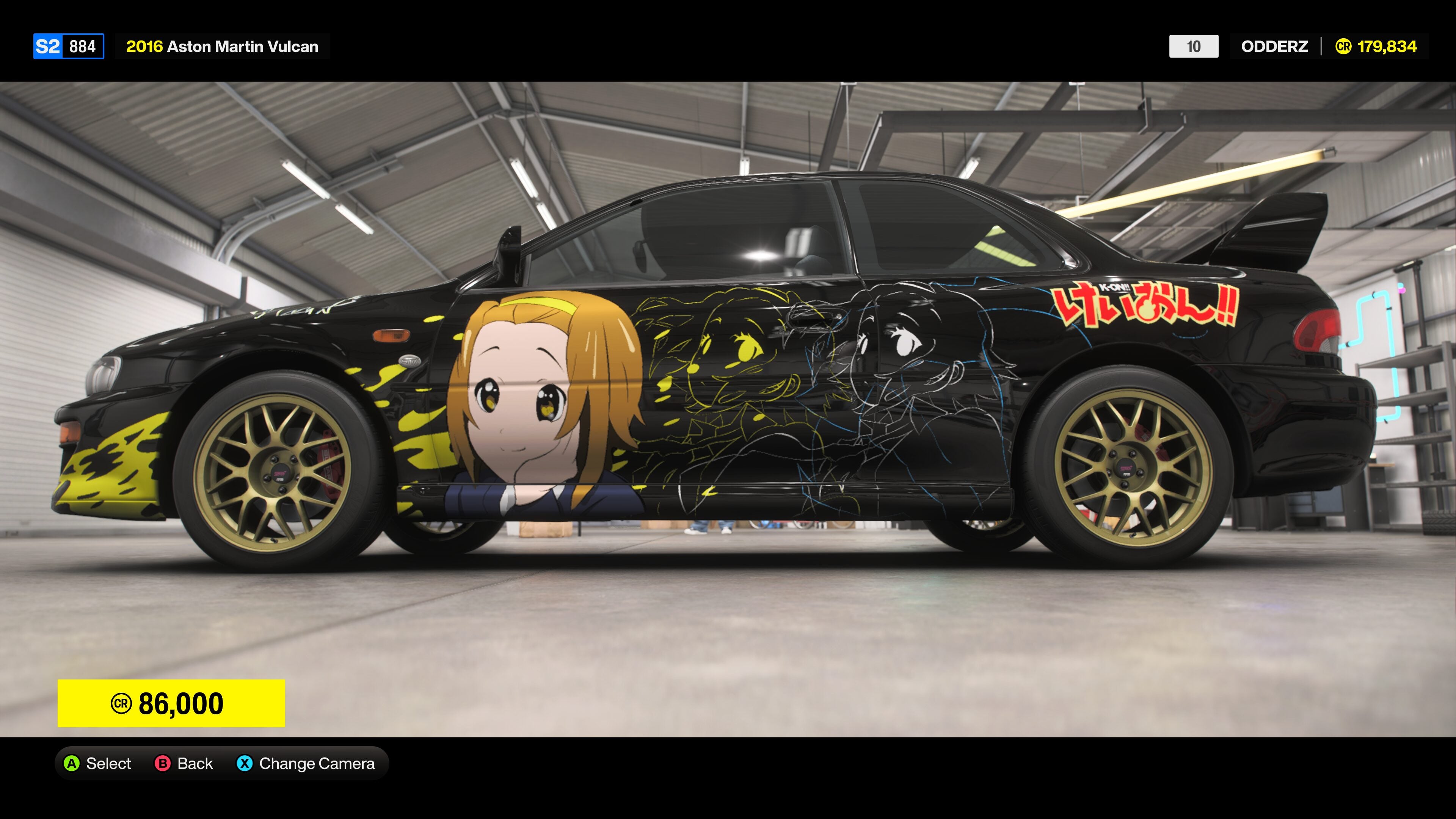
Within days of launch, the economy has been dissected. Players are chaining custom EventLab routes and share codes into industrial-scale credit and Skill Point farms. The typical optimization pattern looks like this:
- Traffic-heavy straights packed with AI fodder for combo chains.
- Skill Song windows exploited for multiplier spikes.
- Automation-friendly laps where assists and rubber-banding let players semi-AFK the grind.
From a design standpoint, this is the classic Horizon tension: celebrate player creativity without allowing the economy to collapse. How aggressively Playground moves to nerf or normalize these farms will define the medium-term health of forza horizon 6’s progression loop.
Live Ops and Platform Strategy: Game Pass as Force Multiplier
Forza Horizon 6 launched day-one into Xbox Game Pass, instantly widening its operational footprint across Xbox Series X|S and PC. That distribution strategy is already paying off in:
- High concurrency at launch, stress-testing online infrastructure and convoy systems.
- Rapid content discovery, with mascot hunts, barn finds, and treasure cars surfacing in guides within the first week.
- Cross-platform meta spread, as tuning codes and share codes circulate between console and PC ecosystems.
For other #gamedev teams watching from the sidelines, forza horizon 6 is a live demonstration of how subscription platforms can accelerate meta formation, community tooling, and content lifespan.
Vehicle Roster Intel: Mazda Furai and Beyond
The Mazda Furai’s dedicated trailer signals how Playground is curating hero cars for specific event archetypes. High-downforce prototypes like the Furai are being framed as endgame tools for seasonal events and leaderboard pushes, not just collectibles.
This reinforces a broader design thesis: the car list isn’t just wide, it’s stratified. Different tiers of vehicles are clearly targeted at:
- Style-first play (drift icons and street legends).
- Meta efficiency (farm builds and high-multiplier rigs).
- Competitive endgame (Furai-tier prototypes and hypercars built for time attack).
Collectibles and Urban Cartography
Mascot location guides and treasure intel are already circulating, which tells us two things about the map design:
- Collectibles are densely integrated into the driving fabric, not isolated detours.
- Route planning is a first-class activity, with players optimizing paths to sweep mascots, barns, and treasure in a single loop.
For open-world designers, forza horizon 6’s Japan serves as a blueprint for how to embed progression hooks into a map without breaking flow. Every collectible is a reason to keep driving, not a reason to open a menu.
Forza Horizon 6’s first operational week confirms the thesis: this is a pivot from festival postcard to urban motorsport system. Tokyo’s neon grid, a ruthless drift meta, and a player-driven economy are already rewriting how the Horizon series is played—and how future open-world racers will be built.
Sources and corrections
This archive entry does not have a verified article-source list. Images and video embeds alone are not evidence for every claim.
Found an error? Request a correction. Include the passage and a supporting source.
Your games, in one place
Keep up with Forza Horizon 6
Follow this game to collect its posts in your personal feed. Come back to see what you missed.