Automated archive / Forza Horizon 6
Forza Horizon 6 Hits 500K PC Pre-Sales and Arms Up for a Neon Tokyo Launch Run
Forza Horizon 6 has already cleared 500K pre-sold copies on Steam with a month to go, while Tokyo’s neon-soaked streets and new limited edition hardware signal a sharper, more technical identity for the series. This week’s Sector Intelligence Report breaks down what that means for gamedev, from biome design to...
AI-generated summary. This archive article does not have a current recorded source check. Check linked sources before relying on details. Editorial policy
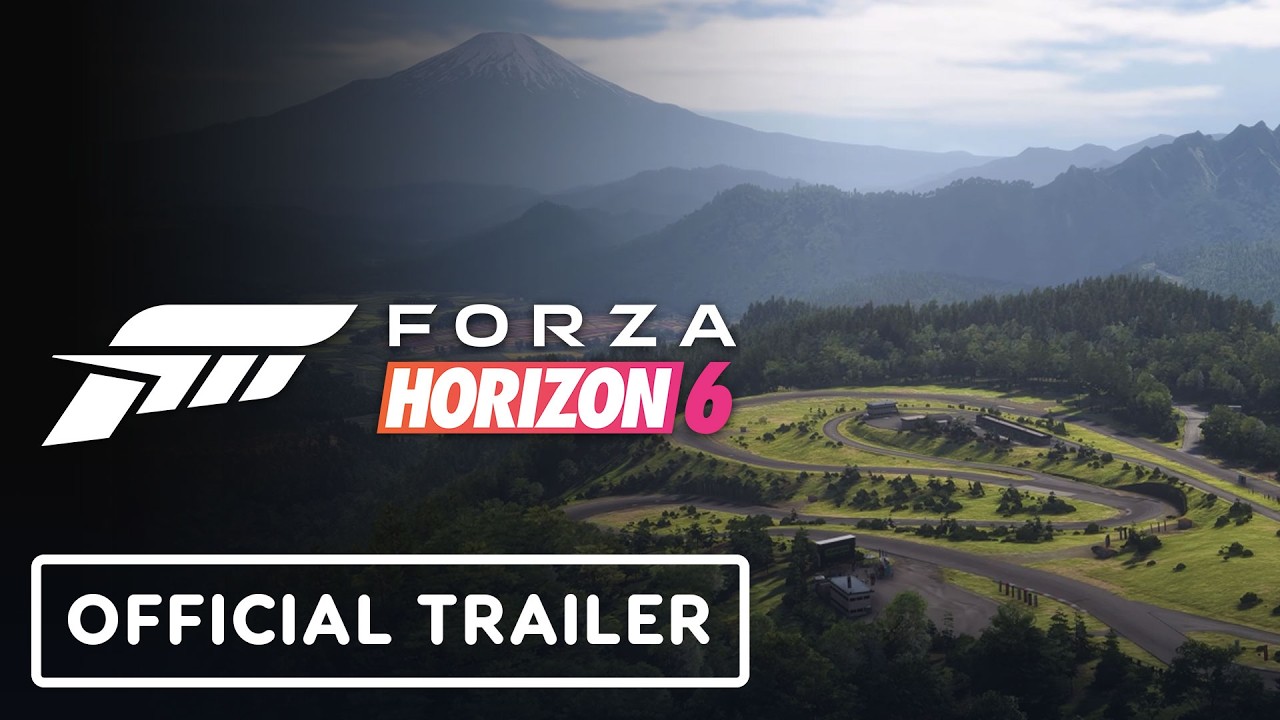
Sector Overview: Forza Horizon 6 Enters Pre-Launch Overdrive
Forza Horizon 6 is entering its final pre-launch month with the kind of telemetry that makes platform holders and racing devs sit up. The latest data spike: over 500,000 pre-sold copies on Steam already locked in, with a full month still on the countdown clock. For a traditionally console-forward franchise, that’s a decisive signal that the PC racing sandbox market is not just healthy—it’s accelerating.
From a #gamedev and #indiegame perspective, this isn’t just a win for Playground Games; it’s a live case study in how premium open-world racers can still command day-one intent in an era dominated by live-service fatigue and free-to-play drift. The message to studios: if your systems design, content cadence, and visual identity are strong enough, players will still commit early.
Market Signal: 500K Steam Pre-Sales and What It Really Means
The reported 500K+ Steam pre-orders for Forza Horizon 6 with a month to go paints a clear picture:
1. PC Racing Isn’t Niche—It’s Infrastructure
Steam is historically not Forza’s home turf, yet Horizon 6’s early numbers suggest:
- There’s sustained demand for premium, open-world racing sandboxes on PC.
- Players are willing to pre-commit to a known systemic framework: seasonal events, car collection, and exploration-heavy map design.
For other developers, especially smaller studios, this reinforces that:
- High-fidelity racers can still cut through if they offer strong systemic depth and clear fantasy (in this case, global car culture tourism plus high-speed freedom).
- PC shouldn’t be treated as a secondary port destination; it’s a primary concurrency pillar where strong optimization and input support (wheel, pad, keyboard) can materially move the needle.
2. Launch-Week Load Forecast: Heavy
Half a million committed PC users before launch implies:
- Server and matchmaking stress tests will be critical. Expect peak concurrency spikes in the first 72 hours.
- Telemetry from early adopters will heavily influence first-wave balancing patches—economy tuning, progression pacing, and online event rotations.
For #gamedev teams watching from the outside, Forza Horizon 6’s rollout will be a useful benchmark for:
- Cross-platform scaling strategies (console + PC + cloud where applicable).
- How fast a AAA live team responds to launch-week data without destabilizing the meta.
Hardware Intelligence: Limited Edition Controller & Headset as Design Signal
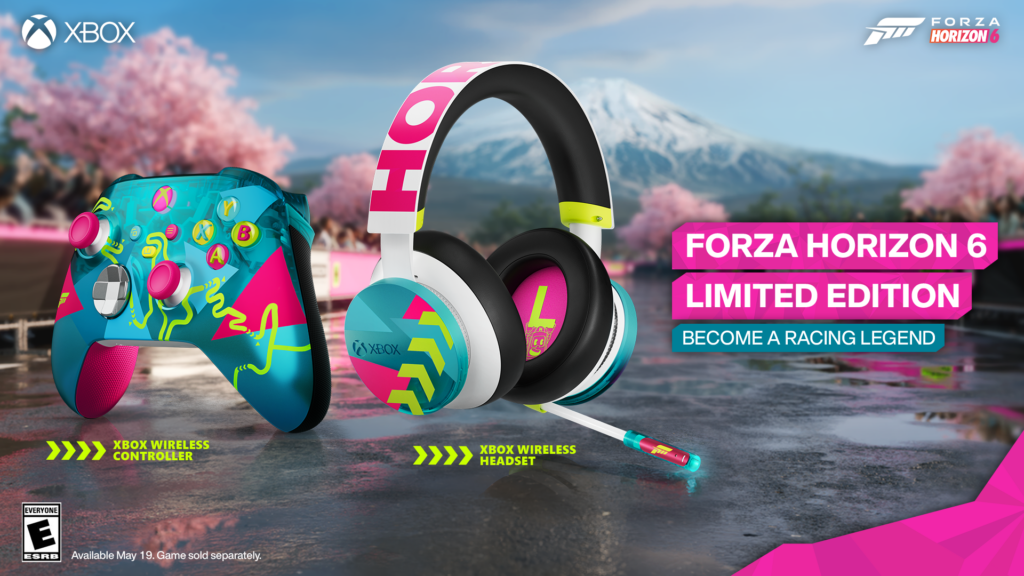
Microsoft’s rollout of a Forza Horizon 6 Limited Edition controller and headset is more than cosmetic merch—it's a read on how tightly integrated Xbox wants hardware and software telemetry to be.
1. Input as Design Surface
The limited edition controller leans into:
- High-contrast, neon-gradient livery that visually echoes the new urban circuits.
- Haptic tuning aimed at high-speed feedback fidelity—communicating grip loss, surface changes, and collision data.
For designers, this underlines a principle that scales down even to #indiegame projects:
- Treat input devices as part of the fantasy loop, not just neutral IO. Visual identity, rumble patterns, and audio feedback can all reinforce the core experience.
2. Audio as Competitive Edge
The themed headset, pitched as “telemetry-grade gear,” suggests:
- Spatial audio is being treated as a competitive tool, not just immersion garnish—pinpointing traffic, environmental hazards, and rival positioning.
- Forza Horizon 6’s soundscape is likely tuned for clarity under chaos in the Tokyo biome: rain, traffic, engine clusters, and announcer chatter stacked in a narrow frequency budget.
For other studios, especially those building competitive or co-op racers:
- Invest in audio UX: prioritize information hierarchy (what must be heard first) over pure spectacle.
Biome Briefing: Tokyo City Comes Online
Watch: Transmitting Gameplay footage from the field: Forza Horizon 6 Tokyo City Biome Showcase
Playground Games has now fully unveiled the Tokyo City biome, and it’s a sharp pivot from the series’ more pastoral open-world backdrops. The design language here is dense, vertical, and aggressively urban.
1. Track Design: Controlled Chaos in Steel Canyons
The Tokyo biome is described as a “dense urban testbed” built around:
- Neon-lit expressways ideal for hypercar sprints.
- Tight alleyways and elevation shifts tuned for technical drifting.
- Wet asphalt and reflective surfaces that challenge visibility and traction.
From a systems perspective, this environment supports:
- High-skill ceiling drift and grip interplay, rewarding players who can read camber, elevation, and surface changes at speed.
- Strong replayability via time-of-day and weather permutations, especially at night with heavy rain and traffic density tweaks.
2. Visual & Performance Trade-Offs
Tokyo’s dense geometry and light sources will be a stress test for rendering pipelines:
- Reflections, neon signage, and wet roads all push GPU budgets hard, particularly on PC where configurations vary wildly.
- Expect aggressive LOD and streaming strategies to keep frame times stable at 60+ FPS on target hardware.
For #gamedev teams, this biome is a live example of:
- How to prioritize focal detail (road surface, signage, racing line cues) while letting background clutter degrade gracefully.
- Using verticality and light to guide player flow in spaces that could otherwise feel maze-like.
Strategic Takeaways for Developers
As Forza Horizon 6 barrels toward launch, several macro-lessons emerge for other studios and #indiegame teams watching the telemetry:
- Pre-Launch Positioning Matters: Clear fantasy (neon Tokyo street culture, high-speed exploration) plus a proven systemic backbone can still drive substantial pre-orders in 2026.
- Hardware Synergy Is a Force Multiplier: The limited edition controller and headset show how tightly integrated peripherals can extend the brand and enhance perceived value.
- Biome Design as Brand Differentiator: The Tokyo City biome isn’t just a new map; it’s a statement about where the Horizon series is steering its identity—toward denser, more technical, more visually aggressive spaces.
Forza Horizon 6 is shaping up to be not just another sequel, but a case study in multi-channel ecosystem design—software, hardware, and community expectations all aligned around a single, high-speed launch window. Other developers would be wise to watch how this rollout handles its first week under full load.
Sources and corrections
This archive entry does not have a verified article-source list. Images and video embeds alone are not evidence for every claim.
Found an error? Request a correction. Include the passage and a supporting source.
Your games, in one place
Keep up with Forza Horizon 6
Follow this game to collect its posts in your personal feed. Come back to see what you missed.
More to read about Forza Horizon 6
- Source-checked briefForza Horizon 6 adds limited-time 7-Eleven content
Forza Horizon 6’s limited-time Horizon Meets update adds a 7-Eleven-inspired storefront and themed Car Meet in the Nangan region. The update also includes themed customization items and an Autumn...