Automated archive / Forza Horizon 6
Forza Horizon 6 Turns Japan into Xbox’s Next GOTY Test Track
Forza Horizon 6’s Japanese relocation is shaping up as more than a new map—it’s a systemic reboot of open-world racing design. From seamless street ops in Tokyo to deeper car culture progression, Playground is quietly building Xbox’s next GOTY-class machine.
AI-generated summary. This archive article does not have a current recorded source check. Check linked sources before relying on details. Editorial policy
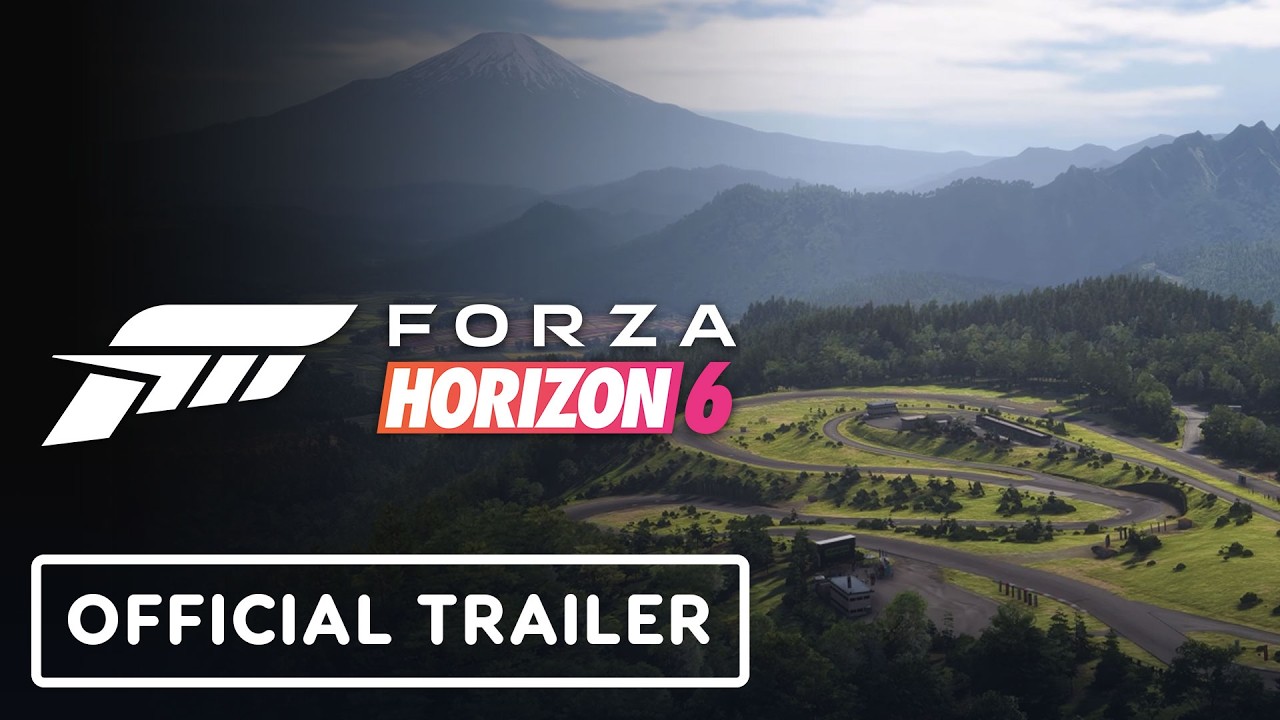
Strategic Overview: Horizon Protocol Goes East
Forza Horizon 6 is no longer a vague blip on the radar—it’s a fully mapped operation. Over the last week, Xbox and Playground Games have shifted from coded teases to concrete intel: a Japan-set open world, a dense Tokyo hub, new car-culture systems, and a tech stack tuned to push the series beyond a simple sequel. In sector terms, Forza Horizon 6 now reads less like a routine festival relocation and more like a full-platform showcase aimed squarely at Game of the Year conversations.
This report consolidates field transmissions from hands-on previews, official podcasts, and early prologue footage to assess how Horizon 6 is evolving as a #gamedev case study—and what it signals for open-world racing design in 2026.
The Japan Map Leak: Open World as Racing Meta
The exposed full-map layout for forza horizon 6 confirms what fans have speculated for years: Japan is the perfect systems testbed for Horizon’s brand of controlled chaos. The leaked intel outlines a multi-biome structure:
- Dense urban grids for high-speed street racing and traffic-dodging sprints.
- Mountain passes tuned for touge—long, technical descents that naturally reward drifting and precision play.
- Highway loops and coastal sectors that double as both cruise routes and meta-defining grind circuits.
From a design standpoint, this is a deliberate shift toward environment-as-event. Rather than treating the map as a backdrop for icons, Playground seems to be engineering the world itself as a continuous race surface—blurring the line between free roam, structured events, and social play.
Seamless Street Ops: The Race Is the Environment
Recent previews describe a traversal loop engineered for “zero-friction” play. Translated into #gamedev language, Horizon 6 is aggressively minimizing menu time and load interruptions, turning the open world into a live surface where:
- Events can be initiated seamlessly from the road.
- Collectibles and side activities are layered into natural driving lines.
- Exploration and competition merge into a single continuous deployment.
This is a key evolution from Horizon 5’s more traditional festival structure. The design goal is clear: no dead air. Every second in the world should be actionable, whether you’re chasing skill chains, drifting a mountain switchback, or spontaneously dropping into a street race.
The prologue gameplay footage reinforces this philosophy with dense traffic choreography and cinematic route scripting. It’s a controlled on-ramp that doubles as a physics and visual pipeline showcase—an onboarding sequence built as a tech demo.
Tokyo Uprising: Custom Garages and Car Culture Systems
The Official Xbox Podcast deep-dive reframes forza horizon 6 not just as a map swap, but as a car culture platform. Tokyo functions as a vertical, neon-drenched hub where:
- Custom player garages act as both cosmetic showrooms and progression anchors.
- Street circuits weave through a tightly packed city grid, pushing the engine’s streaming and lighting tech.
- A towering mechanical titan looms over the skyline—an unexpected visual anchor that leans into Horizon’s festival-as-spectacle identity.
Under the hood, Playground is talking about deeper progression systems and more granular personalization. For players, that likely means longer-term ownership loops—your garage, your crew, your identity—rather than just a rotating carousel of cars and events. For #indiegame and smaller studios watching from the sidelines, Horizon 6 is a live case study in how to scale lifestyle branding and in-world personalization without sacrificing frictionless play.
Tech Escalation: Visual Telemetry and Physics Refinement
From the prologue footage and hands-on reports, several technical priorities emerge:
- Upgraded lighting pipelines give Japan’s varied climates—rain-slick city streets, coastal sunsets, mountain fog—distinct visual signatures.
- Refined physics aim to thread the needle between sim credibility and Horizon’s approachable handling model.
- Traffic density and choreography are pushed harder, especially in urban Tokyo sectors, to make the city feel alive without overwhelming the player.
These are not just visual upgrades—they’re systemic bets. Denser cities and more complex traffic patterns put sustained pressure on streaming, AI, and collision systems. If Playground lands this, forza horizon 6 becomes a reference build for open-world racers on current-gen hardware.
Watch: Transmitting Gameplay footage from the field: Extended Forza Horizon 6 showcase from Xbox
Live-Ops Philosophy: Treating Horizon as a Continuously Tuned Machine
Xbox leadership’s discussion with Playground frames Horizon 6 as a long-term live-ops machine, not a fire-and-forget release. Key signals:
- A focus on continuous tuning of systems, events, and rewards post-launch.
- Acknowledgment that Horizon now operates as a persistent platform within the Xbox ecosystem.
- Alignment with broader Game Pass strategy—Horizon 6 as a recurring engagement anchor.
This positions the game closer to a seasonal service than a boxed product, but with a crucial distinction: the core fantasy remains about freedom, not obligation. The challenge will be sustaining a live calendar without turning the festival into a checklist.
Hardware Front: Limited Edition Gear as Ecosystem Signal
Reports of a limited edition Xbox Wireless Controller and headset synchronized with forza horizon 6’s launch window are more than just merch. They’re an ecosystem tell: Microsoft is preparing a full-spectrum push—hardware, Game Pass, streaming, and social capture—around Horizon 6’s debut.
For the wider #gamedev sector, this reinforces a familiar pattern: flagship racers are still being treated as tech and brand showcases, not niche genre plays. Expect Horizon 6 to be heavily featured in cloud streaming demos, display showrooms, and platform marketing beats.
GOTY Contender Status: Where Horizon 6 Stands Now
The VGC panel’s question—Is Forza Horizon 6 a Game of the Year contender?—isn’t speculative fluff anymore. Based on current intel:
- Strengths: Proven franchise momentum, a high-demand setting, visible tech escalation, and a clear identity in the open-world space.
- Risks: Live-service fatigue, the challenge of meaningfully evolving progression, and the need to differentiate from Horizon 5 beyond pure spectacle.
If Playground delivers on seamless open-world design, deeper car culture systems, and stable live-ops, forza horizon 6 is positioned not just as “another exceptional racer,” but as a template for how big-budget open worlds should feel in 2026: always in motion, always connected, and always a few seconds away from something worth doing.
In sector terms, this isn’t just a new festival—it’s a full recalibration of the open-world racing playbook.
Sources and corrections
This archive entry does not have a verified article-source list. Images and video embeds alone are not evidence for every claim.
Found an error? Request a correction. Include the passage and a supporting source.
Your games, in one place
Keep up with Forza Horizon 6
Follow this game to collect its posts in your personal feed. Come back to see what you missed.
More to read about Forza Horizon 6
- Source-checked briefForza Horizon 6 adds limited-time 7-Eleven content
Forza Horizon 6’s limited-time Horizon Meets update adds a 7-Eleven-inspired storefront and themed Car Meet in the Nangan region. The update also includes themed customization items and an Autumn...