Automated archive / Forza Horizon 6
Forza Horizon 6 Turns Japan Into Xbox’s Next GOTY-Grade Test Track
Forza Horizon 6 is turning Japan into a dense, drift‑friendly test lab for Xbox’s next evolution of open‑world racing. With seamless events, custom garages, and an upgraded physics and lighting stack, Playground Games is quietly positioning Horizon’s Tokyo takeover as a genuine Game of the Year threat.
AI-generated summary. This archive article does not have a current recorded source check. Check linked sources before relying on details. Editorial policy
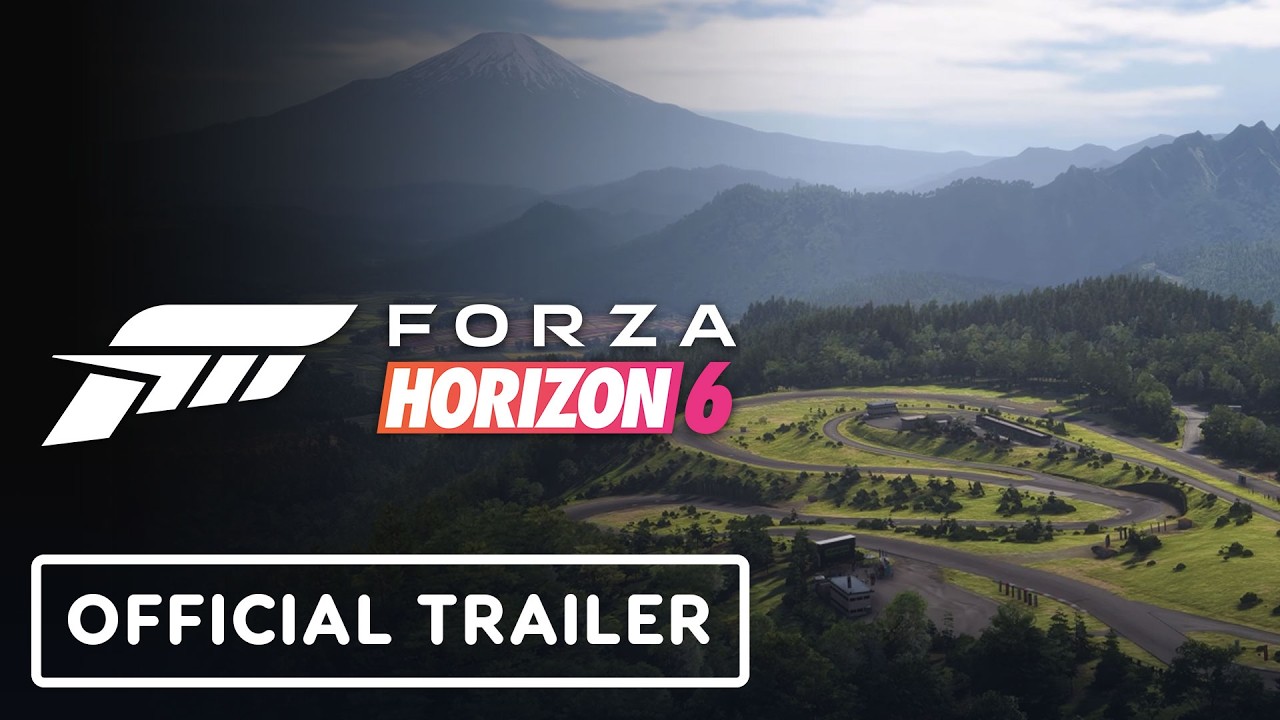
Sector Overview: Horizon Protocol Goes East
Forza Horizon 6 is emerging from blackout with a clear directive: turn Japan into Xbox’s flagship open‑world racing lab and a potential Game of the Year disruptor. Over the last week, a cluster of previews, podcasts, and official broadcasts has reframed the project from “another Horizon” into a full‑spectrum systems overhaul. This isn’t just a new festival; it’s a new operating model for open‑world racing.
Across hands‑on reports and Xbox’s own dev briefings, three themes dominate the signal: a hyper‑dense Japan map engineered for zero‑friction traversal, a renewed focus on the "art of driving" via physics and surface fidelity, and a live‑ops philosophy that treats Forza Horizon 6 as a continuously tuned machine rather than a static launch product. For #gamedev teams watching from the sidelines, the game is quietly becoming a case study in how to evolve a mature franchise without detonating its identity.
Cartography of Speed: The Full Japan Map Leak
Field intel around the leaked full Japan map confirms what fans have speculated for years: Playground has finally committed to a setting that naturally supports drifting culture, touge runs, and dense urban cruising.
Hands‑on reports describe a layout that swings from neon‑drenched Tokyo expressways to mountain passes purpose‑built for sideways driving, with coastal sectors and highway loops that clearly telegraph meta‑friendly farming routes for credits, XP, and photo ops. Instead of wide‑open countryside, Forza Horizon 6 leans into constrained geometry—tight city streets, stacked overpasses, and multi‑layered intersections.
From a #gamedev perspective, that shift is non‑trivial. Pathfinding, AI behavior, and event scripting become significantly more complex in a vertical, high‑density environment. The promise of seamless event initiation—where the world itself is the menu—only lands if the routing logic can cope with constant speed, unpredictable entry angles, and players chain‑linking activities without hard loading breaks.
Seamless Street Ops: Events Without Friction
Multiple previews stress the same core design thesis: in Forza Horizon 6, you don’t "go to" a race; the race materializes around you. One outlet framed it as "the race is the environment," a line that neatly encapsulates Playground’s new traversal loop.
Instead of bouncing between a map UI and static event markers, players are funneled into a continuous deployment model—driving, discovering, and triggering content in one motion. Collectibles, side activities, and full races are layered into the same flow, minimizing downtime and UI friction.
For live‑service design, this is critical. The longer players stay in the driving state, the more likely they are to experiment with builds, photo mode, and social features without feeling like they’re grinding a checklist. That’s a lesson many an #indiegame racing project can adapt: design your world so that your core verb—driving, swinging, shooting—is never more than a second away.
The Art of Driving: Physics as a Feature, Not a Footnote
Watch: Transmitting Gameplay footage from the field: Forza Horizon 6 – Art of Driving systems brief
The "Art of Driving" trailer functions less like a hype reel and more like a spec sheet. Surface detail, tire behavior, and dynamic weather are foregrounded as primary features, not just visual garnish. Early footage and hands‑on commentary highlight more disciplined vehicle handling—still accessible, but with a clearer feedback loop between road texture, weight transfer, and throttle input.
This is where Forza Horizon 6 quietly distances itself from pure arcade racers. The physics model is being framed as a tactical layer: mastering a rain‑slick Tokyo overpass or a fog‑choked mountain pass is about reading the surface as much as memorizing the corner.
For #gamedev teams, the takeaway is obvious: if your game lives or dies on feel, market that feel explicitly. Playground is effectively saying, "our USP is how asphalt talks back to you," and building the marketing story around that. Expect this to be a major talking point in any Game of the Year conversation—especially when stacked against more cinematic, less systems‑driven competitors.
Tokyo Systems: Custom Garages, City‑Scale Culture
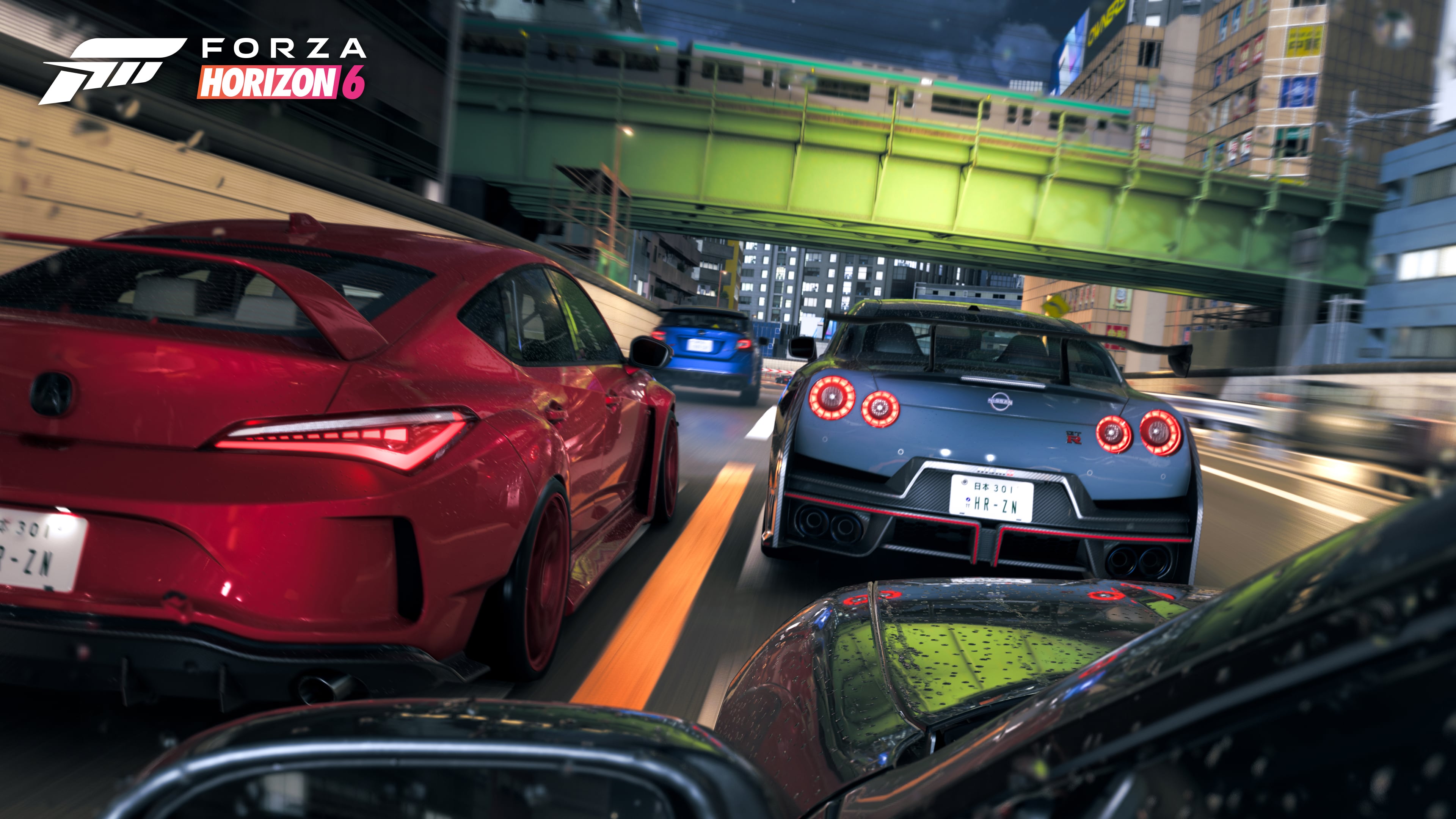
On the latest Official Xbox Podcast, Playground broke cover on several structural upgrades: custom player garages, deeper car culture systems, and a Tokyo that feels less like a backdrop and more like a living test bench.
Custom garages signal a shift toward stronger player identity. Instead of cars existing as floating assets in a menu, they’re being anchored to physical spaces—personal hubs where tuning, collection curation, and social flexing converge. This is a subtle but powerful retention tool; players invest more when their collection feels spatial and shareable.
The mention of a towering mechanical titan on the skyline hints at Horizon’s trademark spectacle being re‑contextualized within Japanese pop‑culture iconography. Expect seasonal events and live‑ops beats to revolve around that mega‑structure, blending festival chaos with kaiju‑scale setpieces. For live‑service planning, that’s a clear anchor: a visible, in‑world totem you can keep re‑theming over time.
Prologue as Tech Test: Lighting, Traffic, and Choreography
The prologue gameplay broadcast paints Forza Horizon 6 as a next‑gen automotive testbed. Upgraded lighting pipelines, denser traffic choreography, and cinematic route scripting all point to a team using the opening minutes as a systems showcase.
The density of traffic, in particular, is an under‑discussed technical flex. More vehicles on screen at higher speeds in a complex city grid stress everything from streaming budgets to AI decision‑making. If Playground can keep frame‑rates stable while pushing that level of chaos, it won’t just be a win for players—it will be a benchmark for open‑world engine design.
GOTY‑Class or Franchise Plateau?
Watch: Transmitting Gameplay footage from the field: Horizon 6 prologue and systems overview
Industry chatter, including a recent VGC podcast, is already framing Forza Horizon 6 as a potential Game of the Year contender. The argument hinges on three vectors:
1. Franchise Momentum vs. Fatigue
Horizon has a track record of excellence—but also a risk of perceived sameness. Japan, with its built‑in car culture and visual drama, is the strongest possible antidote to that fatigue. The question is whether the new systems—seamless events, custom garages, denser cities—feel like evolution or just elaboration.
2. Live‑Ops Execution
Xbox leadership and Playground are openly describing Forza Horizon 6 as a continuously tuned machine. That transparency is refreshing, but it raises expectations. Consistent seasonal drops, meaningful progression updates, and responsive balance patches will determine whether this festival feels alive six months post‑launch.
3. Tech and Feel
If the physics, lighting, and traffic systems land as advertised, Forza Horizon 6 will set the bar for open‑world racing this generation. GOTY conversations increasingly reward strong identity and execution; a Japan‑set, drift‑friendly, frictionless racing playground with serious tech chops fits that bill.
Strategic Outlook
Forza Horizon 6 currently reads like a confident escalation rather than a risky reinvention. Japan isn’t just a new map; it’s a design constraint forcing Playground to refine density, flow, and feel. For players, that likely means the most explorable Horizon yet. For developers, it’s a live case study in maturing a blockbuster without losing the core fantasy.
Monitor upcoming dev diaries and technical breakdowns closely. If Playground can sustain this level of systems ambition through launch and into live‑ops, Forza Horizon 6 won’t just be another excellent racer—it will be the new default answer to "what should an open‑world driving game be in 2026?"
Sources and corrections
This archive entry does not have a verified article-source list. Images and video embeds alone are not evidence for every claim.
Found an error? Request a correction. Include the passage and a supporting source.
Your games, in one place
Keep up with Forza Horizon 6
Follow this game to collect its posts in your personal feed. Come back to see what you missed.
More to read about Forza Horizon 6
- Source-checked briefForza Horizon 6 adds limited-time 7-Eleven content
Forza Horizon 6’s limited-time Horizon Meets update adds a 7-Eleven-inspired storefront and themed Car Meet in the Nangan region. The update also includes themed customization items and an Autumn...