Automated archive / Forza Horizon 6
Forza Horizon 6 Pushes the Horizon Tech Stack Into Overdrive
Forza Horizon 6’s latest intel drop points to a denser open world, sharper handling, and a Toyota Land Cruiser deployed as a full-blown physics testbed. This isn’t just more content—it’s a methodical systems upgrade on one of racing’s most influential sandboxes.
AI-generated summary. This archive article does not have a current recorded source check. Check linked sources before relying on details. Editorial policy
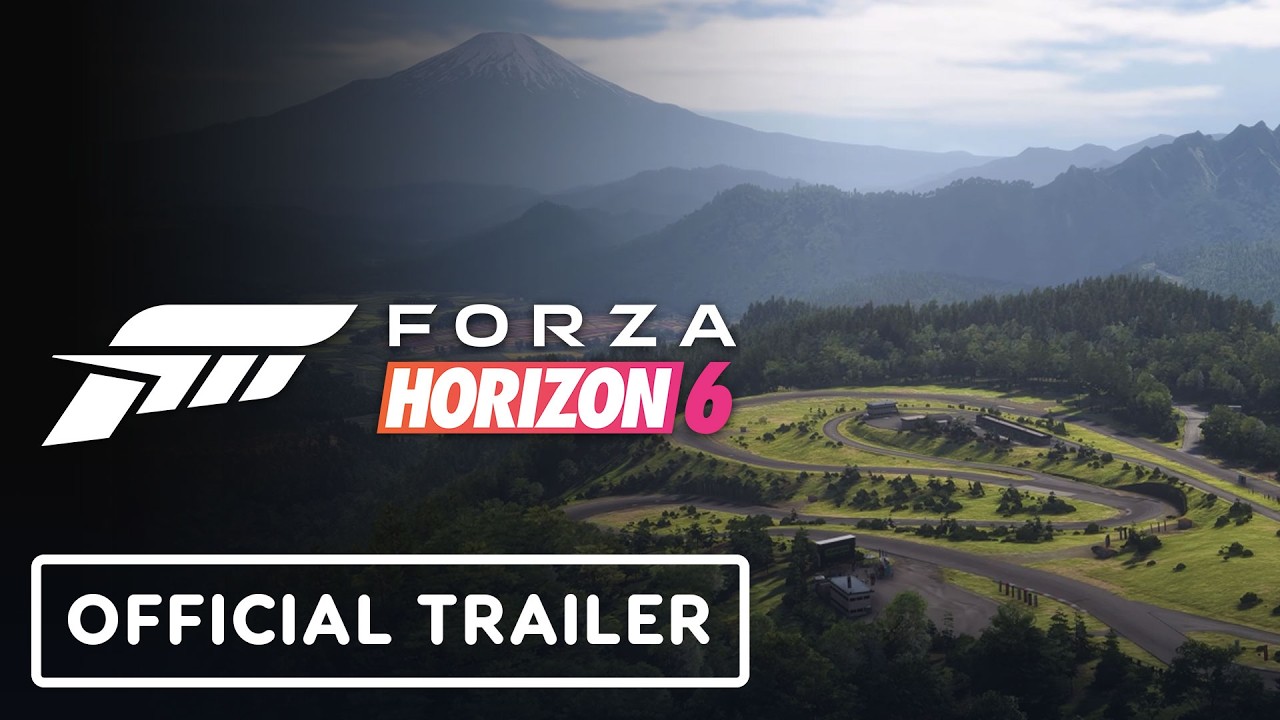
Sector Overview: Forza Horizon 6 Enters Systems Test Phase
Forza Horizon 6 is shifting from concept chatter to concrete telemetry. Over the last week, Playground Games has quietly entered a visible systems test phase: controlled gameplay drops, focused vehicle showcases, and a clear push to demonstrate that this isn’t just a content expansion over Forza Horizon 5, but a platform-level evolution. For #gamedev watchers and #indiegame teams studying open-world pacing, this is a high-value case study in iterative, data-driven sequel design.
The current intel package centers on three pillars:
- A denser, more reactive open world
- A refined handling and physics model
- Targeted hero-vehicle spotlights, led by the Toyota Land Cruiser
Open World Density: From Scenic Playground to Systemic Network
Recent IGN First gameplay drops show approximately nine minutes of uninterrupted driving across urban and coastal biomes. The most immediate change: density. Traffic, foliage, ambient structures, and micro-terrain details all appear more tightly packed than in Forza Horizon 5.
This suggests a design pivot from “beautiful emptiness” to “continuous decision space.” For open-world #gamedev, that’s a key signal: Forza Horizon 6 appears to be prioritizing:
- Higher encounter frequency – more traffic, more visual anchors, more reasons to adjust line and speed.
- Route readability – road camber, elevation, and surface transitions are visually telegraphed more clearly, which is critical at high velocity.
- Biome stitching – transitions between coastal roads, urban grids, and mixed terrain feel less like hard cuts and more like a continuous fabric.
For developers, this is a reminder that perceived world richness isn’t just about polygon count; it’s about how often the player is forced to re-evaluate risk, line choice, and speed.
Handling, Physics, and Visual Telemetry: Iterating on a Proven Codebase
Two separate field briefings in the activity feed call out revised handling, vehicle behavior under load, and upgraded visual telemetry. The language implies that Forza Horizon 6 isn’t rewriting its physics stack from scratch, but applying a surgical upgrade pass over the Forza Horizon 5 foundation.
Key observed shifts from the gameplay:
- Revised handling model – Vehicles appear to maintain high-speed stability while still allowing expressive oversteer and weight transfer. This is arcade-leaning, but with enough nuance to reward skill.
- Road feedback clarity – Surface changes (tarmac to dirt, wet to dry) are more readable through suspension movement and body roll, not just particle effects.
- Lighting and readability – Refined lighting makes brake points, track edges, and traffic silhouettes clearer at speed, which is crucial for competitive and streaming visibility.
From a #gamedev perspective, this is a textbook example of late-generation iteration: improve legibility, not just fidelity. Many #indiegame racing projects can learn from this—prioritize how clearly the game communicates physics changes to the player over raw graphical spectacle.

Toyota Land Cruiser: Hero Vehicle as Physics Testbed
The standout asset this week is the official Toyota Land Cruiser trailer, flagged in the feed as more than a cosmetic cameo. Playground appears to be using the Land Cruiser as a physics and systems testbed:
- High-torque, low-speed traversal across mixed biomes exposes how the engine handles grip loss, weight, and torque distribution.
- Suspension modeling is on full display—compression, rebound, and body lean under uneven loads provide a stress test that supercars on smooth asphalt simply can’t.
- Endurance routing implies longer off-road segments where fatigue, terrain variance, and damage visuals can be evaluated in extended sessions.
Forza Horizon has historically used hypercars and exotics as its marketing spearhead. Pivoting a Land Cruiser into a hero spotlight is a subtle but important signal: Forza Horizon 6 wants credibility in off-road and mixed-surface authenticity, not just top-speed fantasy.
For developers, this is a smart pattern: pick a single, mechanically interesting vehicle and use it as a public-facing benchmark for your systems. It educates your audience on what you’re actually improving—suspension, terrain interaction, stability—rather than just showing “more cars.”
Systems Coverage Strategy: Staged Intel, Not Full Deployment
The cadence of intel—focused gameplay slices, a dedicated Land Cruiser trailer, and commentary-led breakdowns—shows a deliberate communications strategy:
- Staged disclosures give Playground room to tweak handling and visuals between public builds while maintaining momentum.
- Thematic spotlights (like the Land Cruiser) allow deep dives into specific subsystems without overwhelming players with patch-note-style detail.
- Long-tail coverage via outlets like IGN First keeps Forza Horizon 6 in the conversation during the pre-launch window, crucial for SEO and platform visibility.
For #indiegame studios, this is a scalable template: you may not have IGN, but you can still structure your devlogs, Steam posts, and social drops around systems-first storytelling—“here’s how we changed handling,” not just “here’s a new trailer.”
Strategic Takeaways for Developers
Forza Horizon 6’s latest signals provide several actionable insights for developers across the spectrum:
- Iterate, don’t reset – Build on proven tech; target clarity and feel before chasing headline-grabbing overhauls.
- Use hero assets as testbeds – Whether it’s a Land Cruiser or a single prototype car in your #indiegame, make one vehicle the public face of your physics and handling progress.
- Design for density, not just size – A smaller but more reactive world often feels richer than a vast, underutilized map.
- Communicate like an engineer, not just a marketer – Explain what’s changing in systems terms; your most engaged players (and fellow devs) will respond.
As more Forza Horizon 6 coverage rolls out, the key question for the sector will be whether these systemic improvements meaningfully change player behavior—or simply make the existing Horizon loop look and feel sharper. For now, the telemetry points to a confident, data-driven evolution of one of racing’s most important sandboxes.
Sources and corrections
This archive entry does not have a verified article-source list. Images and video embeds alone are not evidence for every claim.
Found an error? Request a correction. Include the passage and a supporting source.
Your games, in one place
Keep up with Forza Horizon 6
Follow this game to collect its posts in your personal feed. Come back to see what you missed.
More to read about Forza Horizon 6
- Source-checked briefForza Horizon 6 adds limited-time 7-Eleven content
Forza Horizon 6’s limited-time Horizon Meets update adds a 7-Eleven-inspired storefront and themed Car Meet in the Nangan region. The update also includes themed customization items and an Autumn...