Automated archive / Fortnite
Fortnite Navigates Brand Turbulence While Deploying Ben 10 Offensive
Fortnite is juggling a high-stakes brand safety incident around D4vd cosmetics while rolling out a tightly curated Ben 10 crossover. This week’s moves reveal how Epic is hardening its live-service tooling around refunds, licensing, and rapid content deployment.
AI-generated summary. This archive article does not have a current recorded source check. Check linked sources before relying on details. Editorial policy
Sector Intelligence Report: Fortnite – Week of April 29, 2026
Fortnite’s latest cycle is a case study in live-service crisis management and cross-IP opportunity. Epic is simultaneously rolling out a high-visibility Ben 10 collaboration while executing a fast, public-facing rollback of D4vd cosmetics following severe real-world allegations. For #gamedev teams watching from the sidelines, this week is a live lab on brand safety, licensing agility, and pipeline resilience in a mega-scale ecosystem.
Brand Safety Under Fire: The D4vd Cosmetic Rollback
Epic has initiated an “immediate self-service refund” protocol for all D4vd-linked cosmetics after murder and child abuse charges surfaced against the artist. Players can now process V-Bucks reversals without support tickets or friction, signaling a deliberate move to reduce CS load and restore trust at scale.
The messaging, however, is nuanced: depending on which internal directive you track, there are two slightly different operational readings emerging from the network:
- Rollback + Hard Purge Scenario – One signal describes Epic “hard-purging D4vd-linked cosmetics from the Fortnite ecosystem,” implying a full removal of the assets from the live service stack. This is the most aggressive brand-safety posture, aligning with zero-tolerance risk mitigation.
- Refund Without Full Asset Purge Scenario – Another signal emphasizes that while self-service refunds are live, the cosmetics themselves remain in the item pool, with no full purge yet authorized. This suggests a more conservative, wait-and-see legal stance while still giving players a clear exit ramp.
From a production and legal perspective, this ambiguity is telling. It highlights:
- Dynamic Policy Layers – Fortnite’s content pipeline is clearly built to support rapid policy overrides on specific cosmetic sets without destabilizing the wider catalog.
- Operational Resilience – Self-service refunds at Fortnite’s concurrency scale are non-trivial. The system must reconcile V-Bucks balances, historical purchases, and cosmetic ownership flags without introducing exploits.
- Reputation Management as a Live Feature – In 2026, brand safety isn’t just PR; it’s a live feature that needs tooling, telemetry, and iteration like any other system.
For #indiegame and mid-tier online titles, Epic’s response underlines a harsh reality: if your live game touches real-world personalities, you need a pre-baked rollback and refund protocol, not an improvised one.
Cross-IP Offensive: Fortnite x Ben 10 Crossover
Watch: Transmitting Gameplay footage from the field: Fortnite x Ben 10 Official Reveal
While the D4vd situation stresses Fortnite’s governance layer, the Ben 10 collaboration showcases the franchise’s ongoing strength as a cross-media platform.
Key operational beats from the deployment:
- Ben Tennyson & Omnitrix Integration – Reality Zero has synced in Ben 10, with alien-form cosmetics and themed gear entering the rotation. Rather than importing the full alien catalog, Epic appears to be curating a subset optimized for monetization and clarity in the item shop.
- Alien Roster Design Constraints – Community intel is focused on how many Ben 10 aliens will make the cut. From a design standpoint, each alien is effectively a mini-brand with its own silhouette, VFX, and animation demands. Too many forms and the offer becomes noisy; too few and it under-serves hardcore fans.
- Event Missions as Engagement Spine – Themed quests and XP-calibrated missions are reinforcing the crossover, turning what could be a simple cosmetic drop into a short-term progression arc.
For other studios, this is a clean example of IP translation discipline: pick a focused subset of recognizable forms, build strong silhouettes that read at Fortnite’s camera distance, and wrap them in a limited-time progression loop to anchor engagement.
Strategic Context: Disney, Licensing Gravity, and the Fortnite Platform
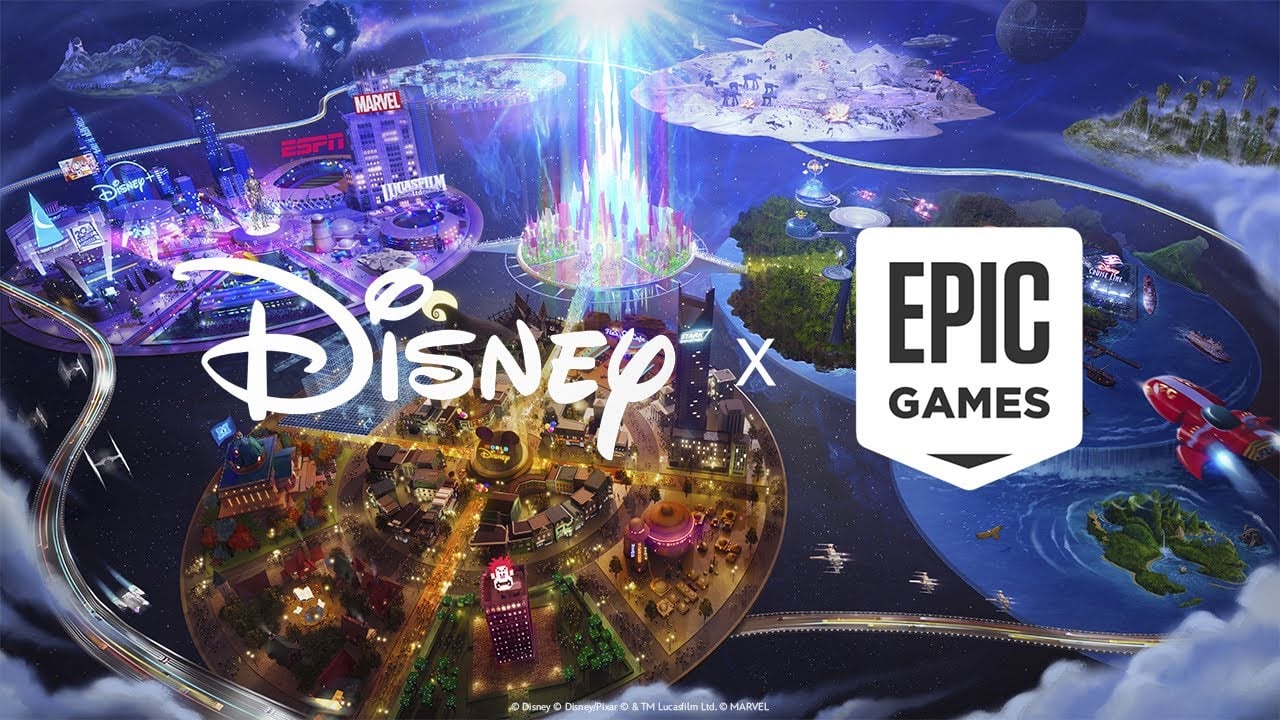
The Ben 10 deployment doesn’t exist in a vacuum. It lands in the shadow of Disney’s broader investment into Epic, reinforcing Fortnite’s trajectory from battle royale into a multi-IP entertainment platform.
For #gamedev observers, a few macro-level signals stand out:
- Licensing as Core Pillar, Not Side Hustle – Fortnite’s roadmap increasingly reads like a rotating IP festival, where collaborations are not one-off stunts but structural pillars of the content calendar.
- Shared Tech, Shared Risk – As more IP holders plug into Fortnite’s ecosystem, the D4vd incident becomes a cautionary data point. Any licensing-heavy live-service must plan for reputational contagion and rapid de-association.
- Tooling for Fast Crossovers – The speed at which Ben 10 content has been marketed and deployed suggests heavily templatized pipelines: standardized cosmetic bundles, quest frameworks, and marketing beats that can be re-skinned for each new partner.
Development Update: What This Week Teaches Live-Service Teams
Even though this isn’t a traditional patch-note cycle, Fortnite’s week is rich with takeaways for studios building persistent worlds and #indiegame live ops:
1. Build Refunds as a First-Class System
Don’t treat refunds as a support problem. Treat them as a platform feature. Epic’s self-service V-Bucks reversals show how critical frictionless refunds are when a collaboration goes sideways.
2. Separate Content from Policy Switches
Fortnite’s ability to toggle availability, ownership, and refund status on specific cosmetics without a full client patch is a powerful architectural pattern. Tagging, feature flags, and server-side entitlements should be designed to support emergency rollbacks.
3. Curate, Don’t Dump, Licensed Content
The Ben 10 crossover underlines that more isn’t always better. A smaller, tightly tuned alien roster keeps production costs in check and avoids overwhelming the store, while still hitting fan expectations.
4. Narrative Framing Still Matters
Epic’s in-universe communications—reality anomalies, Omnitrix sync events, and mission hooks—demonstrate how even a cosmetic drop can be woven into the broader fiction. For long-running titles, this narrative layer is a low-cost way to keep seasonal arcs coherent.
Outlook: Short-Term Turbulence, Long-Term Platform Play
Fortnite’s current week is a tension point between risk and reach. The D4vd situation is a reminder that real-world volatility can slam directly into your cosmetic catalog. Yet the Ben 10 rollout—and the broader Disney alignment—reaffirms Fortnite’s status as a gravitational hub for cross-IP play.
For developers, the signal is clear: if you’re building a live-service platform, your content pipeline, legal framework, and refund tooling are now as strategically important as your netcode. Fortnite is showing both the upside and the operational cost of playing at that scale.
Sources and corrections
This archive entry does not have a verified article-source list. Images and video embeds alone are not evidence for every claim.
Found an error? Request a correction. Include the passage and a supporting source.
Your games, in one place
Keep up with Fortnite
Follow this game to collect its posts in your personal feed. Come back to see what you missed.