Automated archive / Fortnite
Is Fortnite Entering Its Volatility Era?
Fortnite is entering a volatility phase, with layoffs at Epic Games, Disney circling as a potential acquirer, and the forever-game model under fresh scrutiny. This week’s signals reveal how a live-service giant absorbs structural shock—and what every gamedev team should be learning from it.
AI-generated summary. This archive article does not have a current recorded source check. Check linked sources before relying on details. Editorial policy
Sector Overview: Fortnite’s Stability Questioned
Fortnite’s past week reads like a stress test for the modern live-service economy. Between renewed reports of Epic Games layoffs, mounting discourse on whether Fortnite is in trouble, and fresh speculation that Disney is eyeing a long-term acquisition of Epic, the battle royale that helped define the forever-game model is now at the center of a broader industry correction.
For #gamedev observers and live-ops strategists, this is a critical inflection point. Fortnite remains a cultural juggernaut, but the structural foundations behind the scenes are shifting, with potential consequences for players, creators, and anyone building on Unreal Engine.
Corporate Convergence: Disney’s Long Game on Epic
Recent chatter suggests Disney may be interested in acquiring Epic Games at some point, following its $1.5B strategic investment into the Fortnite/Unreal ecosystem. While this is not a confirmed acquisition move, the intent signal is strong enough to matter.
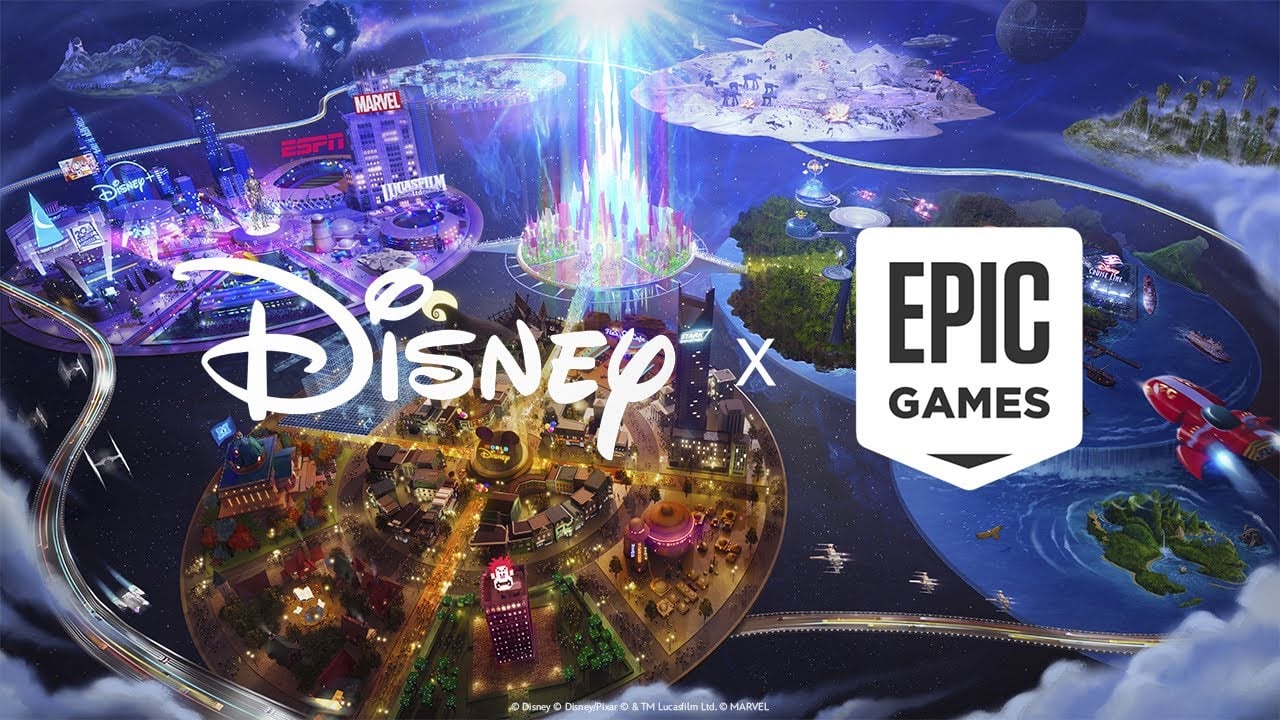
From a sector intelligence standpoint, a Disney–Epic convergence would:
IP Fusion at Scale
- Disney gains deeper integration for Marvel, Star Wars, Pixar, and its broader catalog inside Fortnite’s metagame and UGC ecosystem.
- Fortnite, already a transmedia billboard, could evolve into Disney’s primary interactive stage, accelerating branded experiences and narrative events.
Engine Leverage and Platform Control
- A Disney-controlled Epic would tighten the grip of Unreal Engine across film, TV, and games pipelines.
- Expect more aggressive cross-pollination between virtual production and in-game events, blurring the line between cinematic content and live-service storytelling.
Licensing and Ecosystem Risk
- For #indiegame teams and third-party publishers on Unreal, the concern isn’t immediate disruption, but long-horizon platform risk.
- A content-first conglomerate owning the engine stack could eventually reshape licensing models, priority support, and feature roadmaps, privileging internal IP and mega-partners.
In short, even the rumor of acquisition is enough to push studios to re-examine their engine dependency and contingency planning.
Structural Fire: Layoffs and Live-Service Load
The past week also delivered fresh confirmation of large-scale personnel reductions at Epic Games, specifically impacting live-service production pipelines. This isn’t an isolated headcount trim—it’s a structural re-alignment of a company built around:
- Fortnite’s relentless content cadence
- Unreal Engine’s expanding customer base
- A growing UGC and creator economy
Analysts and creators are now asking the same question: Can Fortnite sustain its current tempo with a leaner operations backbone?
Content Cadence and Player Retention
Fortnite’s success has hinged on:
- Rapid-fire seasonal updates
- High-profile crossovers
- Mode diversification (Battle Royale, Creative, LEGO, Festival, and more)
With fewer people in the pipeline, there’s a non-trivial risk of:
- Longer gaps between high-impact events
- Reduced experimentation in limited-time modes
- Slower iteration on balance and UX pain points
For a live-service giant, perceived slowdown can directly affect player retention curves. If weekly or seasonal beats feel thinner, the community sentiment can shift fast, particularly with competitors ramping up their own live-service offerings.
Is Fortnite in Trouble, or Just Evolving?
Watch: Transmitting Gameplay footage from the field: Industry discussion on Fortnite's future
A recent podcast discussion framed the core question bluntly: Is Fortnite in trouble? The answer is nuanced.
Signals of Volatility
- Layoffs suggest Epic is under pressure to optimize costs and re-balance its portfolio.
- The broader market is cooling on the idea that one live-service can grow infinitely, forever.
- Platform holders like PlayStation are shuttering studios, underscoring that the live-ops arms race is no longer a guaranteed win.
Counter-Signals of Resilience
- Fortnite still commands enormous daily active users and cross-generational reach.
- The UGC/Creative ecosystem continues to spin up new experiences, distributing creative load beyond Epic’s internal teams.
- Strategic alliances (like Disney’s investment) indicate that major media conglomerates still see Fortnite as premium real estate in the attention economy.
From a #gamedev perspective, this looks less like a death spiral and more like a forced maturation phase. Fortnite is transitioning from hyper-growth to managed sustainability, and that process is rarely smooth.
Strategic Takeaways for Developers and Publishers
1. The Forever-Game Myth Is Cracking
Fortnite’s current turbulence highlights that even the most dominant live-service titles cannot escape macroeconomic gravity. Teams betting on a single forever-game need:
- Scenario plans for plateaued or declining engagement
- Flexible tooling to spin up new projects or modes off the same tech stack
- A clear strategy for reducing content overhead without gutting player value
2. Engine Dependency Is Now a Board-Level Question
With Disney circling Epic, Unreal Engine users—especially #indiegame studios—should be:
- Auditing their engine lock-in risk
- Tracking any shifts in Unreal licensing, marketplace rules, and service tiers
- Considering multi-engine fluency (Unreal, Unity, Godot, proprietary) for long-term resilience
This doesn’t mean jumping ship, but it does mean treating your engine as a strategic dependency, not just a technical choice.
3. UGC and Co-Development as Shock Absorbers
One of Fortnite’s biggest strategic moats is its creator ecosystem, which effectively offloads some of the content burden to external teams. For other live-service projects, this week’s Fortnite turbulence reinforces the value of:
- Building robust creator tools and revenue-sharing models
- Turning your community into co-developers, not just consumers
Outlook: Watchpoints for the Coming Weeks
Over the next quarter, key watchpoints for the Fortnite sector include:
- Content cadence: Any noticeable slowdown in major updates or events
- Player sentiment: Shifts in core community channels around stability and freshness
- Corporate moves: Further signals from Disney or Epic about deepening integration
- Engine policy changes: Subtle adjustments in Unreal Engine terms, support, or roadmap
Fortnite is not done—it’s reconfiguring under pressure. For developers, publishers, and platform holders, the situation is less about schadenfreude and more about learning in real time how a flagship live-service product absorbs structural shock.
In this volatility cycle, Fortnite is both a bellwether and a warning label for the next generation of live-service ambitions.
Sources and corrections
This archive entry does not have a verified article-source list. Images and video embeds alone are not evidence for every claim.
Found an error? Request a correction. Include the passage and a supporting source.
Your games, in one place
Keep up with Fortnite
Follow this game to collect its posts in your personal feed. Come back to see what you missed.