Automated archive / Fortnite Save the World
Fortnite Save the World Drops the Gate and Re-Arms Its PvE Warfront
Fortnite Save the World has finally gone fully free-to-play, reopening Epic’s long-running PvE front to the entire Fortnite ecosystem. Behind the headline is a systemic relaunch built on trap killboxes, class synergy, and a renewed push for narrative-driven retention.
AI-generated summary. This archive article does not have a current recorded source check. Check linked sources before relying on details. Editorial policy
Strategic Overview: PvE Frontline Goes Fully Open
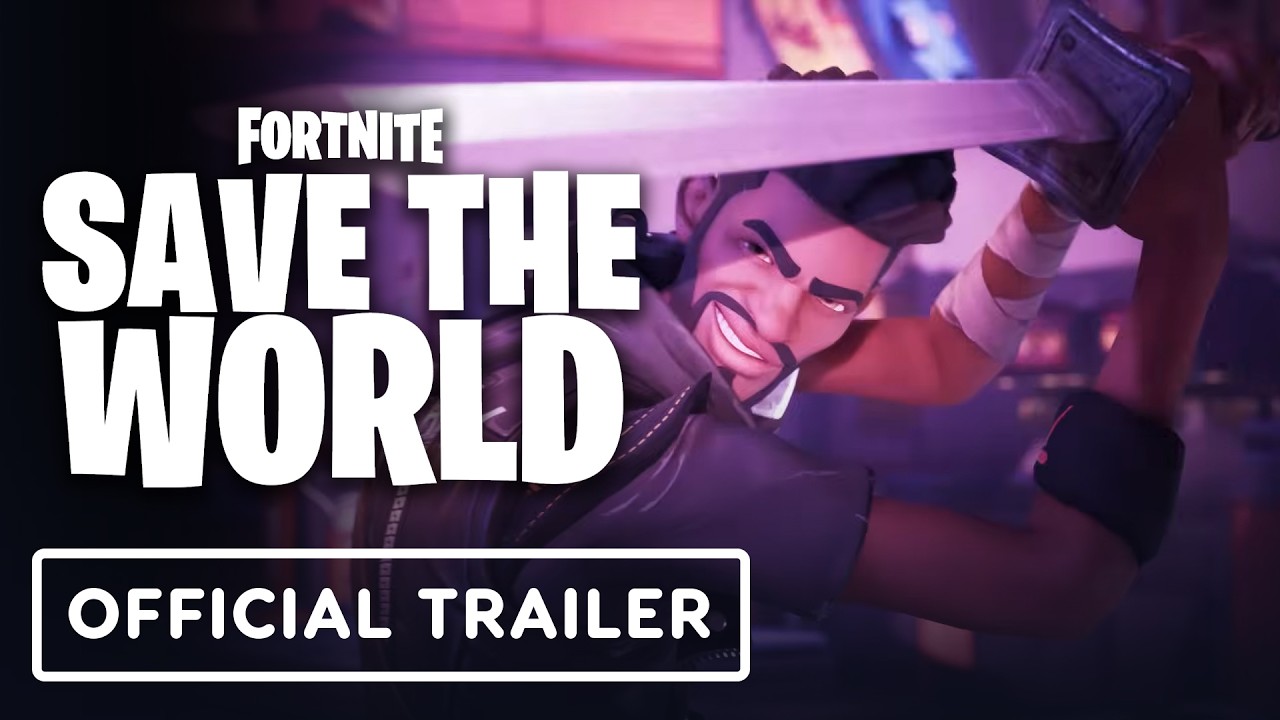
Fortnite Save the World has finally crossed a line it’s flirted with for years: the co-op PvE mode is now fully free-to-play. The premium barrier is gone, and with it, Epic has effectively rebooted the mode’s relevance inside the wider Fortnite ecosystem. For #gamedev and systems-minded players, this isn’t just a monetization flip—it’s a live-service relaunch with design, economy, and onboarding implications that will ripple through the game’s PvE sector for months.
Two core shifts define this week’s intel: open access for new recruits and a renewed push on narrative and class identity. Combined with long-standing trap-and-fortification mechanics, Save the World is repositioning itself as a systemic sandbox of killboxes, hero synergies, and evolving storm fiction rather than a forgotten side mode.
F2P Deployment: Economy Shock and Playerbase Surge
The free-to-play pivot instantly reframes Save the World’s design priorities. What used to be a gated PvE experience is now a low-friction funnel for curious Battle Royale players, co-op fans, and #indiegame designers studying long-tail live ops.
From a systems perspective, expect three immediate consequences:
1. Loot Economy Volatility
An influx of new players means more hands reaching into the same reward tables. Early-game drops, schematic progression, and resource acquisition rates will be under intense scrutiny. If Epic wants to keep F2P recruits engaged, it must balance:
- Early dopamine hits: fast access to meaningful traps and weapons.
- Long-term chase: rarity tiers and optimized builds that still feel aspirational.
Any misalignment here will surface quickly in community chatter—especially around grind, pay friction, and time-to-power.
2. Co-op Matchmaking and Role Density
Four-player fireteams are now the default testing ground for squad composition. With more randoms in the pool, the design burden shifts toward:
- Making each class readable at a glance.
- Ensuring that even suboptimal comps can still muddle through lower-tier content.
- Rewarding squads that lean into synergy without hard-locking progression behind meta picks.
3. Retention Through Systems, Not Just Cosmetics
Cosmetics are table stakes in Fortnite, but Save the World’s retention loop leans heavily on systemic engagement: base-building, trap theorycrafting, and hero loadout optimization. The F2P shift raises a pointed design question: can the PvE layer stand on its own, or will it rely on Battle Royale as a content and cosmetic feeder line?
Trap Meta: Killboxes as a Design Language
This week’s activity feed highlights a core truth about Fortnite Save the World: the real endgame isn’t just better guns—it’s better geometry.
Field reports emphasize layered killboxes along chokepoints, ramps, and tunnels. From a design lens, this is where Save the World quietly becomes a masterclass in systemic level play:
- Ceiling, wall, and floor traps create multi-axis damage zones.
- Funneling and elevation control turn every mission into a puzzle of pathing and pressure.
- Ammo conservation pushes players to treat traps as their primary DPS and guns as tactical tools.
For #gamedev observers, this is a compelling case study: Epic uses cheap, easily readable components (traps, tiles, and husk pathfinding) to generate complex emergent behavior. The result is a PvE experience where “building” is not cosmetic—it’s the combat system.
Class Archetypes: Four Pillars of PvE Identity
Watch: Transmitting Gameplay footage from the field: Official Hero Classes Systems Briefing
Epic’s own hero class briefing underlines the four archetypes anchoring Save the World’s combat design: Soldier, Constructor, Ninja, and Outlander. Each is tuned to a specific axis of the PvE problem space:
Soldier – Ranged Suppression and Crowd Control
The Soldier is the baseline combat read: rifles, grenades, and sustained DPS. Design-wise, this class is the onboarding vector for shooter-first players migrating from Battle Royale. Soldiers stabilize lanes, thin waves, and buy time for traps to work.
Constructor – Infrastructure and Damage Amplification
Constructors are the backbone of the fortification meta. Their kits lean into:
- Cheaper, tougher structures.
- Abilities that reinforce or buff built defenses.
- Synergies with trap-heavy lanes and choke designs.
In practice, they embody the game’s core fantasy: turning a random patch of terrain into a mathematically perfect murder corridor.
Ninja – Mobility, Melee, and Flank Disruption
Ninjas are high-risk, high-reward melee specialists. They exploit verticality and side routes, punishing special husks and high-priority threats that slip past the main firing lanes. From a design standpoint, they keep moment-to-moment gameplay kinetic and prevent the mode from devolving into pure turret defense.
Outlander – Resource Extraction and Utility
Outlanders are the economy class. Their real power lies in resource acceleration: faster farming, better loot, and utility abilities that smooth the long-term progression curve. In a newly F2P environment, Outlanders are the quiet MVPs of sustainable play, helping squads fuel trap-heavy strategies without burning out on grind.
Narrative Systems: Story as a Strategic Retention Layer
Epic’s narrative teaser for Fortnite Save the World signals that story is back on the roadmap, not just as flavor text but as a retention mechanic. Mission briefings, character-driven objectives, and evolving storm intel all serve a dual function:
- Player-facing: They give context to the endless defense, escort, and extraction loops.
- Design-facing: They create a scaffold for introducing new mechanics, enemy types, and mission variants without feeling arbitrary.
For developers watching from the outside, this is a live example of how to retrofit narrative into a long-running system: use story beats as delivery vehicles for new rules and toys, not just cutscenes.
What This Means for Designers and Players
For players, Fortnite Save the World’s new F2P status is a low-risk invitation to a surprisingly deep PvE sandbox. For designers and #indiegame teams, it’s a living lab on how to:
- Integrate building directly into combat systems.
- Balance class roles in four-player co-op.
- Use economy, narrative, and systems design to re-launch a mature product.
The stormfront is open, the gate is down, and the PvE sector is live again. The next few months will reveal whether Save the World can convert this free-to-play surge into a sustained second life—or if it becomes another case study in how hard it is to truly reboot a live-service mode.
Sources and corrections
This archive entry does not have a verified article-source list. Images and video embeds alone are not evidence for every claim.
Found an error? Request a correction. Include the passage and a supporting source.
Your games, in one place
Keep up with Fortnite Save the World
Follow this game to collect its posts in your personal feed. Come back to see what you missed.