Automated archive / Final Fantasy VII Revelation
Final Fantasy VII Revelation Locks In a Unified 2027 Offensive
Final Fantasy VII Revelation has emerged from the Lifestream with a clear mandate: a unified, cross-platform launch in Spring 2027 and a renewed push into cinematic, system-rich JRPG design. This week’s sector intel breaks down the global release strategy, combat signals, and what Revelation means for players and...
AI-generated summary. This archive article does not have a current recorded source check. Check linked sources before relying on details. Editorial policy
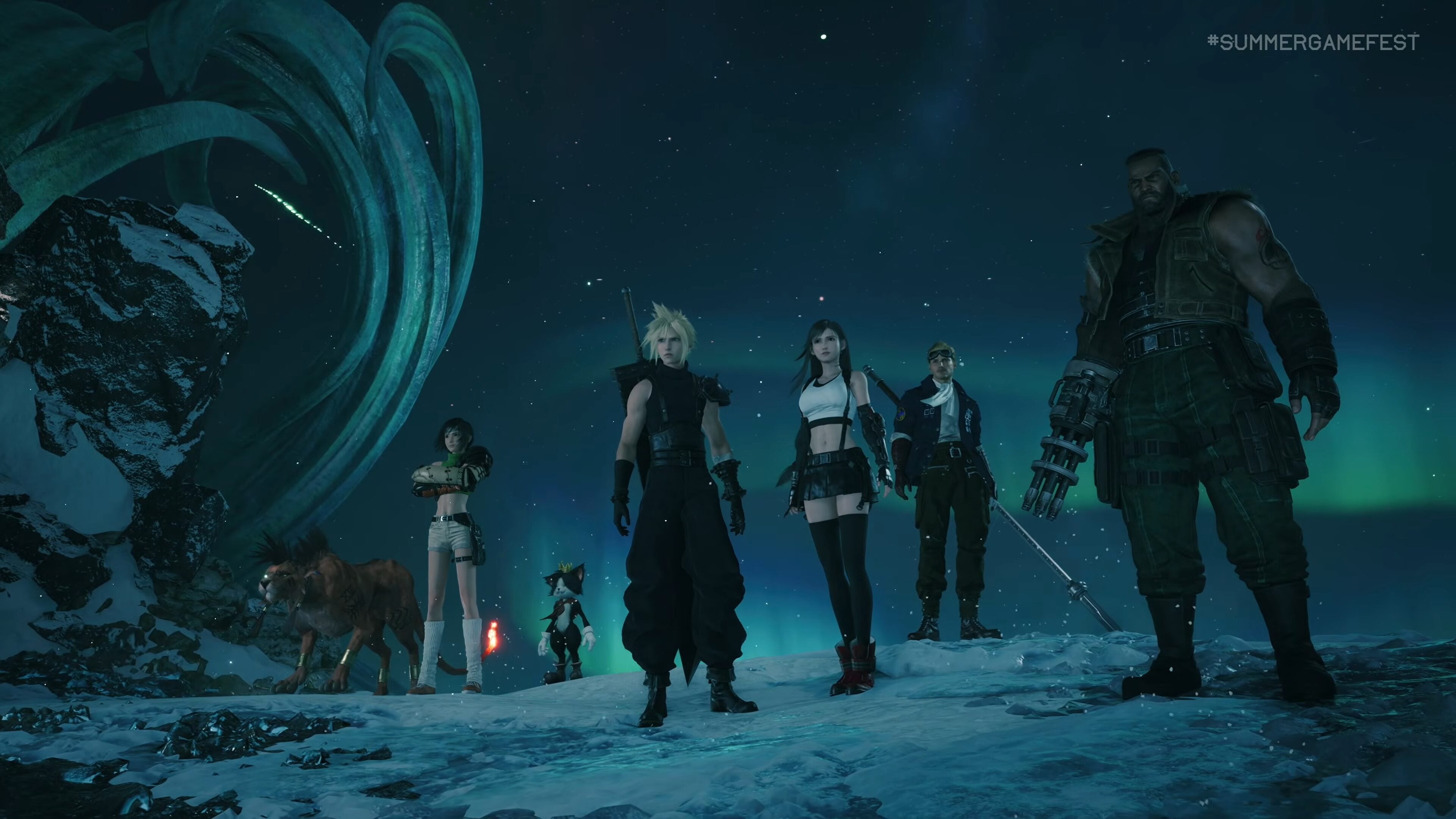
Sector Intelligence Report // Final Fantasy VII Revelation
Square Enix has pushed the next phase of its remake offensive out of the Lifestream and into clear tactical view. Final Fantasy VII Revelation—the confirmed third entry in the modern FF7 saga—has surfaced with a reveal trailer, a synchronized multi-platform launch plan, and a defined Xbox Spring 2027 deployment window. This week’s intel is less about vague promises and more about concrete operational parameters that both players and #gamedev teams can start planning around.
Global Synchronized Launch: No More Staggered Fronts
The most significant strategic shift is the confirmation that Final Fantasy VII Revelation will launch simultaneously across all major platforms. After years of timed exclusivity patterns, Square Enix is pivoting to a single, unified global drop:
- No staggered releases between console ecosystems.
- No region-based delay windows.
- A coordinated content surge that benefits streaming, coverage, and community theorycrafting.
For players, that means spoiler containment and communal discovery happen in real time. For creators and #indiegame devs watching from the sidelines, this is a textbook case in maximizing day-one critical mass: marketing beats, influencer pipelines, and backend infrastructure all converge on a single date. Expect platform holders to treat this like a tier-one cultural event, not just another RPG launch.
Xbox Spring 2027: Tactical Window Confirmed
The activity feed locks in a Spring 2027 launch window for Xbox, within that global rollout. From an ecosystem standpoint, this signals:
- Microsoft is fully in the JRPG long game, aligning its hardware roadmap and subscription strategy around high-visibility, narrative-heavy titles.
- Square Enix is optimizing for cross-platform parity, likely pushing stable performance targets and feature consistency across the board.
For development observers, the timing suggests that Revelation’s production is deep into content lock and polish, not core experimentation. The team is now in the phase where:
- Cinematic pipelines are tuned for high-density story payloads.
- Combat systems are being refined for "maximum impact" encounter design, with iteration focused on feel, clarity, and spectacle.
- Tooling and engine branches are likely stabilizing to support certification across multiple platforms in parallel.
Design Signals: Reimagined Encounters and Fractured Fate
The intel feed describes “classic heroes, new fractures in fate, and high-grade cinematic ops”—language that reinforces what the Remake project has been building toward: a meta-textual rewrite of FF7’s canon rather than a straight retelling.
Key takeaways from the current signals:
- Reimagined encounters: Expect boss fights and set-pieces that rhyme with the original FF7 but are rebuilt to exploit modern systems—multi-phase battles, environmental interaction, and more aggressive AI scripting.
- Dense story payloads: Narrative density is likely to spike. Revelation appears poised to tackle the heaviest lore beats yet, meaning more cutscene-to-combat interleaving and more reliance on cinematic language to convey the consequences of altered fate.
- Combat tuned for maximum impact: The combat team seems locked in on hybrid action-ATB pacing. Watch for:
- Tighter responsiveness in character swaps.
- Expanded materia and synergy options to support expressive builds.
- Encounter design that forces players to engage with systems instead of stat-checking their way through.
From a #gamedev perspective, Revelation is a live case study in iterative sequel design: reuse of proven systems from Remake and Rebirth, layered with new content and tuning rather than wholesale reinvention.
Systems and Progression: Materia Grids and Party Logistics
The feed’s emphasis on "rechecking your materia grid" and "extended character builds" suggests that progression depth will remain a core pillar:
- Materia as build identity: Expect more specialized materia combinations that unlock unique roles or team synergies, increasing the number of viable party archetypes.
- Long-form character arcs: With Revelation positioned as a late-stage entry in the saga, character builds will likely reflect narrative evolution—skills and limit breaks that visually and mechanically mirror story growth.
- Logistical play: The language of "commanders" and "squad leaders" hints at a meta-layer of planning: loadouts, encounter scouting, and potentially more advanced difficulty modes that reward system mastery.
For smaller #indiegame studios, this is a reminder that buildcraft and progression clarity can carry a long-form RPG as much as raw content volume. Revelation is leaning on familiar verbs—equip, optimize, refine—but making them feel fresh through presentation and encounter design.
Cinematic Ops: The Visual and Audio War Machine
The trailer positioning as “high-grade cinematic ops” underscores how central filmic storytelling has become to the FF7 Remake initiative:
- Steel canyons of Midgar and beyond are being treated as cinematic stages, not just traversal hubs.
- Camera work, animation blending, and VFX pipelines are converging to make combat and narrative feel like a continuous feed rather than isolated modes.
- Audio design—especially leitmotif callbacks and adaptive scoring—is likely to be weaponized for emotional payoff, especially as Revelation leans into its fate-fracturing premise.
For the broader development community, Revelation is a benchmark in cinematic integration at scale: how far you can push cutscene fidelity and emotional nuance without losing mechanical clarity or pacing.
Strategic Outlook
With final fantasy vii revelation now openly named, date-banded, and platform-synchronized, the operation is entering its decisive phase. The message from Square Enix is clear: this isn’t just the continuation of a remake; it’s the culmination of a multi-year experiment in rewriting a genre-defining classic in real time.
As Spring 2027 approaches, watch for:
- Deeper combat breakdowns and system showcases.
- Platform-specific performance and feature disclosures.
- Expanded narrative teases that clarify just how far those "fractures in fate" really go.
For players, it’s time to start planning your party compositions and content schedules. For developers, Revelation is shaping up to be one of the most instructive large-scale RPG productions of this cycle—both as a creative work and as a cross-platform deployment blueprint.
Sources and corrections
This archive entry does not have a verified article-source list. Images and video embeds alone are not evidence for every claim.
Found an error? Request a correction. Include the passage and a supporting source.
Your games, in one place
Keep up with Final Fantasy VII Revelation
Follow this game to collect its posts in your personal feed. Come back to see what you missed.
More to read about Final Fantasy VII Revelation
- Source-checked briefFinal Fantasy VII Revelation set for PS5 in April 2027
Final Fantasy VII Revelation is scheduled to launch for PlayStation 5 on April 8, 2027. A Tokyo Game Show demo previewed new playable party members and the FITS equipment system. The game is...