Automated archive / Fatal Fury: City of the Wolves
Nightmare Geese, Cross-Franchise Ops, and the New Meta of Fatal Fury: City of the Wolves
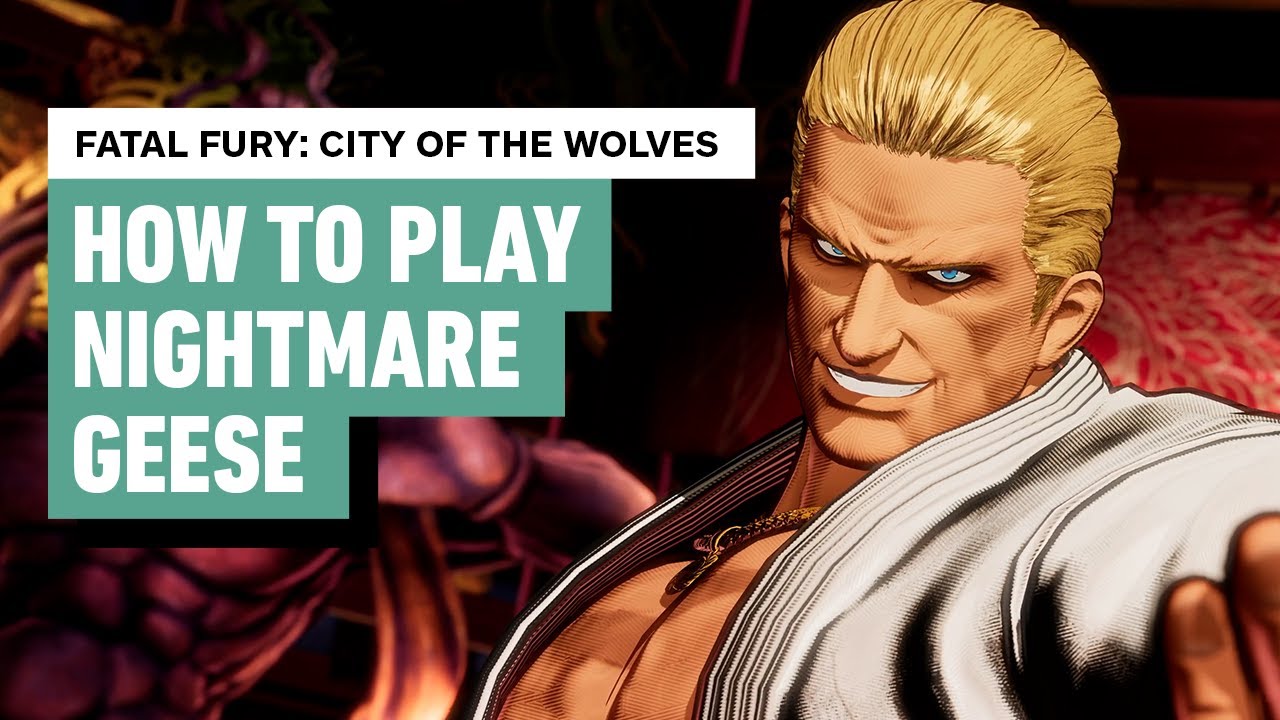
Nightmare Geese has officially entered the Fatal Fury: City of the Wolves combat pipeline, bringing boss-tier pressure and a volatile new meta to South Town. Layer that with a high-impact Street Fighter collaboration, and SNK’s pre-launch strategy is shaping up to be as aggressive as its roster.
AI-generated summary. This archive article does not have a current recorded source check. Check linked sources before relying on details. Editorial policy
Weekly Sector Overview
Fatal Fury: City of the Wolves is deep in pre-launch escalation, and this week’s telemetry is all about pressure: pressure from a boss-tier menace entering the roster, and pressure from a cross-franchise incursion that pulls Street Fighter legends straight into South Town. For #gamedev analysts, this is a textbook case of how to weaponize legacy IP, tune difficulty curves, and keep a competitive community buzzing before release.
This Sector Intelligence Report parses three primary signals: the Nightmare Geese deployment, early meta breakdowns from the lab, and the high-visibility Street Fighter collaboration that reframes the game’s launch runway.
Nightmare Geese Enters the Combat Pipeline
Nightmare Geese isn’t just another roster addition; he’s a statement of intent for fatal fury: city of the wolves. SNK is importing the psychological weight of a classic SNK boss into a modern competitive framework, and that has implications for onboarding, balance, and long-term ranked health.
Trailer footage frames him as a high-pressure, rushdown-centric threat: explosive strings, oppressive corner carry, and classic Reppuken control to lock down horizontal space. From a systems perspective, this leans into a familiar SNK design philosophy—overclocked power gated by execution and risk.
Watch: Transmitting Gameplay footage from the field: Official Nightmare Geese Character Trailer
For #gamedev observers, this is a live example of how to modernize a legacy boss archetype:
Boss DNA, Player-Usable Toolkit
- High-risk, high-reward spikes: Many of Nightmare Geese’s tools appear front-loaded with unsafe frames on block, but pay out with brutal juggles on hit.
- Screen-control identity: Reppuken variants and long-reaching normals maintain his classic zoning-into-rushdown rhythm.
- Visual clarity: Telegraphs are readable, but the cadence of his offense is designed to overwhelm underprepared players.
This is the kind of character that can distort early meta data if not monitored, but also one that drives engagement—players want to lab him, counter him, and flex with him on launch.
Pre-Launch Systems Scan: Early Nightmare Geese Meta
Community field reports and early breakdowns already treat Nightmare Geese as a lab monster’s playground. The emerging narrative: he’s execution-heavy, but terrifying in the right hands.
Key meta-relevant signals:
1. Corner Routing and Juggle Economy
Early guides highlight optimized corner routes that convert stray hits into high-damage sequences. This is where his “boss” heritage shows: once he gets you to the wall, the risk-reward curve tilts sharply in his favor.
- Strengths: Explosive damage, strong oki, and layered strike/throw threats after knockdowns.
- Trade-off: Many of these routes appear meter- or timing-dependent, which protects against low-skill dominance.
2. Unsafe Power Windows
The meta consensus forming around him is “unsafe but inevitable”:
- Punishable gaps: Several priority tools leave him open if opponents are matchup-ready.
- Skill gating: Players that can manage spacing and confirm windows will turn these risks into calculated gambles.
From a design standpoint, this is a smart way to let a boss-tier character exist in competitive play without auto-invalidating the cast. For #indiegame and #gamedev teams watching, this is a clear blueprint for balancing spectacle with fairness.
Cross-Series Combat Protocol: Street Fighter x Fatal Fury
The second major signal this week is a cross-franchise combat exchange: Street Fighter characters are being deployed into South Town for a limited-time collaboration operation. This is more than fan-service—it’s a strategic audience bridge.
Strategic Impact on Player Acquisition
By pulling iconic world warriors into fatal fury: city of the wolves, SNK is:
- Tapping into Street Fighter’s massive playerbase to drive curiosity clicks and trial interest.
- Lowering friction for crossover players, who can anchor themselves to familiar characters while learning new systems.
- Amplifying social reach via shareable intros, collab costumes, and highlight-reel matchups that algorithmically perform well.
For developers, this is a case study in IP synergy: you don’t just import characters; you design intros, stage banter, and cosmetic cross-talk that make the universes feel meaningfully connected.
Fan-Service as Systems Design
The collaboration isn’t just aesthetic. Special intros, bespoke animations, and tailored presentation layers reinforce that these aren’t generic guest skins—they’re fully contextualized invaders in South Town.
This kind of integration matters for long-term retention:
- Narrative continuity gives hardcore fans lore threads to pull on.
- High-impact presentation ensures that even casual players feel the event’s weight.
- Replay value spikes as players grind out collab-specific cosmetics and titles.
Competitive Ecosystem & Ranked Conditioning
With Nightmare Geese online and a Street Fighter incursion in the pipeline, the ranked ecosystem is being conditioned before it even formally exists.
Boss-Level Pressure as a Training Tool
Nightmare Geese’s presence will likely:
- Raise the skill floor for defensive fundamentals—anti-zoning, punishes, and corner escapes.
- Encourage lab culture as players dissect frame data and punish routes.
- Shape early tier discourse, even if balance patches later normalize his impact.
Meanwhile, the collab event ensures that early ranked ladders won’t just be a mirror-match wasteland. Cross-franchise mains will diversify character usage and create a visually varied, content-rich spectating environment.
Takeaways for Developers and Competitive Players
For #gamedev and #indiegame teams, fatal fury: city of the wolves is currently demonstrating three high-level strategies:
- Legacy Character Modernization – Translating a notorious boss into a fair, yet terrifying, playable kit.
- Pre-Launch Meta Seeding – Letting community guides and early looks build a skill culture before release.
- High-Value IP Collaboration – Using a Street Fighter crossover to expand the funnel, reinforce brand heritage, and energize the content loop.
For players, the mission parameters are clear: study Nightmare Geese now, prepare counterplay frameworks, and get ready for a launch window where South Town becomes a battleground not just for its own legends, but for world warriors invading from beyond its borders.
Sources and corrections
This archive entry does not have a verified article-source list. Images and video embeds alone are not evidence for every claim.
Found an error? Request a correction. Include the passage and a supporting source.
Your games, in one place
Keep up with Fatal Fury: City of the Wolves
Follow this game to collect its posts in your personal feed. Come back to see what you missed.