Automated archive / Fatal Fury: City of the Wolves
Nightmare Geese, Cross-Franchise Skirmishes, and the Pre-Launch Meta of Fatal Fury: City of the Wolves
Nightmare Geese has entered the pipeline and Street Fighter has breached South Town, turning Fatal Fury: City of the Wolves into a live-ops battleground before launch. This week’s intel decodes SNK’s boss design philosophy, crossover strategy, and long-term competitive ambitions.
AI-generated summary. This archive article does not have a current recorded source check. Check linked sources before relying on details. Editorial policy
Weekly Sector Overview
South Town’s power grid is spiking. Over the last seven days, Fatal Fury: City of the Wolves has shifted from quiet pre-launch calibration into an aggressive intel offensive: a boss-tier combatant has been greenlit for deployment, and a cross-franchise Street Fighter incursion has been formally announced. For players, creators, and #gamedev observers, this week’s signals are less about marketing beats and more about how SNK is architecting City of the Wolves as a live, system-driven platform rather than a one-and-done nostalgia play.
This Sector Intelligence Report breaks down three key fronts: Nightmare Geese’s competitive threat profile, the Street Fighter collaboration’s design and business implications, and what these moves tell us about SNK’s development update cadence and long-tail roadmap.
Nightmare Geese: Boss DNA Reforged for Player Control
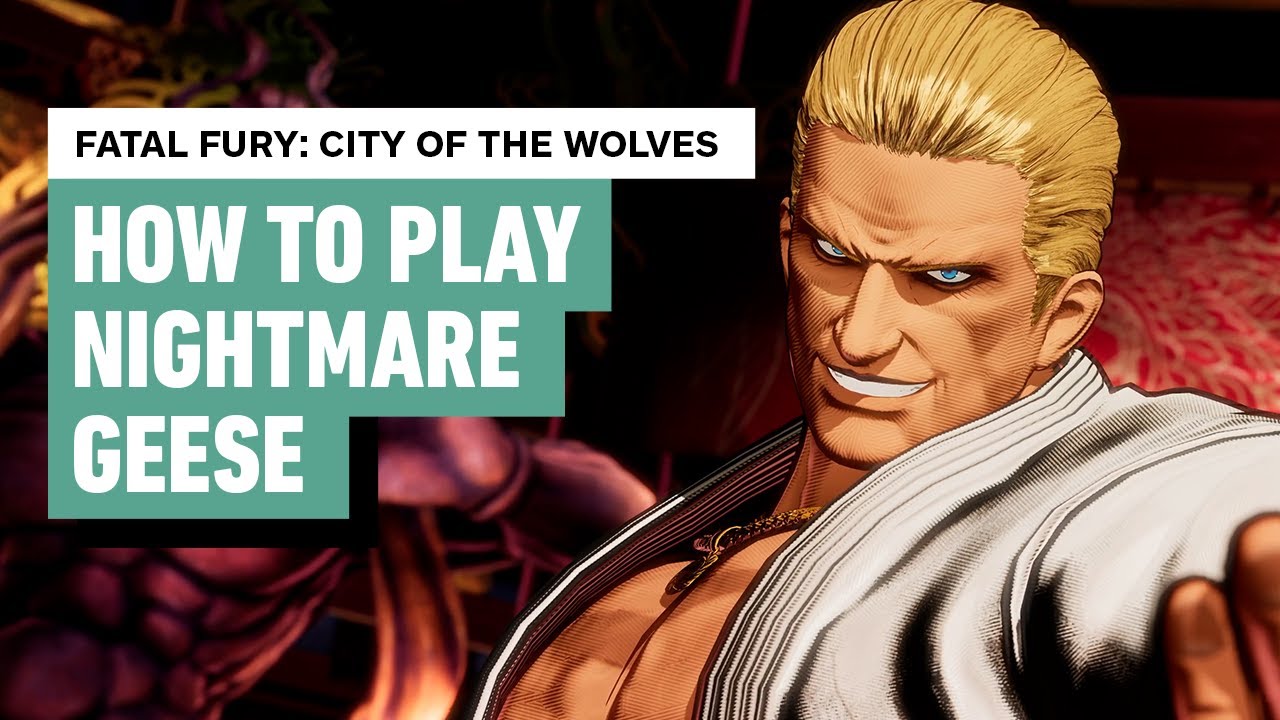
Nightmare Geese’s confirmation as a playable asset in fatal fury: city of the wolves is more than a fan-service drop; it’s a statement of intent about difficulty, execution, and ranked ecosystem health.
Trailer telemetry and early lab reports paint a clear picture:
- High-pressure rushdown anchored by fast, forward-moving strings.
- Brutal juggle routes that reward precise timing and corner awareness.
- Signature Reppuken zoning tuned less as a pure keep-out tool and more as a way to force risky approaches and set up oppressive oki.
The pre-launch systems scan frames him as an execution-heavy, risk-loaded character: unsafe power spikes, strong priority tools, and corner-routing that can delete a lifebar if the pilot is disciplined. For competitive play, that suggests three things:
- Skill Expression Ceiling – SNK is clearly comfortable allowing extremely volatile characters into the roster, provided their risk profile is transparent. That’s good news for lab monsters and tournament specialists who want a character that scales with mechanical mastery.
- Ranked Ecosystem Conditioning – A boss-tier kit in ranked queues forces players to learn counterplay early. That’s a subtle but important design choice: onboarding the wider audience into legacy SNK boss pressure without locking it behind single-player modes.
- Spectator-First Design – High-damage conversions, explosive corner sequences, and recognizable boss animations are inherently streamable. The character is tuned to look terrifying on broadcast while still being structurally punishable.
Watch: Transmitting Gameplay footage from the field: Official Nightmare Geese Character Trailer
From a #gamedev perspective, this is a strong demonstration of boss-to-player kit translation: keeping iconic threat patterns intact while inserting clear, learnable punish windows so matchups don’t collapse under frustration.
Cross-Series Combat Protocol: Street Fighter Breaches South Town
The other major signal this week is the Fatal Fury: City of the Wolves x Street Fighter collaboration. On paper, it’s a crossover. In practice, it’s a controlled test of how much legacy IP synergy the current fighting game audience will tolerate before it starts to feel like a live-service requirement.
The collab brief highlights:
- Crossover cosmetics – Skins and visual references that let players cosplay as world warriors without breaking core roster identity.
- Special intros and bespoke interactions – Narrative micro-beats that acknowledge the collision between SNK and Capcom histories.
- High-impact fan-service encounters – Themed matchups and presentation layers designed to spike social media clips and VOD highlights.
For SNK, this is a pipeline experiment: can City of the Wolves host recurring cross-IP operations without diluting its own brand? For Capcom, it’s a low-risk way to keep Street Fighter mindshare active between its own update cycles.
For players and creators, the implications are more concrete:
- Content Velocity – Collab events give streamers and tournament organizers new hooks: themed brackets, challenge ladders, and clip-friendly mirror matches.
- Monetization Clarity – How these cosmetics are priced and surfaced will quietly reveal SNK’s stance on battle passes, event passes, or direct-purchase models.
- Canon vs. Playground – The tone of these interactions will signal whether crossovers live in a “what-if” arcade fantasy lane or if SNK intends to stitch them into a broader City of the Wolves narrative framework.
From a development update standpoint, the timing is strategic: announcing a heavyweight collab before launch positions City of the Wolves as a live platform from day one, not a title that will “maybe” get support if it sells.
Meta Uplink: Pre-Launch Systems and Live Ops Intent
Underneath the trailers and collab headlines, the Nightmare Geese early-look and starter guide function as a soft systems reveal for how SNK wants players to learn this game.
Key signals for #gamedev and #indiegame teams studying the rollout:
1. Education-First Character Onboarding
Releasing a pre-mission simulator briefing for a complex character before launch sets a precedent. It tells players:
- You are expected to lab.
- You are given the tools to do so.
- High-execution characters are welcome, but not unsupported.
This mirrors trends in modern fighters where frame data literacy and route optimization are no longer niche; they’re part of the baseline experience.
2. Difficulty Curve as a Feature, Not a Bug
By openly branding Nightmare Geese as a high-pressure, execution-heavy asset, SNK is flipping a common complaint—“boss characters are unfair”—into a selling point. The message is clear: City of the Wolves will not flatten its roster for accessibility alone. Instead, it’s offering:
- Unsafe but rewarding power spikes for risk-takers.
- Matchup-driven learning for players who prefer more stable, mid-risk archetypes.
- Spectacle-rich anchors for tournaments and content creation.
3. Live Ops Framing from Day Zero
Between the Street Fighter collaboration and the detailed character breakdowns, City of the Wolves is being framed as a service-ready fighter. Even without explicit roadmaps, patterns are emerging:
- Event-driven content cycles (collabs, limited-time ops).
- Character-focused intel drops (trailers + guides as paired releases).
- Community lab alignment, encouraging early meta exploration rather than waiting for post-launch patches to define viability.
Watch: Transmitting Gameplay footage from the field: Extended Systems & Roster Transmission
Strategic Takeaways for Players, Creators, and Developers
For competitive players, the message is simple: start studying now. Nightmare Geese is a bellwether for how ruthless City of the Wolves is willing to be in its upper skill bands. If you thrive in high-risk, high-reward environments, this roster is being built with you in mind.
For content creators and tournament organizers, the Street Fighter incursion is a green light: this is a game that plans to generate recurring event hooks and visual crossovers. That’s fertile ground for custom brackets, collaboration streams, and evergreen VOD content.
For #gamedev and #indiegame teams, City of the Wolves is rapidly becoming a case study in legacy IP modernization: leveraging nostalgia, embracing complex systems, and using cross-franchise events as both marketing and long-term retention tools.
South Town is no longer just a setting—it’s a live operations testbed. And this week’s intel confirms: the wolves are not hunting alone.
Sources and corrections
This archive entry does not have a verified article-source list. Images and video embeds alone are not evidence for every claim.
Found an error? Request a correction. Include the passage and a supporting source.
Your games, in one place
Keep up with Fatal Fury: City of the Wolves
Follow this game to collect its posts in your personal feed. Come back to see what you missed.