Automated archive / Fable
Fable’s Living Albion Comes Online
Playground Games’ new Fable isn’t just a reboot—it’s a full socio-simulation of Albion, where humor, morality, and NPC behavior all run on the same systemic backbone. From SIDETRACKED side quests to a living population and star-powered villains, this is Xbox positioning narrative simulation as its next flagship play.
AI-generated summary. This archive article does not have a current recorded source check. Check linked sources before relying on details. Editorial policy
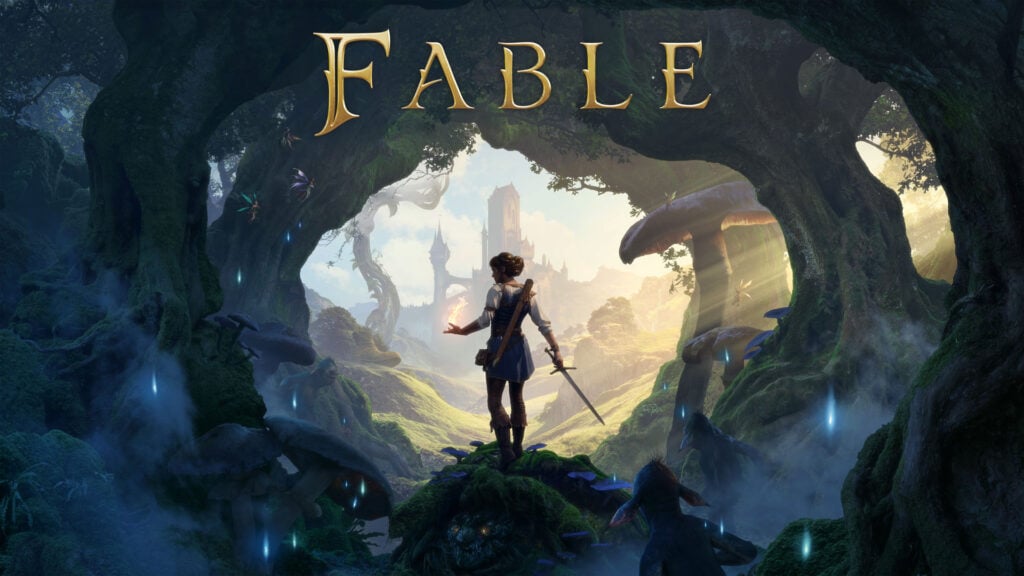
Sector Snapshot: Albion’s Simulation Stack Locks In
Playground Games’ new fable deployment is no longer a theoretical reboot—it’s a fully armed narrative simulation stack. Over the last week, Microsoft and Xbox have pushed a coordinated information burst that reframes Fable not just as a nostalgic revival, but as a flagship systems‑driven RPG. From the “living population” architecture to SIDETRACKED side‑quest logic and a morality engine that can turn a talking pig into a branching node, the picture is clear: this is a deliberately paced, narrative‑first RPG designed to feel like a persistent socio‑simulation rather than a quest checklist.
For #gamedev and #indiegame teams watching from the sidelines, Fable’s latest field intel reads like a case study in how to weld authored storytelling, systemic AI, and comedic tone into a single, coherent runtime.
World Pipeline: Narrative-First, System-Backed Albion
Recent footage shows a vertical slice of Albion that finally matches long‑term fan expectations: dense environmental storytelling, layered humor, and NPCs that react in ways that feel authored but emerge from systemic rules. The world pipeline appears tuned for fewer, richer spaces instead of a bloated open world—every alley and tavern is carrying narrative weight, quest hooks, and social data.
The key here is humor at the engine level. Banter, sight gags, and absurd outcomes aren’t just scripted one‑offs; they’re plugged into the same systemic backbone that tracks reputation, faction alignment, and personal history. That’s a notable shift from earlier generations of Fable, where comedy often lived in isolated skits rather than in the game’s underlying logic.
Watch: Transmitting Gameplay footage from the field: Official Fable narrative and systems trailer
Simulated Societies: The Living Population Framework
The “living population” briefing is the most significant technical signal. NPCs in Albion run on schedules, needs, and faction rules that tie into economy, crime, and quest spawning. Instead of siloed encounters, the game is modeling a shared data layer where:
- Economic shifts (buying, stealing, hoarding) can ripple into prices, scarcity, and social tension.
- Crime and heroism feed into a reputation fabric that influences how whole districts treat you.
- Quest hooks emerge from the same simulation that drives mundane life—meaning even a throwaway interaction can escalate into a fully fledged narrative thread.
For developers, this is effectively a mid‑to‑high complexity agent‑based simulation wrapped in a cinematic action‑RPG shell. The design risk is noise and incoherence; the opportunity is a world that feels less like a theme park and more like a chaotic, story‑dense small country.
SIDETRACKED: Side-Quest Systems as Intentional Distraction
The newly revealed SIDETRACKED protocol formalizes what Fable has always done informally: weaponize distraction. These side quests are explicitly engineered to pull players off the golden path via:
- Reactive NPC logic that changes offers, pleas, and scams based on your prior behavior.
- Branching outcomes that aren’t just moral toggles but structural changes—altered relationships, shifting local power balances, and new quest chains.
- Calibrated narrative drift, where a joke job or a petty errand can cascade into multi‑quest arcs.
This is a notable design stance in an era of map clutter. Instead of task spam, SIDETRACKED looks like a curated ecosystem of diversions that reinforce the core fantasy of being a chaotic agent in Albion, not a checklist‑driven completionist.
Ethical Systems: The Morality Engine Gets Granular
Field intel from hands‑on previews highlights Fable’s morality engine via a now‑infamous scenario: deciding whether a talking pig lives as an ally or dies as lunch. It’s a small vignette with big implications:
- Dialogue as decision surface: jokes and flippant responses can lock in serious outcomes.
- NPC memory and reputation: your choice is logged, propagated, and echoed back at you by the population.
- Narrative re‑routing: seemingly trivial moral calls can open or close story branches, alter how factions perceive you, and even reframe future comedic beats.
The crucial detail is that morality isn’t framed as a binary halo‑vs‑horns meter. Instead, it appears as a constantly updated social ledger, where your behavior is recorded, contextualized, and re‑presented through gossip, fear, admiration, or ridicule.
Casting Matrix: Cinematic Weight for a Systems-Heavy RPG
Microsoft has reinforced Fable’s flagship status by locking in a high‑profile cast, including Hayley Atwell as a primary antagonist. This casting matrix signals a confidence play: the team is betting that cinematic performance can coexist with systemic chaos rather than being undermined by it.
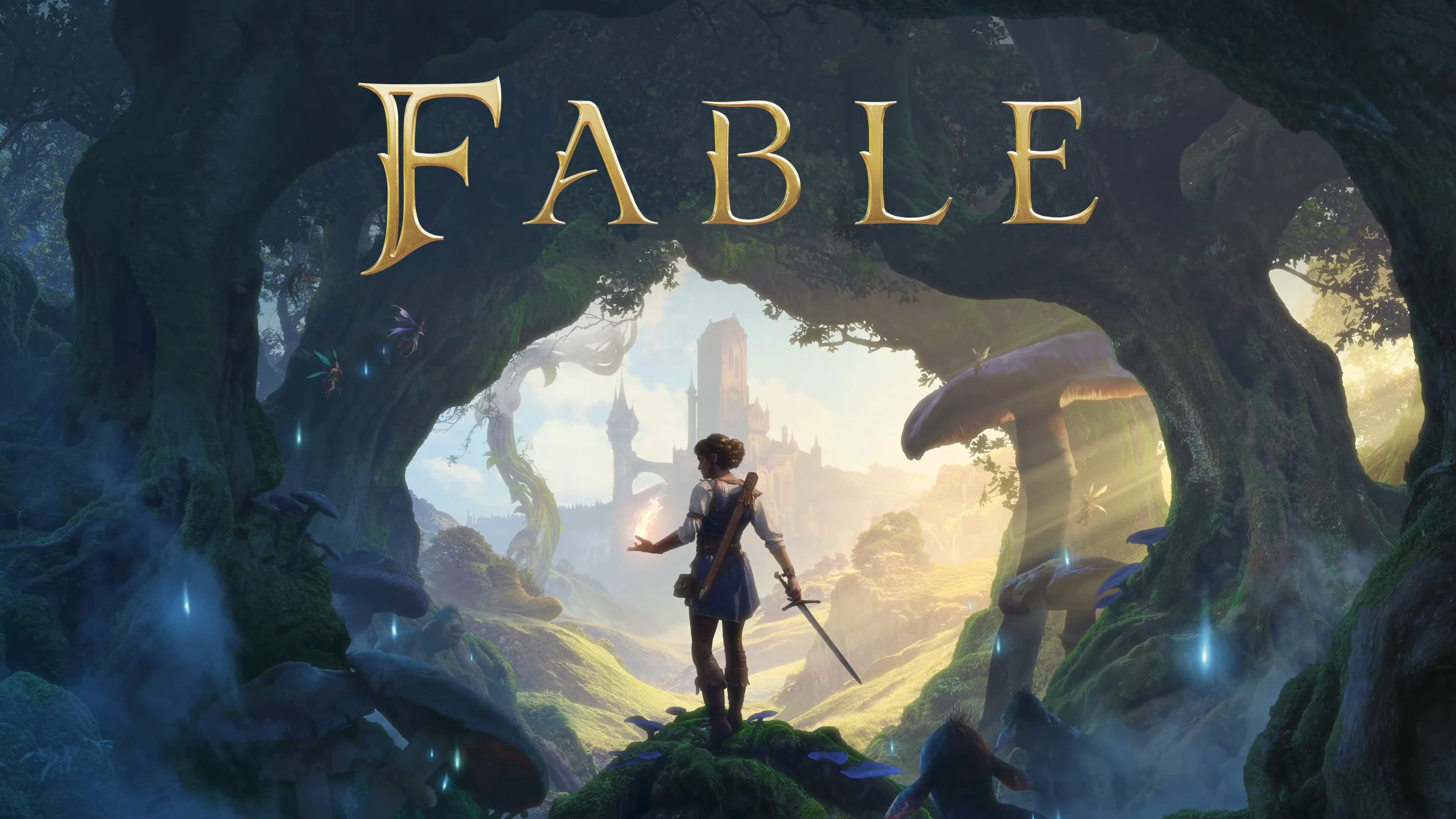
For production teams, this is a reminder that strong systemic design doesn’t preclude star‑driven storytelling. The risk is friction between tightly choreographed scenes and emergent player behavior; the opportunity is to let performance capture and writing give emotional cohesion to a simulation that might otherwise feel abstract.
Strategic Read for Developers and Players
From a sector intelligence perspective, Fable is positioning itself as:
- A narrative‑first, systems‑heavy RPG, not a checklist open world.
- A humor‑driven socio‑simulation, where jokes and moral choices are both data.
- A flagship Xbox deployment built to showcase next‑gen narrative simulation rather than raw map size.
For players, the signal is clear: expect fewer throwaway quests and more stories that spiral out of your worst (or best) impulses. For #gamedev and #indiegame teams, Albion’s new iteration is a live example of how to fuse systemic populations, ethical tracking, and comedic tone into a single, coherent design language.
Sources and corrections
This archive entry does not have a verified article-source list. Images and video embeds alone are not evidence for every claim.
Found an error? Request a correction. Include the passage and a supporting source.
Your games, in one place
Keep up with Fable
Follow this game to collect its posts in your personal feed. Come back to see what you missed.