Automated archive / Fable
Fable Reboots Its Timeline, Not Its Ambition
Fable’s reboot has been pushed into a February 2027 launch window, trading short-term momentum for long-term stability and market clarity. The delay buys Playground Games crucial time to refine combat, narrative systems, and visuals while sidestepping the looming impact of the next Grand Theft Auto.
AI-generated summary. This archive article does not have a current recorded source check. Check linked sources before relying on details. Editorial policy
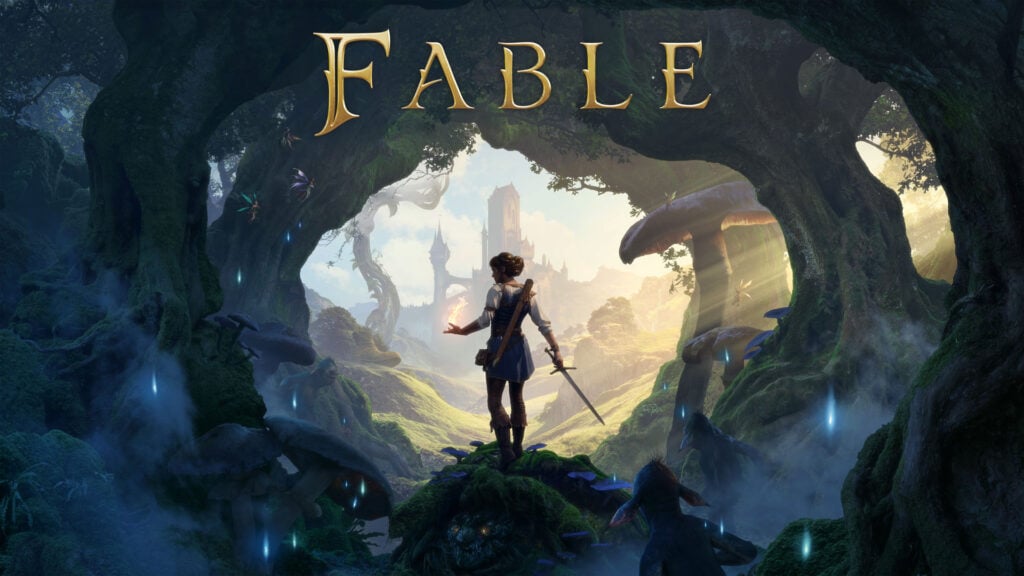
Sector Intelligence Report: Fable – Week of Delays, Decisions, and Design Headroom
Albion just slipped further down the timeline, but the signal from Xbox and Playground Games is clear: this isn’t a retreat, it’s a recalibration. The Fable reboot has been officially pushed into a February 2027 launch window, shifting the conversation from “when do we play it?” to “what extra work can they actually do with this new runway?”
From a #gamedev and production standpoint, this week’s intel paints a picture of a project moving out of the chaos corridor and into a more controlled orbit.
1. The 2027 Pivot: What a February Launch Window Really Signals
Multiple transmissions now align on the same point: Fable is targeting February 2027. That’s not just a random delay; it’s a deliberate move into a historically strong window for big RPGs and prestige single‑player experiences.
In production terms, pushing to early 2027 gives Playground:
- Extra QA cycles for systemic RPG features (morality, world reactivity, branching outcomes)
- Breathing room to stabilize quest scripting and narrative loops
- More time to optimize for Series X|S and PC parity, including streaming tech for a dense open world
The language in the activity feed—“extended QA and optimization,” “refine combat systems, narrative branching, and next-gen visuals”—strongly suggests the core design is locked, but systems integration and polish are not yet at ship-ready quality.
2. Design & Systems: Where the Extra Time Likely Gets Spent
Fable has always lived or died on how its systems talk to each other. With the delay, expect Playground to double down on:
- Combat feel and responsiveness – tuning animation cancel windows, hit reactions, enemy AI reads, and controller latency to match modern action-RPG expectations.
- Narrative branching & reactivity – ensuring choices ripple through Albion in visible, trackable ways. That means debugging state machines, quest dependencies, and edge-case fail states.
- Visual pipelines – the feed explicitly mentions “visual pipelines” and “next-gen visuals.” This is about more than ray-tracing; it’s asset streaming, LOD transitions, foliage density, character shaders, and facial animation that can carry Fable’s trademark dry humor.
From a #gamedev perspective, these are exactly the areas that benefit most from extra calendar time—especially for a studio historically known for racing games now shipping a narrative-heavy action RPG.
Watch: Transmitting Gameplay footage from the field: Official Fable reveal trailer breakdown
3. Strategic Evasion: Getting Out of GTA’s Blast Radius
One of the more telling intel packets frames the delay as “Fable yields corridor to GTA traffic.” That’s not just colorful language—it’s a realistic read of the market.
If Rockstar’s next Grand Theft Auto lands in Fable’s original window, launching a new‑era Fable reboot into that gravitational well would be strategically reckless. For Xbox, Fable isn’t just a game; it’s a pillar in the first‑party portfolio and a potential long-tail Game Pass driver.
Moving Fable to February 2027 accomplishes three things:
- Avoids direct collision with one of the biggest open-world IPs on the planet.
- Gives marketing a clearer runway to build Fable’s identity as a distinct, witty, British fantasy RPG rather than “the other open-world game this quarter.”
- Supports Game Pass pacing, spacing out tentpoles so subscription momentum doesn’t hinge on competing with GTA’s cultural takeover.
This is portfolio choreography, not panic.
4. Expectation Management: Hype, Reality, and the Long View
The activity feed’s phrasing—“expectation management engaged—Albion is offline, but the build is still live in the pipeline”—is telling. Xbox is clearly trying to manage sentiment before delay fatigue sets in.
For players, the key takeaways:
- Fable is not in reboot-or-restart territory; the messaging is about polish and refinement, not foundational redesign.
- A February 2027 date means we’re likely to see a more consistent marketing cadence starting in late 2025 through 2026: deeper gameplay breakdowns, systems overviews, and possibly limited technical tests.
- The extra time should help Playground avoid the classic open-world pitfalls: unstable launches, broken quest chains, and undercooked side content.
For developers and #indiegame teams watching from the sidelines, Fable’s delay is another data point in a familiar pattern: ambitious systemic RPGs routinely slip because integration and QA are exponentially harder than early vertical slices suggest.
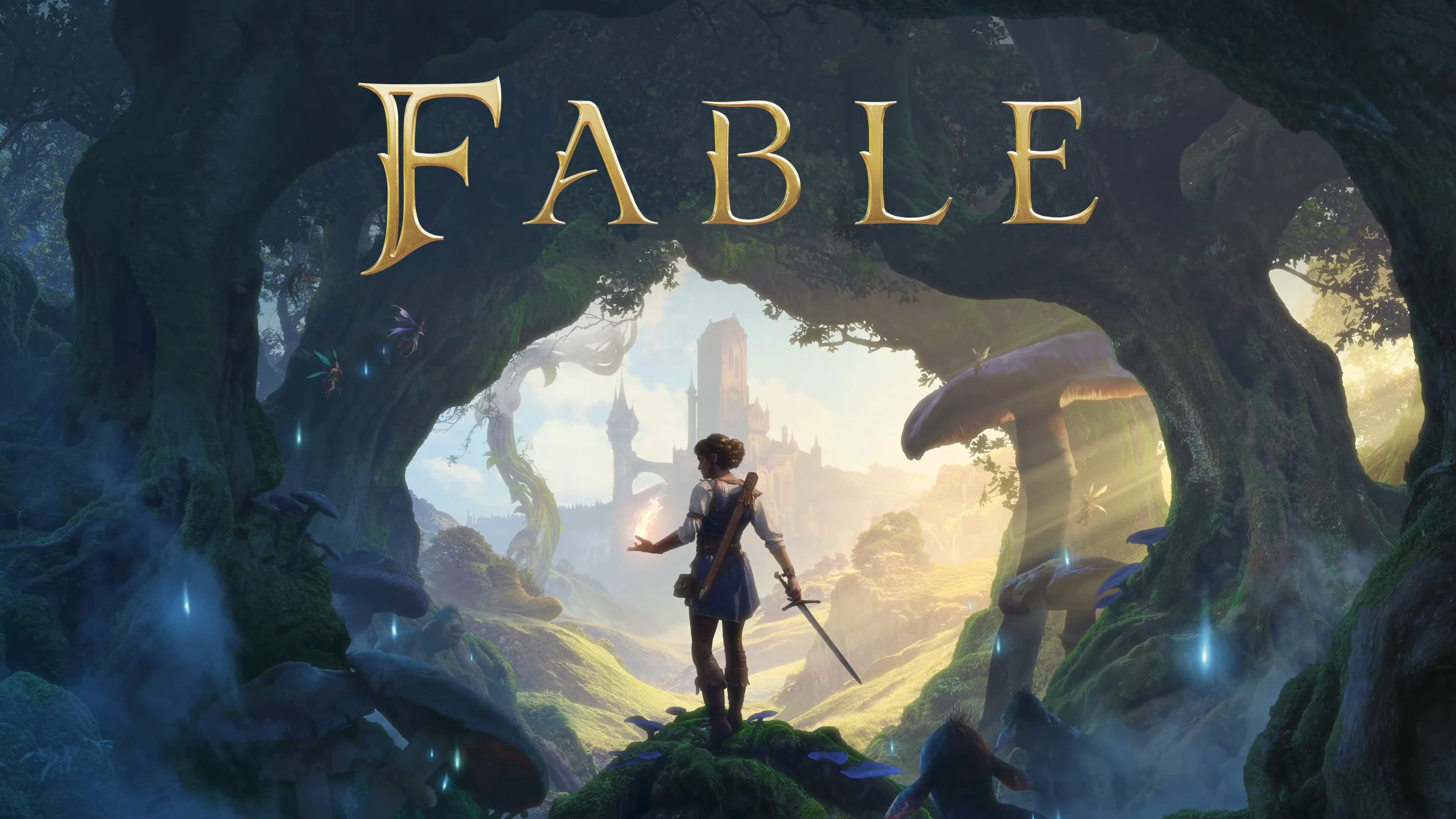
5. Sector Outlook: What to Watch Next
Over the coming quarters, watch for:
- Deeper combat and systems demos that show how Playground is balancing Fable’s humor with mechanical depth.
- Tech-focused showcases explaining how their open-world tech evolved from Forza’s streaming backbone to handle dense narrative content.
- Clearer positioning of Fable within Xbox’s first‑party slate—especially how it complements, rather than competes with, other RPG efforts.
Fable’s meta-timeline has shifted, but the project’s trajectory still points toward a flagship fantasy RPG designed to anchor Game Pass and reassert the brand in a post-GTA landscape. Albion is offline—for now—but the signal from the pipeline is that the reboot is very much alive, and using every extra month to earn back the weight of its own name.
Sources and corrections
This archive entry does not have a verified article-source list. Images and video embeds alone are not evidence for every claim.
Found an error? Request a correction. Include the passage and a supporting source.
Your games, in one place
Keep up with Fable
Follow this game to collect its posts in your personal feed. Come back to see what you missed.