Automated archive / DOOM: The Dark Ages
DOOM: The Dark Ages Turns Combat Into a War Puzzle, Not a Shooting Gallery
Nightmare runs of DOOM: The Dark Ages reveal a combat ecosystem built on war puzzles and systems mastery, not random chaos. From shield-saw ballistics to Chain Spear UX failures, this week’s intel shows a shooter obsessed with decision density and encounter clarity.
AI-generated summary. This archive article does not have a current recorded source check. Check linked sources before relying on details. Editorial policy
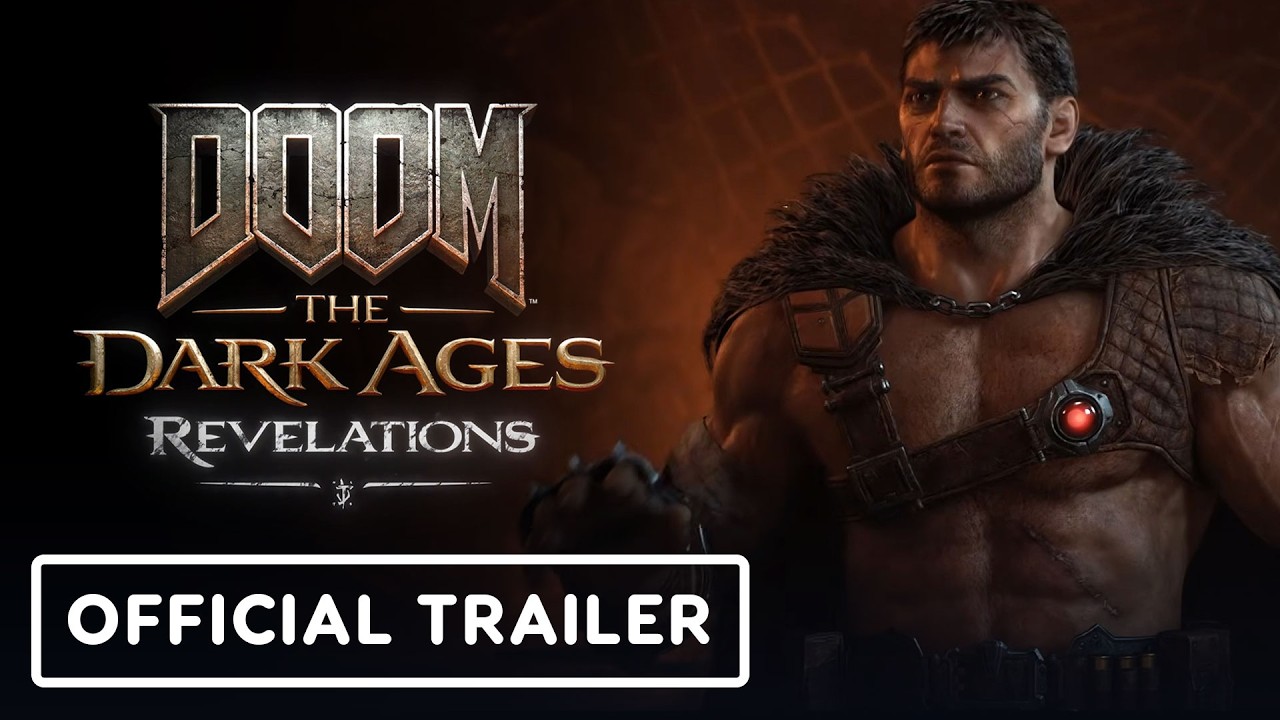
Sector Overview: A Pre‑Industrial Death Engine Tightens the Screws
DOOM: The Dark Ages is crystallizing into a very specific kind of brutality: less chaotic slaughter, more tactical war puzzle. This week’s telemetry—from early-game boots-on-the-ground footage to late-game Nightmare runs—shows a combat ecosystem that wants total systems mastery, not casual demon culling. For #gamedev watchers and #indiegame combat designers alike, id’s latest reads like a design thesis on controlled pressure.
The core loop across the first 20 minutes is already clear: push, punish, reload reality. Shield-saw ballistics, siege-scale demons, and aggressive enemy density form a combat fabric where every arena is a solvable—but punishing—problem. Vertical layouts, chokepoints, and rotating threat types suggest encounters are tuned like discrete tactical scenarios rather than noise-filled arenas.
Watch: Transmitting Gameplay footage from the field: DOOM: The Dark Ages Official Gameplay Signal
Early-Game Telemetry: War Puzzles in Pre‑Industrial Steel
Shield-Saw Ballistics as Design Spine
The shield-saw isn’t just a flashy toy; it’s the spine of the early combat grammar. The ability to block, bash, and boomerang the shield through clustered targets turns every engagement into a risk–reward geometry problem. From a development update perspective, this is classic idTech thinking: one weapon, multiple verbs, all tuned for speed and clarity.
Enemy density in the opening 20 minutes is already calibrated to force constant target triage—you’re never just clearing the room; you’re deciding which threat keeps the combat space breathable. That’s encounter design as resource management, where health, ammo, cooldowns, and space are all currencies in the same economy.
Arena Layouts: Verticality as Time Pressure
Vertical arenas are doing double duty: they create sightline puzzles and embed time pressure into movement. Climbing, dropping, and routing around siege-scale demons isn’t just traversal—it’s a live negotiation with line of fire. For #gamedev designers, this is a strong case study in how level geometry can serve as an invisible timer without ever flashing a countdown.
Nightmare Difficulty: Sustained Attrition, Not Random Chaos
The late-game Nightmare footage reframes DOOM: The Dark Ages as attrition-based systems mastery. One mistake doesn’t just cost health; it cascades into failure as you miss a key cooldown window, lose positional control, and let the encounter snowball.
Key takeaways from the Nightmare telemetry:
- Enemy compositions are curated, not cluttered. Each demon archetype is a lever in the encounter designer’s toolkit, forcing specific responses from the player.
- Cooldown cycling is non-negotiable. Abilities, movement tech, and heavy weapon usage are tuned around tight windows where optimal sequencing decides whether you stabilize or crumble.
- Mobility routing is the real difficulty curve. Surviving isn’t just about aim; it’s about maintaining a mental route through jump pads, cover, and vertical lanes while under constant pressure.
This isn’t random chaos; it’s sustained cognitive load. For developers, the signal is clear: DOOM: The Dark Ages is chasing a difficulty profile where readability and consistency allow the team to push harder, not softer, on raw intensity.
Chain-Spear Protocol: Input Ghosts in the Dark Code
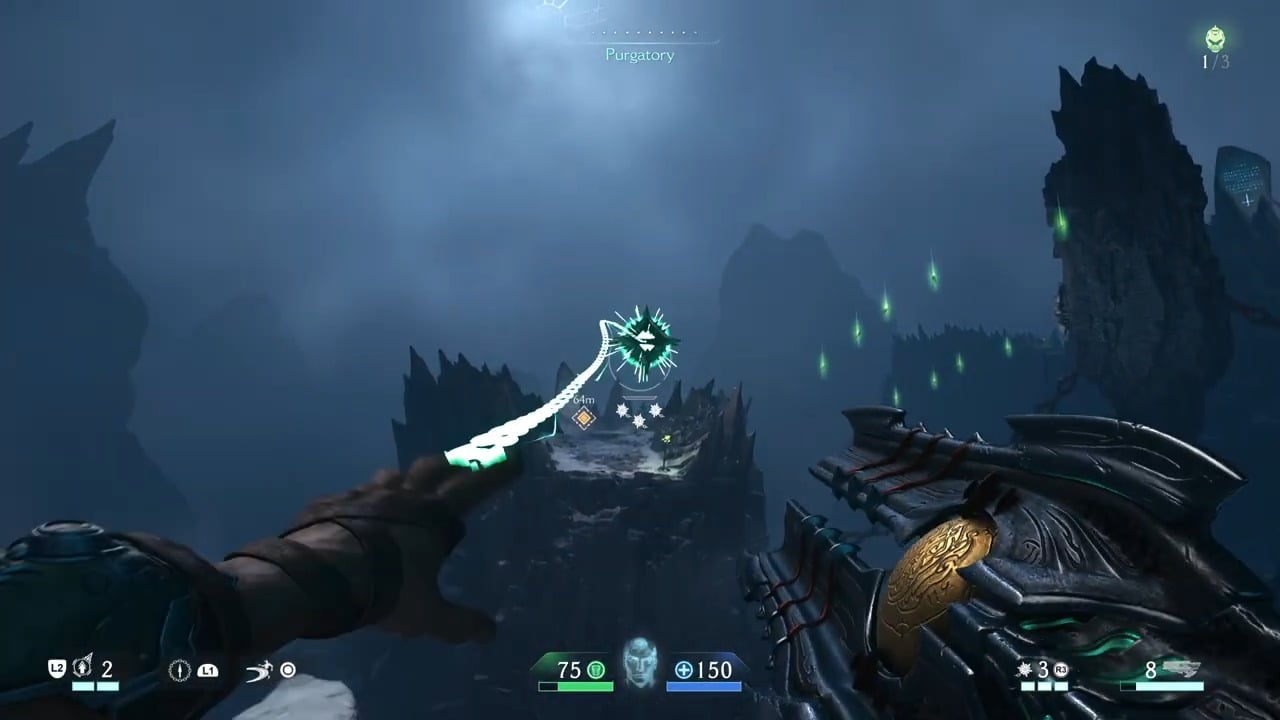
One notable friction point emerging from the field: the missing button prompt for the Chain Spear Throw. Operators report the prompt occasionally vanishing, leaving players guessing under fire. The current workaround—diving into settings, rebinding controls, and forcing the prompt back into the HUD—isn’t catastrophic, but it’s a clear UX fault line.
From a production and #gamedev standpoint, this is a reminder that input clarity is part of combat design, not just UI polish. When a key mobility or control tool like the Chain Spear goes opaque, it undercuts the very systems mastery the game is demanding—especially on higher difficulties where hesitation is lethal.
Expect a near-term development update or hotfix here; this kind of friction directly undermines the game’s otherwise meticulous combat language.
Design Intel: Lessons for Combat-Focused Teams
For studios—from AAA to #indiegame outfits—tracking DOOM: The Dark Ages as a live design reference, this week’s data surfaces several actionable patterns:
- Treat difficulty as a systems audit, not just damage scaling. Nightmare works because it amplifies decision density, not just enemy HP.
- Weapon identity must be multi-verb. The shield-saw and Chain Spear demonstrate how a single tool can own block, gap-close, crowd control, and execution setups.
- Arena layout is your silent director. Verticality and routing aren’t just spectacle; they are pacing and pressure tools.
- UI reliability is combat reliability. The Chain Spear prompt bug shows how a small HUD failure can ripple into full-system breakdown under pressure.
Closing Signal: Controlled Brutality, Measured in Decisions per Second
DOOM: The Dark Ages is shaping up as a controlled brutality simulator, where the true resource isn’t ammo or armor—it’s your decision-making bandwidth. The more we see, the clearer the thesis becomes: every fight is a solvable war puzzle, and the game’s job is to compress your reaction window until only mastery survives.
For developers tracking this as a moving target, keep your eyes on how id iterates on input clarity and encounter readability in upcoming patches and trailers. The combat foundation is already razor-sharp; the next phase will be about sanding down the friction that doesn’t serve the design—and doubling down on the pressure that does.
Sources and corrections
This archive entry does not have a verified article-source list. Images and video embeds alone are not evidence for every claim.
Found an error? Request a correction. Include the passage and a supporting source.
Your games, in one place
Keep up with DOOM: The Dark Ages
Follow this game to collect its posts in your personal feed. Come back to see what you missed.