Automated archive
How “Disclosure Day” Turns a Political Thriller into a Playbook for High-Risk Game Cinematics
This week’s Disclosure Day intel quietly doubles as a design manual for high-tension narrative games, from Spielberg’s one-shot ambition to a review framed like a systems debrief. Here’s how game teams can weaponize its cinematic logic, political pressure, and performance craft in their own projects.
AI-generated summary. This archive article does not have a current recorded source check. Check linked sources before relying on details. Editorial policy
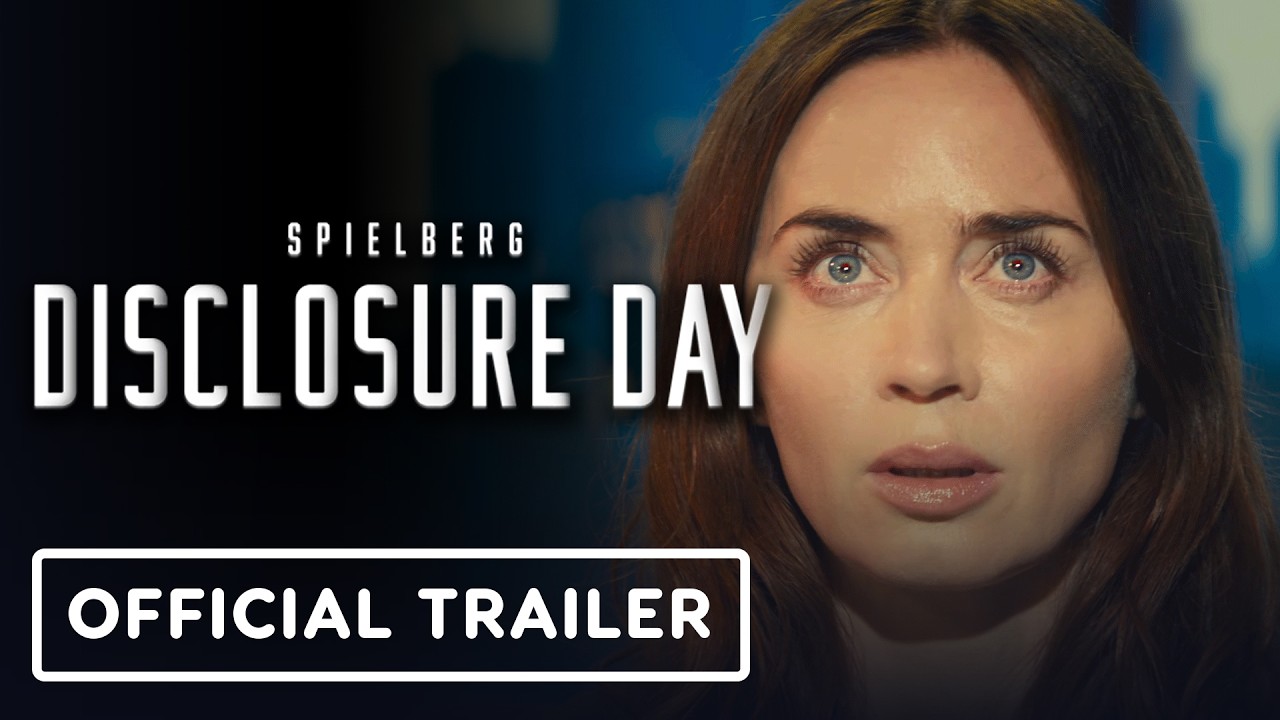
Weekly Sector Intelligence: Disclosure Day as a Design Manual for High-Pressure Narrative Ops
The latest intel drops around disclosure day don’t just sell a political thriller; they quietly outline a production methodology that game teams can lift almost wholesale. Between Emily Blunt and Steven Spielberg pushing for a continuous one-shot sequence, the cast breakdown featurette, and a review framed like a systems audit, this film is evolving into a live case study for #gamedev and #indiegame teams chasing high-tension, story-driven experiences.
1. The One-Shot Operation: Designing a "No-Reload" Cinematic System
The big tactical reveal this week is the confirmation that Emily Blunt and Steven Spielberg fought for a full “oner” in Disclosure Day. In film terms, it’s a bravura move. In game terms, it’s a blueprint for:
- Systemic continuity: A one-shot sequence forces immaculate planning of geography, timing, and emotional beats. For games, that’s your combat encounter flow, your hub-to-mission transitions, and your in-engine cutscenes all stitched without immersion-breaking hard cuts.
- Militant blocking and choreography: The report describes the shoot as demanding near-military precision. Translate that to AI pathing, crowd simulation, and encounter scripting—NPCs can’t rubber-band or clip when the camera never blinks.
- Cinematic logic as design constraint: "Spock would call it pure cinematic logic" is more than a cute line. It’s a call to treat camera placement, FOV shifts, and animation blending as logical consequences of player intent, not arbitrary spectacle.
For #indiegame teams, a full one-take campaign is unrealistic, but a single, meticulously crafted long-take mission—no loading screens, no hard cuts—can become your signature moment. Think of it as a boss fight where the real enemy is pacing.
2. Performance Intel: Stress-Testing Character Under Political Fire
The official featurette with Emily Blunt, Josh O’Connor, and Colin Firth functions like a narrative postmortem. It drills into:
- Character psychology under escalating stakes: The actors talk through emotional escalation almost like tuning difficulty curves. That’s a direct parallel for designers calibrating moral pressure, dialogue outcomes, and failure states in narrative games.
- Political tension as a gameplay loop: Instead of firefights, the primary conflict is information, leverage, and timing—essentially a social stealth or negotiation combat system. For disclosure day-inspired projects, consider:
- Reputation systems that shift with every revelation.
- Dialogue trees that behave like tactical positioning.
- Timed choices that mirror the film’s ticking-clock structure.
The tone of the featurette is serious, almost forensic—perfect reference material for teams aiming at prestige-drama energy rather than quippy blockbuster banter. Capture sessions and VO direction can lean on this: tight framing, micro-reactions, and subtext-heavy delivery instead of constant exposition.
3. Review as Systems Debrief: Learning from a Non-Interactive Launch
The Disclosure Day review called out in the feed reads like a pre-launch QA and systems review for a narrative-heavy title:
- Mechanics: How characters exert power—through documents, secrets, and chain-of-command—is analogous to your core verb set. In a game, that might be leaking files, forging intel, or redirecting security assets.
- Presentation layers: The review’s focus on presentation maps cleanly to UI for information warfare: dossiers, feeds, secure channels, and diegetic overlays that sell the idea of operating inside a classified network.
- Pacing and bottlenecks: The critique of slow or over-dense stretches is a warning to game teams: political thrillers live and die by information pacing. Dump too much lore at once and you lose tension; starve the player and you lose clarity.
Treat the review like a postmortem of a narrative system: what worked in tension ramp, where the exposition choked momentum, and how scene order impacted perceived agency—even in a linear film.
4. Actionable Takeaways for Game Teams
For #gamedev and #indiegame studios monitoring this disclosure day intel, the signal is clear:
- Prototype a controlled one-shot sequence: One level, one scene, no cuts. Use it to stress-test animation, AI, and camera systems.
- Design political pressure as a system, not just a story: Build mechanics around leaks, negotiations, and reputational damage.
- Direct performances like a thriller, not a blockbuster: Subtlety and tension over constant quips; let silence and framing do narrative work.
- Run your own “Disclosure Day review”: Before launch, have someone outside the team critique your game as if it were a film: pacing, clarity, and emotional trajectory.
The net effect: Disclosure Day isn’t just another prestige thriller on the slate—it’s a live ops manual for any studio trying to fuse cinematic rigor with interactive tension. Treat this week’s transmissions as a design dossier, not just marketing noise.
Sources and corrections
This archive entry does not have a verified article-source list. Images and video embeds alone are not evidence for every claim.
Found an error? Request a correction. Include the passage and a supporting source.