Automated archive / Diablo IV: Lord of Hatred
Sector Intelligence Report #03: Class Uplifts, Co‑Op Stress Tests, and Warlock Uptime in Diablo IV: Lord of Hatred
Season 13 class recalibrations, Warlock optimization, and creator‑driven co‑op tests are reshaping how Diablo IV: Lord of Hatred is being read by its most dedicated players. This week’s intel shows a community thinking like systems designers—and a Blizzard that seems ready for that level of scrutiny.
AI-generated summary. This archive article does not have a current recorded source check. Check linked sources before relying on details. Editorial policy

Sector Snapshot: Meta Turbulence Ahead of Lord of Hatred
The last seven days around diablo iv: lord of hatred have been defined by three converging signals: a hard recalibration of Season 13 class power, early Warlock build theory crystallizing faster than expected, and a creator‑driven co‑op showcase putting Blizzard’s encounter pacing under the microscope. For developers tracking combat readability, systems balance, and long‑tail retention, this week’s traffic is less about raw hype and more about how players are preparing to systematize the expansion.
From a #gamedev perspective, the community isn’t just asking what is strong—they’re already asking why it’s strong, and how fast they can pivot when the next balance patch hits. That shift toward efficiency‑driven play is exactly where design intent will either align with, or be overridden by, meta optimization.
Class Threat Matrix: Season 13 Signal Sweep
The “Season 13 Signal Sweep” report circulating this week reframes the class conversation in terms of operational roles rather than fantasy labels. Barbarians, Rogues, Sorcerers, Druids, and Necromancers are being evaluated on three axes:
- Burst Windows – How reliably a class can front‑load damage into boss vulnerability phases.
- Survivability Loops – Sustain patterns that let players stay in melee or mid‑range without constant kiting.
- Endgame Scaling – How well builds translate from campaign and leveling into high‑tier Nightmare dungeons, Helltides, and seasonal bosses.
The critical takeaway: players are treating each class like a live service system, not a static archetype. Build guides are already tuned to minimize respec downtime, signaling that Season 13 design will be judged by how gracefully it allows experimentation without punishing currency sinks.
For designers, this is a reminder that every new legendary aspect or seasonal mechanic will be parsed as either:
- A burst amplifier (short, high‑impact windows),
- A loop stabilizer (defensive or resource uptime), or
- A scaling lever (multipliers that matter only at the bleeding edge).
Balancing across those three buckets will dictate whether the meta remains diverse or collapses into one or two “mathematically correct” options.
Warlock Uplift: Uptime Over Spectacle
The Warlock‑focused intel drop this week drills into a leveling philosophy that’s highly instructive for #indiegame and AAA teams alike: treat every skill pick as a systems upgrade, not a cosmetic preference.
The recommended Warlock route leans on:
- High‑uptime Shadow + Fire synergies for sustained AoE clear.
- Reliable crowd control to stabilize pulls rather than chase highlight‑reel one‑shots.
- Resource‑stable core skills that smooth early‑game pacing and reduce friction in dungeons.
This is a subtle but important design win. When optimal leveling paths emphasize consistency and control instead of only raw DPS, it suggests the underlying skill tree has enough internal synergy to reward thoughtful sequencing. For developers, the Warlock discourse is a case study in:
- How clearly the game communicates damage types and status interactions.
- Whether early‑game encounters are tuned to showcase those synergies without requiring external guides.
- How quickly players can feel the difference between a poorly and well‑constructed build.
If Blizzard maintains this clarity into the late game, Warlock could become a reference template for future class design—front‑loaded with readability, back‑loaded with expressive depth.
Co‑Op Field Test: Creator Squads as Live QA
Watch: Transmitting Gameplay footage from the field: Official Lord of Hatred Gameplay Trailer
The co‑op showcase featuring Sweet Anita and BillieTrixx functioned as a soft stress test for diablo iv: lord of hatred’s new content. Beyond entertainment value, it surfaced three key design pressure points:
1. Encounter Pacing Under Social Load
In a creator environment, voice comms and chat interactions compete with on‑screen information. The fact that the squad could still parse telegraphs and coordinate around major mechanics indicates that Blizzard’s combat readability is trending in the right direction—telegraphs are legible even when attention is fragmented.
For #gamedev teams, this is a reminder: your game must remain playable at 70% attention, not just in lab‑perfect focus conditions.
2. UI Clarity at High Intensity
Co‑op chaos is a brutal UI exam. Health spikes, cooldown tracking, and resource management all have to remain visible when particle effects dominate the screen. Early impressions from the stream suggest that while Diablo IV’s UI is largely holding, there’s still risk of information overload during clustered elite packs.
Design implication: any future Lord of Hatred systems that add more on‑screen widgets (seasonal buffs, temporary debuffs, etc.) need to be visualized in a way that doesn’t compete with core survival signals.
3. Multiplayer Balance and Class Synergy
The stream also highlighted how different classes cover each other’s weaknesses—high mobility and burst pairing with more control‑oriented kits. The audience response leaned positive when synergies were obvious (stagger setups, coordinated nukes), and more muted when encounters felt like parallel solo runs in the same space.
For Blizzard, the opportunity is to double down on co‑op‑specific affordances: combo telegraphs, shared objectives that reward role differentiation, and enemy behaviors that react to group composition.
Visual Telemetry: Lord of Hatred’s Atmosphere in Motion
Watch: Transmitting Gameplay footage from the field: Official Lord of Hatred Reveal Deep Dive
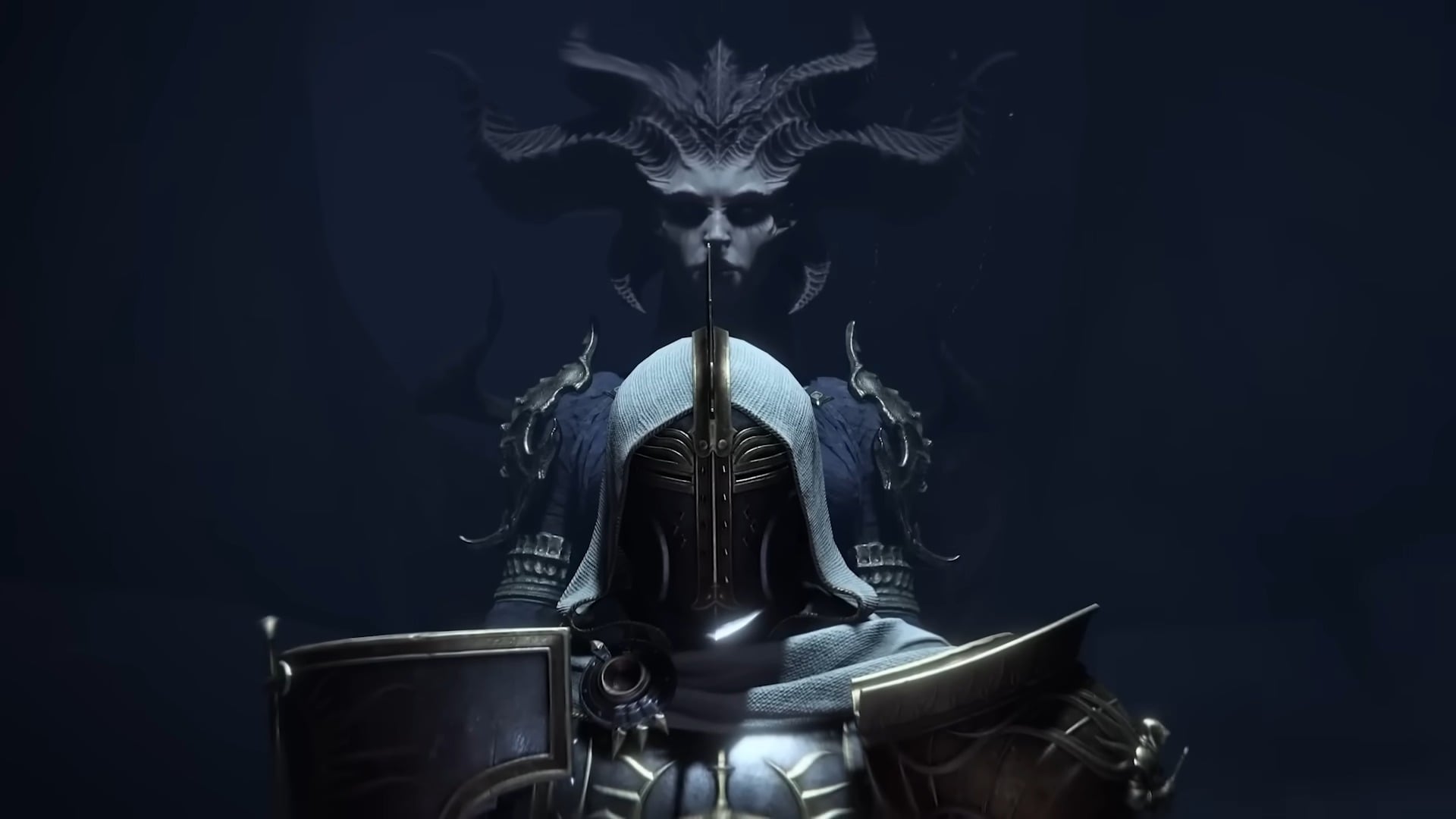
The official footage continues to push a darker, more oppressive aesthetic that still preserves mechanical clarity—a tension many ARPGs struggle to resolve. Key signals from the latest material:
- Lighting and readability: High‑contrast silhouettes and disciplined use of color to separate enemy threats from environmental dressing.
- Environmental storytelling: Zone layouts that imply ritual spaces and demonic infrastructure, giving level design a narrative spine instead of a pure loot corridor.
- Animation priority: Boss wind‑ups and elite attacks remain visually distinct even under heavy VFX, a crucial factor for fair feeling difficulty.
From a development update standpoint, the art and encounter teams appear aligned: spectacle is being routed through telegraph clarity rather than pure noise. That’s a design philosophy worth mirroring in any action‑heavy #indiegame chasing readability at speed.
Strategic Outlook: What This Week Signals for Developers
Across class meta theory, Warlock optimization, and co‑op stress tests, the pattern is consistent: players are already thinking like systems designers. They’re modeling burst windows, survivability loops, and resource economies in real time, and they’re using creator content as live documentation.
For developers monitoring diablo iv: lord of hatred as a bellwether:
- Expect your own players to dissect balance changes within hours, not days.
- Assume co‑op and streaming environments will be your de facto UX lab.
- Design class kits and seasonal mechanics to reward long‑term understanding, not just day‑one spectacle.
As Lord of Hatred approaches, the real contest won’t just be between Barbarians, Rogues, Sorcerers, Druids, Necromancers, and Warlocks—it’ll be between designer intent and community‑driven optimization. Right now, the data suggests Blizzard is at least playing on the same board.
Sources and corrections
This archive entry does not have a verified article-source list. Images and video embeds alone are not evidence for every claim.
Found an error? Request a correction. Include the passage and a supporting source.