Automated archive / Crimson Desert
Crimson Desert Mount Meta, Elemental Uplift, and Steam Grid Shockwave
Crimson Desert just turned a strong week on the Steam premium grid into a live-fire test of its core systems, from dragon mounts to late-game elemental imbuement. The meta is coalescing around mobility, pattern-based combat, and high-impact progression rather than disposable side content.
AI-generated summary. This archive article does not have a current recorded source check. Check linked sources before relying on details. Editorial policy
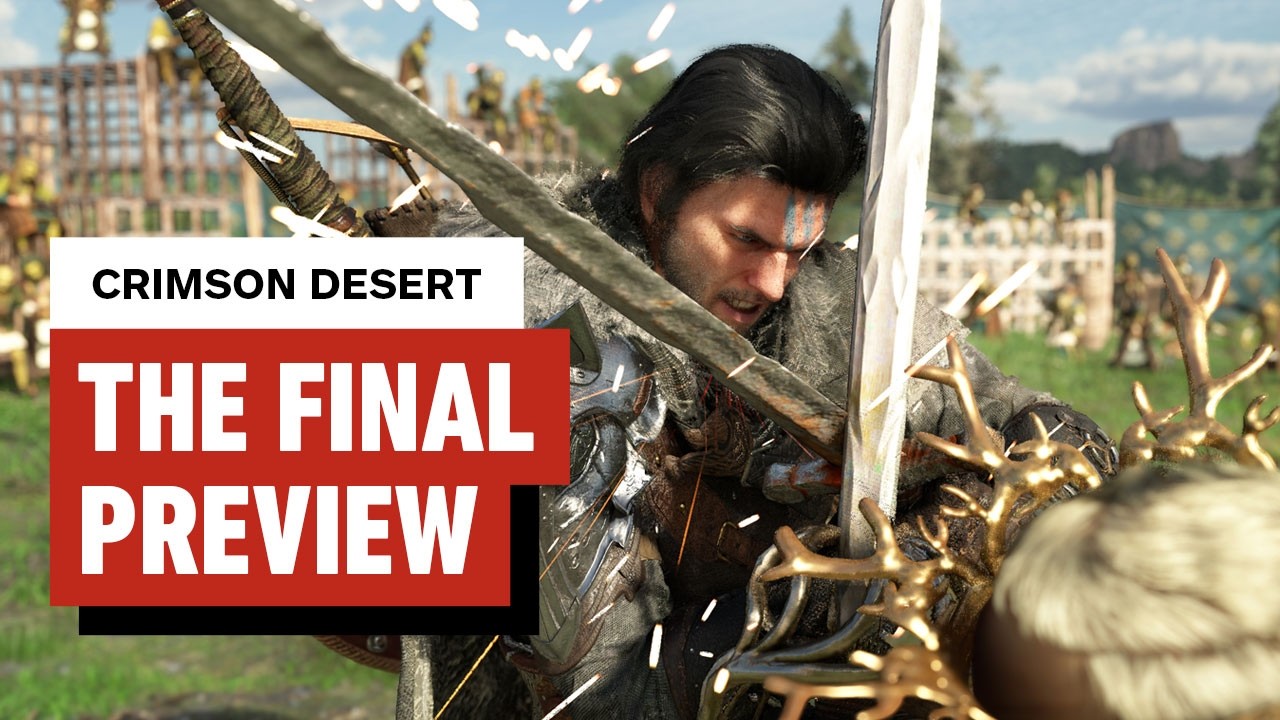
Sector Intelligence Report: Crimson Desert – Week of April 15, 2026
The last seven days have been quietly decisive for crimson desert. Beneath the headline noise of other RPG launches, Pearl Abyss’ open-world epic is hardening its systems meta: traversal is being redefined by high-tier mounts, late-game combat is tilting around elemental imbuement, and the game just posted a serious statement on the Steam premium sales grid.
Market Signal: Steam Grid Disruption
Intel from the "Steel Charts Uprising" packet flags Crimson Desert as a top performer on the Steam premium sales chart for April 7–14, 2026, holding its slot against heavyweights like Slay the Spire 2 and Forza Horizon 6, while Resident Evil 4 and GUILTY GEAR -STRIVE- maintain veteran pressure.
From a #gamedev perspective, this matters for three reasons:
1. Premium-Only Momentum
Crimson Desert is competing in a premium-only environment, with no F2P tailwind. Maintaining a leading position here signals strong early word-of-mouth and content stickiness—critical for an RPG that leans on systemic depth rather than a live-service treadmill.
2. Systems-Driven Retention
The same week that sales data spikes, the community’s most-circulated guides are not about cosmetics or exploits—they’re about mount acquisition, skill optimization, and elemental progression. That alignment suggests players are digging into systems, not bouncing off the early game.
3. Meta Still Forming
With the “market meta shifting fast,” Crimson Desert is in the window where a few smart tuning passes or content beats can lock in a longer tail. For #indiegame and AA studios watching from the sidelines, this is a live case study in how strong systemic hooks can keep a premium RPG visible in a saturated release calendar.
Mobility Meta: Dragon Mount Acquisition Protocol
The most high-impact tactical shift this week is clear: if you’re walking, you’re losing.
The Dragon Mount Deployment intel reframes traversal as a power curve, not a convenience. The documented unlock route emphasizes:
- Precise trigger conditions before the dragon becomes available.
- A sequence of objectives that feel more like an operation than a side quest.
- A payoff that converts long-distance travel into high-speed aerial superiority.
From a design angle, this is smart: the dragon isn’t just a cosmetic flex—it’s a mobility skill tree in disguise. Once unlocked, it rewires how players approach exploration, route-planning, and even encounter selection.
For developers, the takeaway is clear: if you want your open world to stay relevant at hour 40, your traversal upgrades must fundamentally alter player decision-making, not just shave seconds off a ride.
Watch: Transmitting Gameplay footage from the field: Official Crimson Desert Systems & World Trailer
Ground Game Upgrade: Silver Fang (White Wolf) Mount Intel
Parallel to the dragon, the Silver Fang white wolf mount is emerging as the elite ground transport unit in Crimson Desert’s current meta.
Field reports emphasize:
- A tightly scripted unlock chain, not a random drop.
- Regional tasks that force players to engage with specific biomes and encounter types.
- A bonding event that reinforces narrative attachment to the mount.
Design-wise, this creates a two-layer payoff:
- Mechanical – Silver Fang functions as a high-mobility asset, compressing travel time and enabling more aggressive engagement and disengagement in open-world skirmishes.
- Emotional – By tying the unlock to a named target (the white wolf) and a bonding sequence, the mount becomes a character-level upgrade, not just an item.
For #gamedev teams, the Silver Fang protocol is a practical template: if you want players to care about a mount, build a questline that earns it and then let the stats justify the sentiment.
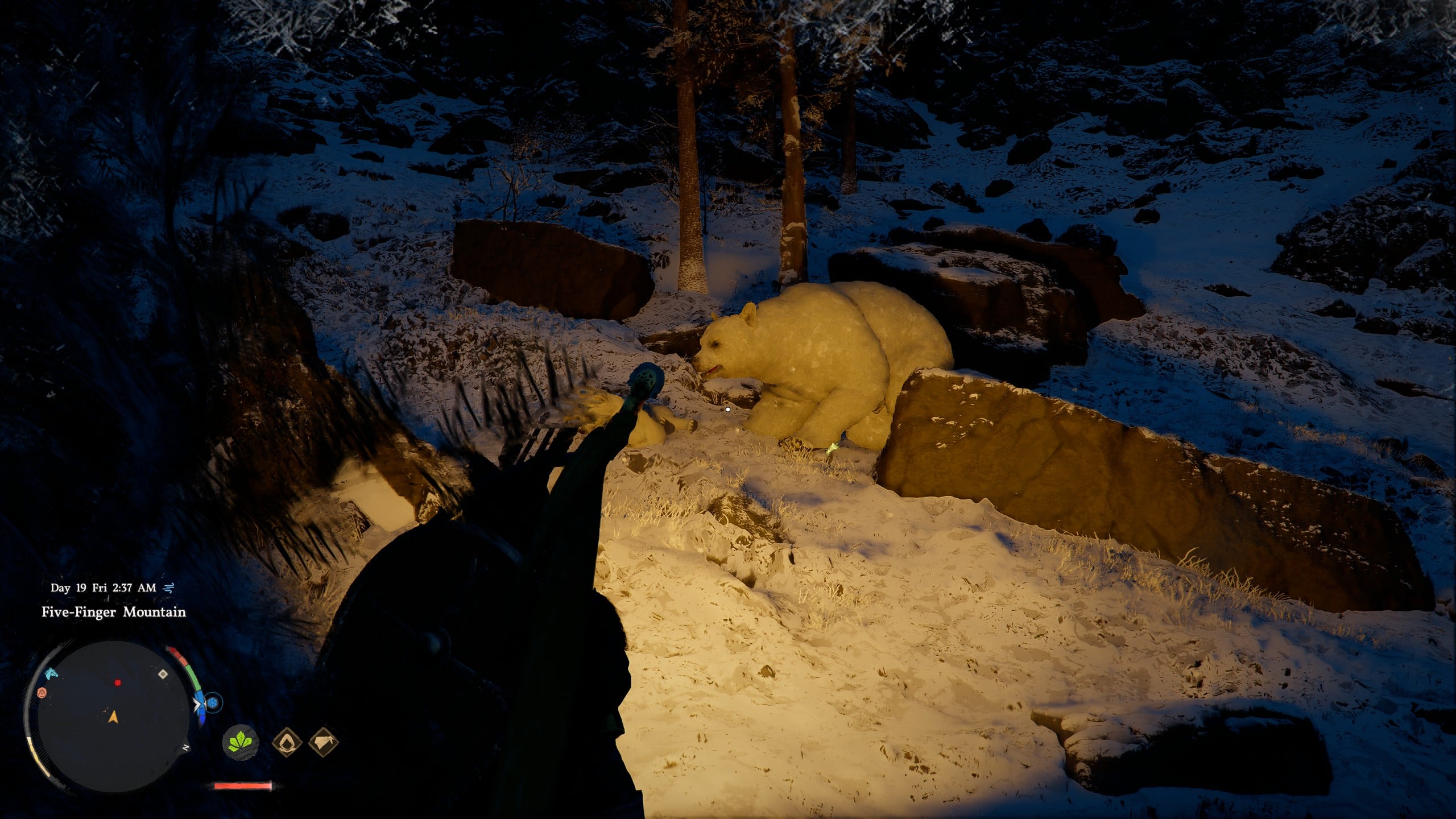
Combat Systems: Damiane vs. Bastier – Skill Loadout Convergence
On the combat front, the Damiane vs. Bastier encounter is quietly functioning as a skill-build stress test.
The current optimal field doctrine:
- Stack high-burst, high-mobility skills to maintain offensive pressure.
- Slot gap-closers and stagger tools to keep Bastier’s windows open.
- Maintain survivability actives to sustain DPS uptime instead of playing purely reactive.
The fight is being read as a pattern-recognition exercise: learn Bastier’s telegraphs, then cycle interrupts and cooldowns to keep him in a controlled state. This pushes players toward rhythm-based combat mastery rather than stat-check brute forcing.
From a systems design standpoint, this is exactly where an early marquee boss should sit: it teaches the language of the combat system while gently punishing sloppy rotations.
Late-Game Pivot: Elemental Imbuement as Force Multiplier
The most important long-tail signal this week is the rising attention on elemental imbuement.
Intel frames the elemental matrix as a late-game force multiplier rather than a basic modifier:
- Players must unlock the elemental matrix before the real depth kicks in.
- Each element functions like a distinct weapons platform, encouraging multiple loadouts.
- Success depends on exploiting enemy weaknesses and environmental modifiers, not just chasing bigger numbers.
This is a notable design choice. Instead of front-loading elemental play and letting it flatten into background noise, Crimson Desert delays the system so that it recontextualizes the entire combat loop once unlocked.
For developers, this is a reminder that late-game systems need to do more than add vertical power—they should reshape how players read encounters and the world itself.
Strategic Outlook: Where Crimson Desert Stands Now
Across this week’s intel packets, a cohesive picture is emerging:
- Traversal is escalating from horses to signature mounts (dragon and Silver Fang) that materially change how players navigate and engage.
- Combat is crystallizing around pattern literacy and cooldown discipline, with fights like Bastier serving as onboarding for higher-tier encounters.
- Progression is tilting late-game power into elemental imbuement, rewarding players who stay invested long enough to unlock and iterate on the system.
- Market performance on the Steam premium grid suggests these systems are not just present—they’re being discovered, shared, and optimized by the player base in real time.
For #gamedev and #indiegame teams tracking Crimson Desert as a reference point, the key learning this week is alignment: the content players are searching for and sharing is exactly where the game’s deepest systems live. That’s the kind of systemic resonance you can’t buy with ad spend.
Sector watch will continue to monitor how Pearl Abyss tunes these pillars—and whether future updates push even harder on mounts, elements, and encounter design as the core of Crimson Desert’s long-term meta.
Sources and corrections
This archive entry does not have a verified article-source list. Images and video embeds alone are not evidence for every claim.
Found an error? Request a correction. Include the passage and a supporting source.
Your games, in one place
Keep up with Crimson Desert
Follow this game to collect its posts in your personal feed. Come back to see what you missed.