Automated archive / Crimson Desert
Crimson Desert’s Mount Arms Race and the Coming Endgame Crunch
Crimson Desert is crushing the Steam revenue charts, but its most dedicated players are already hitting an endgame content ceiling. Mount unlocks, elemental imbuement, and high-skill boss design are propping up engagement—for now.
AI-generated summary. This archive article does not have a current recorded source check. Check linked sources before relying on details. Editorial policy
Sector Overview: Crimson Desert Dominates the Revenue Front
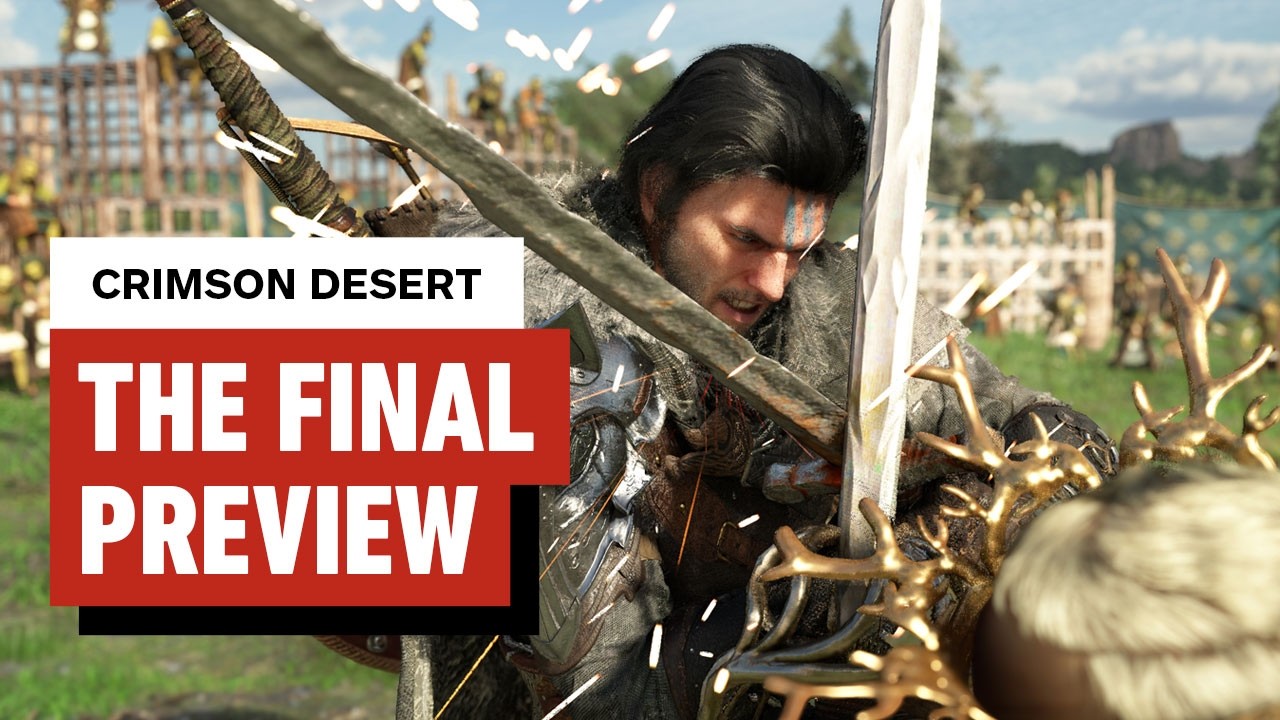
Crimson Desert is sitting at the top of the latest Steam revenue scan, out-earning heavyweights like Slay the Spire 2 and Resident Evil 4. For a premium, narrative-driven open world to hold that position in a live-fire marketplace is a clear signal: player appetite for high-fidelity action RPG sandboxes is still surging.
From a #gamedev and #indiegame perspective, this is a case study in how a visually aggressive, systems-heavy RPG can command attention even in a crowded release window. But the same telemetry that shows strong early monetization is also flagging a familiar risk vector: content throughput vs. player burn rate.
Mobility Meta: Dragon and Silver Fang Mount Protocols
Mounts are fast becoming the defining logistics layer of Crimson Desert’s mid-game.
Dragon Mount: Aerial Superiority as Design Statement
Recent field intel outlines a precise acquisition protocol for a dragon mount, transforming long-range traversal into high-speed aerial dominance. The unlock is not a throwaway side activity; it’s a tightly gated sequence that forces players to:
- Hit specific world-state conditions
- Complete trigger objectives across multiple regions
- Execute a scripted claim-and-deploy moment
From a design standpoint, this is smart friction. The dragon mount isn’t just a reward; it’s a reconfiguration of how players read the map. Fast verticality changes the encounter economy, trivializing some overworld threats while enabling hit-and-run tactics on others.
For developers tracking engagement, watch how often players backfill side content after securing the dragon. If completion rates spike post-mount, you’ve validated traversal as a primary retention tool.
Silver Fang (White Wolf): Prestige Ground Mobility
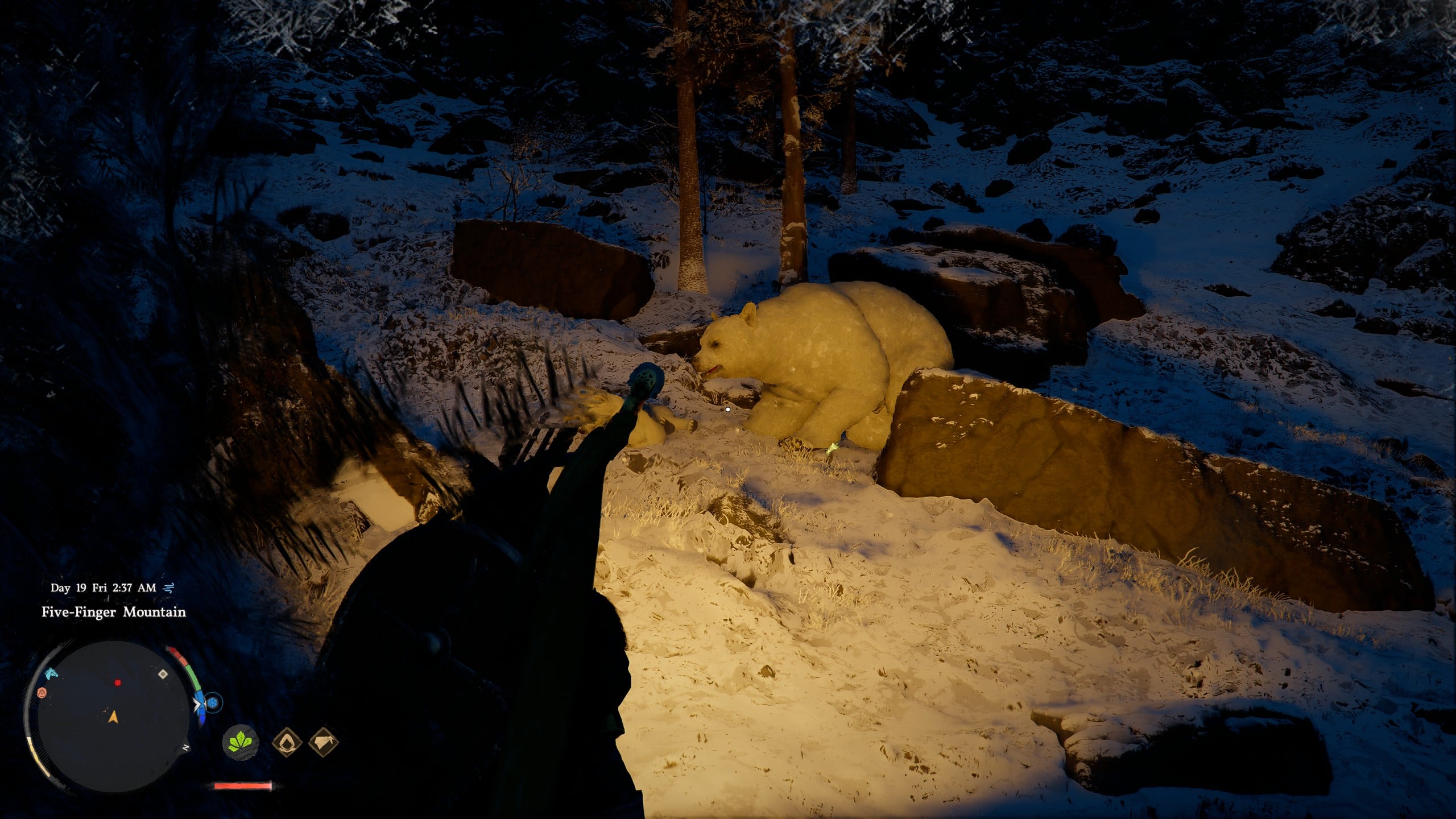
The Silver Fang white wolf mount is surfacing as a prestige ground asset. The unlock loop—regional tasks, tracking a white wolf target, then a bonding event—leans into narrative and emotional investment:
- Region-specific tasks subtly teach biome layouts
- The tracking phase trains players on reading environmental cues
- The bonding event anchors the mount as a character, not just a vehicle
This is a classic RPG trick, but executed with modern fidelity. The key #gamedev takeaway: tying mobility upgrades to bespoke micro-stories increases perceived value and discourages churn, even when players are already aware that a dragon mount exists further down the pipeline.
Combat Systems: Damiane vs. Bastier as a Skill-Check Boss
Intel around the Damiane vs. Bastier encounter paints it as an intentional mechanical exam rather than a raw stat wall.
Recommended builds emphasize:
- Gap-closers to stay in Bastier’s face between telegraphed swings
- Stagger tools to punish predictable patterns
- Survivability actives that let players trade damage for uptime
This is encounter design that rewards pattern recognition, not gear brute force. For development teams, it’s a strong example of how to stage an early or mid-game boss as a tutorial for the game’s real combat grammar:
- Telegraphs teach dodge timing
- Interrupt windows teach cooldown discipline
- Punish phases teach resource management
If telemetry shows high first-attempt failure but rapid success within 2–3 tries, that’s ideal: players feel challenged, not stonewalled.
Late-Game Systems: Elemental Imbuement as a Force Multiplier
New intel confirms that elemental imbuement is positioned as a late-game power spike. Players must first unlock an “elemental matrix” before they can:
- Imbue weapons and armor with specific elements
- Target enemy weaknesses for multiplicative damage
- Exploit environmental modifiers (e.g., wet enemies, explosive barrels, storm conditions)
This is the classic late-game systems uplift: give advanced players a second axis of optimization. Done right, it extends the buildcraft meta without invalidating prior progression.
For #gamedev teams, the risk is timing. If players hit the current content ceiling before fully engaging with elemental depth, the system’s retention potential is undercut. Right now, that’s exactly the tension point emerging in Crimson Desert’s data.
Endgame Void: “Nothing Left to Kill” and the Content Throughput Problem
Hardcore Crimson Desert players are already reporting that they’ve “killed everything worth killing.” That’s not just forum salt; it’s a signal that top-end operators have outpaced the current encounter pipeline.
The pattern looks like this:
- Early spike – Players rush the main story and priority contracts.
- Mid-game plateau – Mount unlocks and skill optimizations keep engagement high.
- Endgame flatline – With elemental systems unlocked and optimized builds online, there aren’t enough scalable targets to absorb the power curve.
For a live product, this is dangerous but fixable. The design levers available include:
- Scalable bounties that auto-tune to player power
- Rotating world events that remix existing assets into high-intensity scenarios
- Boss remix variants (e.g., Bastier with elemental mutations or new add waves)
- Mount-based challenges that leverage the dragon and Silver Fang in bespoke encounters
The key is to convert current “overpowered” builds into tickets for harder content, not dead-ends.
Watch: Transmitting Gameplay footage from the field: Official Crimson Desert Systems Showcase
Strategic Outlook: What Crimson Desert Teaches Modern RPG Devs
Crimson Desert’s current trajectory offers several sharp lessons for both AAA and #indiegame teams:
- Traversal is content. Dragon and Silver Fang unlocks prove that mobility systems can be as engaging as new regions if they’re wrapped in bespoke questlines.
- Skill-check bosses are better teachers than tooltips. Encounters like Bastier are more effective at onboarding combat systems than any tutorial text.
- Late-game systems must ship with late-game loops. Elemental imbuement is powerful, but without a robust endgame ecosystem, it risks becoming a solved puzzle with nothing left to apply it to.
If the developers can rapidly deploy new late-game targets and scalable encounter loops, Crimson Desert has the systemic backbone to sustain its current Steam revenue dominance. If not, the same players who raced to the top of the food chain will be the first to drift—taking a lot of word-of-mouth momentum with them.
For now, Crimson Desert remains one of the most important action RPGs to watch—both as a commercial force and as a living design lab for open-world combat, mounts, and progression pacing.
Sources and corrections
This archive entry does not have a verified article-source list. Images and video embeds alone are not evidence for every claim.
Found an error? Request a correction. Include the passage and a supporting source.
Your games, in one place
Keep up with Crimson Desert
Follow this game to collect its posts in your personal feed. Come back to see what you missed.