Automated archive / Crimson Desert
Crimson Desert Stabilizes, Sharpens Its Teeth, and Eyes Switch 2
Crimson Desert has flipped its launch narrative, stabilizing performance, climbing Steam charts, and sharpening its combat meta with boss encounters that double as skill exams. With sales surging and a potential Switch 2 port under evaluation, Pearl Abyss is turning a turbulent launch into a long‑tail campaign.
AI-generated summary. This archive article does not have a current recorded source check. Check linked sources before relying on details. Editorial policy
Sector Overview: From Turbulence to Tactical Stability
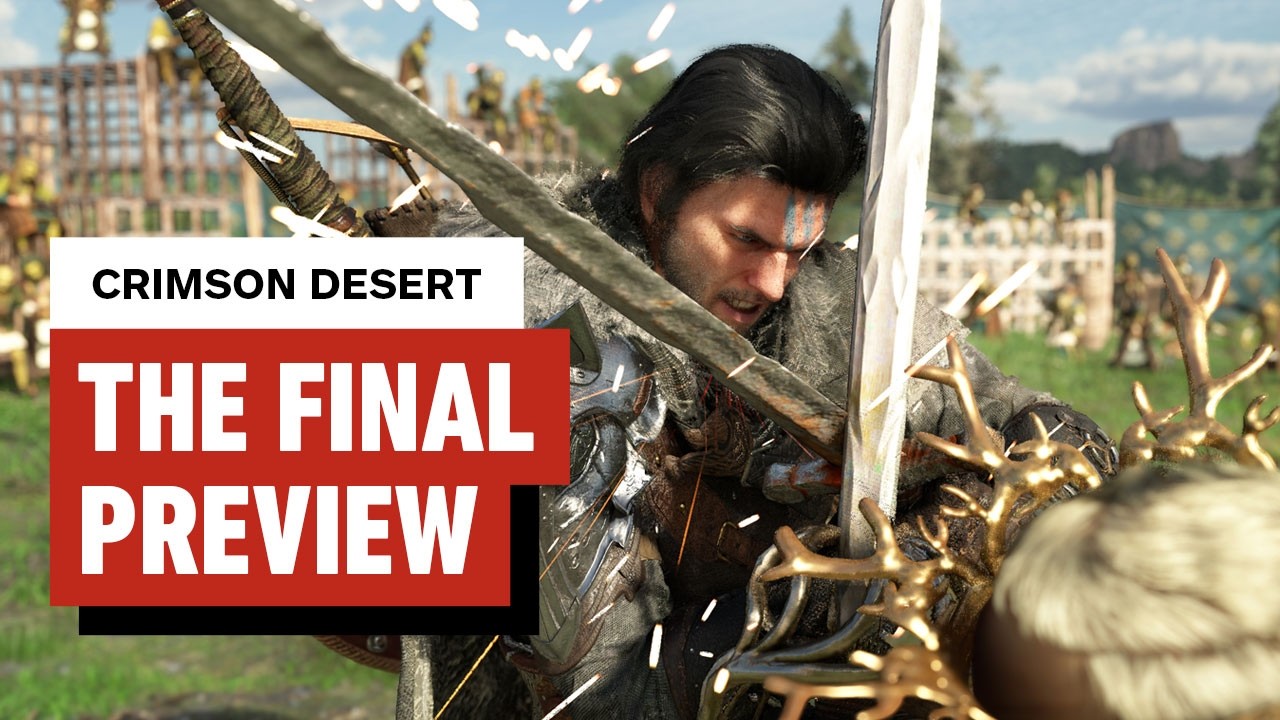
Crimson Desert has spent the last week doing what many sprawling open worlds fail to achieve post‑launch: stabilizing fast, then pushing forward. Steam telemetry now shows the game sitting on an 80%+ approval rating with a peak of 276,261 concurrent players, backed by a “Mostly Positive” review swing after a major corrective patch. For a project that launched under scrutiny, this is a meaningful sentiment inversion—and a live case study in post‑launch #gamedev triage.
Patch 1.00.03 is the pivot point. The update doesn’t chase headlines with flashy new content; instead it executes a classic stabilization op: reduced crashes, tuned combat damage values, smoother traversal, and cleaner hotspot performance. That’s exactly what the PC audience demanded, and the result is a clear recalibration of Steam reviews and renewed player retention.
Systems Intelligence: Combat, Companions, and Covert Play
Boss Design as a Combat Curriculum
The activity feed reads like a curriculum for mastering Crimson Desert’s combat language. Guides for Saigord the Staglord, Kearush the Slayer, Tenebrum, and the Crimson Nightmare all stress the same fundamentals: pattern recognition, tight dodge timing, stamina discipline, and controlled aggression.
These aren’t throwaway brawls—they’re teaching encounters. Saigord’s lunges and huge melee reach reward baiting charges and punishing committed animations. Tenebrum and Crimson Nightmare, meanwhile, frame multi‑phase fights as “discrete puzzles,” pushing players to adapt to new AoE patterns rather than panic‑roll through chaos. From a design standpoint, Pearl Abyss is clearly using bosses as practical tutorials for its animation‑driven combat loop.
Companions as Force Multipliers
Field intel on companion summoning underlines another design pillar: you’re not meant to be a lone wolf forever. Proper timing, positioning, and ability chaining with AI allies can turn scrappy duels into orchestrated strike ops. This shifts the game’s feel from pure action RPG into something closer to party‑based brawling—highly readable, high‑impact, and ripe for build experimentation.
Stealth and Theft: Economic Systems with Teeth
Crimson Desert’s pickpocketing and theft mechanics expand the sandbox beyond brute force. Suspicion meters, patrol patterns, and social stealth introduce a low‑noise, high‑reward layer that plugs directly into the economy. The ability to secure free gold bars via exploration routes and hidden nodes further reinforces the idea that Pywel is a living resource grid, not just a backdrop.
Progression & Loot Routing: From Bloodstone to Darkbringer
The last week’s guides form a clear meta for efficient progression:
- Early‑game power spikes: A curated list of five must‑grab early weapons drastically shortens time‑to‑kill and smooths difficulty spikes.
- Resource routing: Three easy Bloodstone veins near Hernand give players a tight, repeatable loop for early crafting and gear upgrades.
- High‑end arsenal: The Darkbringer magic sword and its two‑handed greatsword variant, plus Ator’s Orb Abyss Gear, require multi‑stage traversal, elite encounters, and puzzle checks. This is prestige loot by design—high friction, high payoff.
The cumulative effect: Crimson Desert’s open world increasingly reads like a network of deliberate routes rather than random distraction. For #indiegame teams studying open‑world economies, this is a strong reference for how to align exploration, combat challenge, and gear fantasy.
Traversal & Mount Meta: Legendary Mobility as Endgame Utility
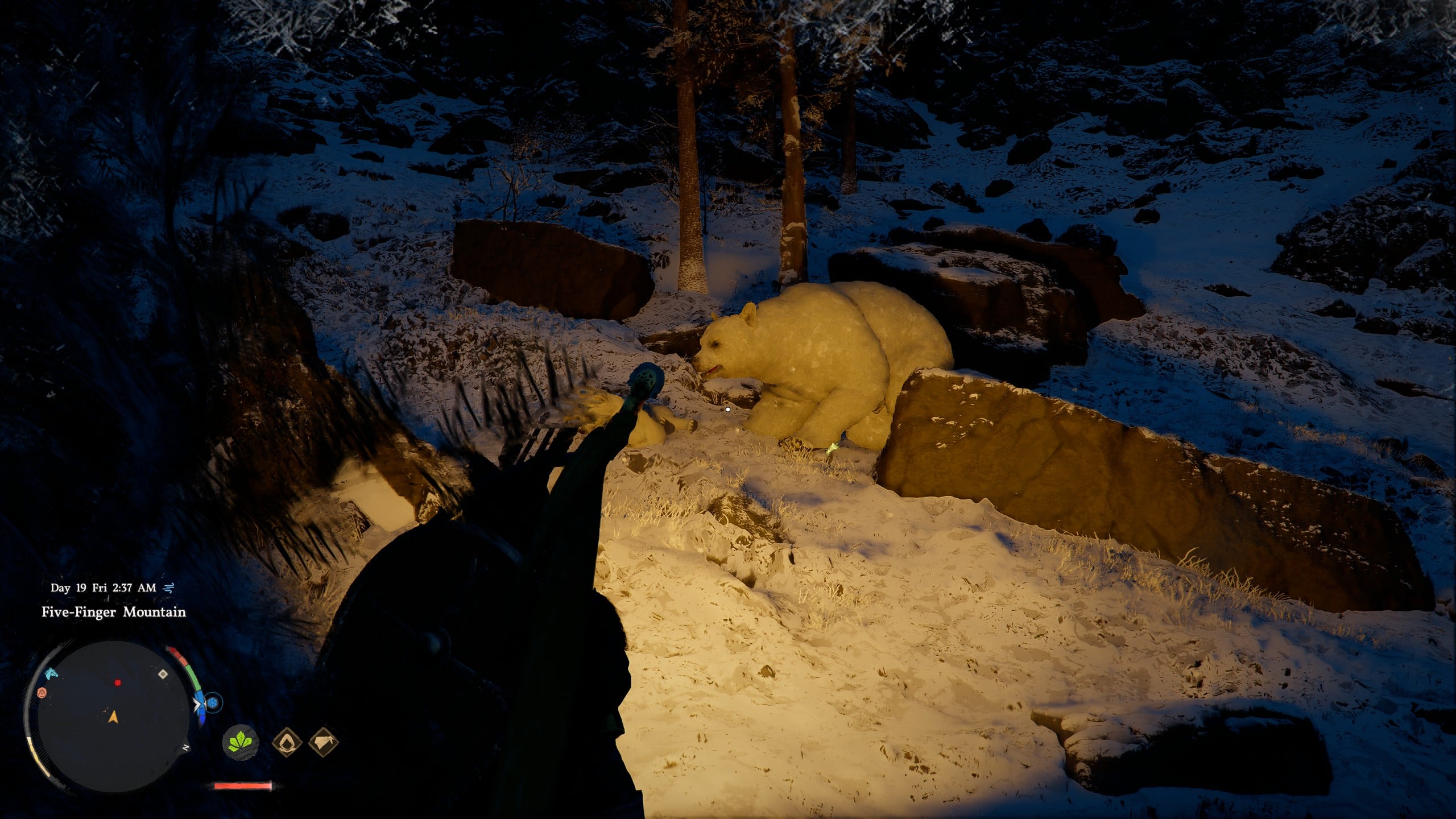
Legendary mount intel—specifically the White Bear and Snowwhite Deer—highlights how Pearl Abyss uses traversal as another progression axis. Unlocking these mounts isn’t a cosmetic flex; it’s a strategic upgrade. Faster, more resilient mounts rebalance travel time, resource runs, and risk profiles in hostile biomes.
Combined with the ability to dynamically reconfigure Kliff’s appearance (hair, tattoos, facial structure), the game lets players align their visual identity, mobility, and combat kit into a cohesive loadout. It’s not just fashion; it’s battlefield readability and role‑play baked into the same pipeline.
Campaign Termination: Endgame as a Second Layer
Post‑credits, Crimson Desert doesn’t simply dump you into cleanup duty. New Game+ protocols, advanced gear loops, and altered world states that respond to prior decisions effectively create a second operational layer. This is crucial for long‑tail retention: it reframes the same geography with new stakes, enemy scaling, and narrative echoes.
From a design perspective, this is where the game can most effectively capitalize on its now‑stabilized technical base. With core systems shored up, Pearl Abyss can safely deepen NG+ tuning, late‑game loot tables, and world reactivity without fighting fires on the engine side.
Market & Platform Outlook: Sales Momentum and Switch 2 Recon
Watch: Transmitting Gameplay footage from the field: Crimson Desert launch trailer cut
On the business front, Crimson Desert is in a strong but evolving position. Sales have already cleared 3 million units and are closing in on 5 million, enough to calm earlier investor turbulence and stabilize Pearl Abyss’ share price. The game also topped Steam’s revenue chart for the week of March 17–24, out‑earning heavy hitters like Slay the Spire 2, Death Stranding 2, Modern Warfare, and Helldivers 2.
The most intriguing strategic note is Pearl Abyss’ confirmation that it’s actively evaluating a Switch 2 port. That implies a serious internal effort to downscale a high‑fidelity open‑world pipeline onto hybrid hardware—an operation that will interest every #gamedev team contemplating similar moves. Expect compromises in visual density and effects, but if executed well, this could significantly extend Crimson Desert’s tail and introduce the IP to a broader audience.
Strategic Verdict
This week’s telemetry paints a clear picture: Crimson Desert has moved from damage control to optimization. Technical stability is up, player sentiment is trending positive, and the systems discourse has shifted from “Is it broken?” to “How do I master it?”
For developers, the game now stands as a live reference on three fronts: rapid post‑launch stabilization, encounter design that teaches its own systems, and the challenges of scaling a visually aggressive open world across platforms. For players, Pywel is no longer a risky deployment—it’s an increasingly disciplined combat sandbox with real long‑term legs.
Sources and corrections
This archive entry does not have a verified article-source list. Images and video embeds alone are not evidence for every claim.
Found an error? Request a correction. Include the passage and a supporting source.
Your games, in one place
Keep up with Crimson Desert
Follow this game to collect its posts in your personal feed. Come back to see what you missed.