Back to guides and news
Gaming
March 9, 2026
Sector Intelligence Report: Crimson Desert’s Open-World Combat Is a Controlled Systems Meltdown
Sector Snapshot: Crimson Desert’s Sandbox Goes Weapons-Free
Over the last seven days, Crimson Desert has shifted from "interesting open-world RPG" to a full-blown systems stress test masquerading as a medieval epic. Field reports describe a high-fidelity, physics-aware sandbox where mounted combat, grappling, and environmental chaos converge into something closer to a live combat sim than a scripted story park. For #gamedev observers and #indiegame teams looking for design signals, Crimson Desert is rapidly becoming a benchmark for how far you can push systemic density before the whole thing catches fire.
The core read: this isn’t a chill sightseeing tour. It’s a continent-sized pressure cooker tuned for constant stimulus, improvisation, and cinematic brutality.
Combat Systems: Bar Brawl Energy in a AAA Package
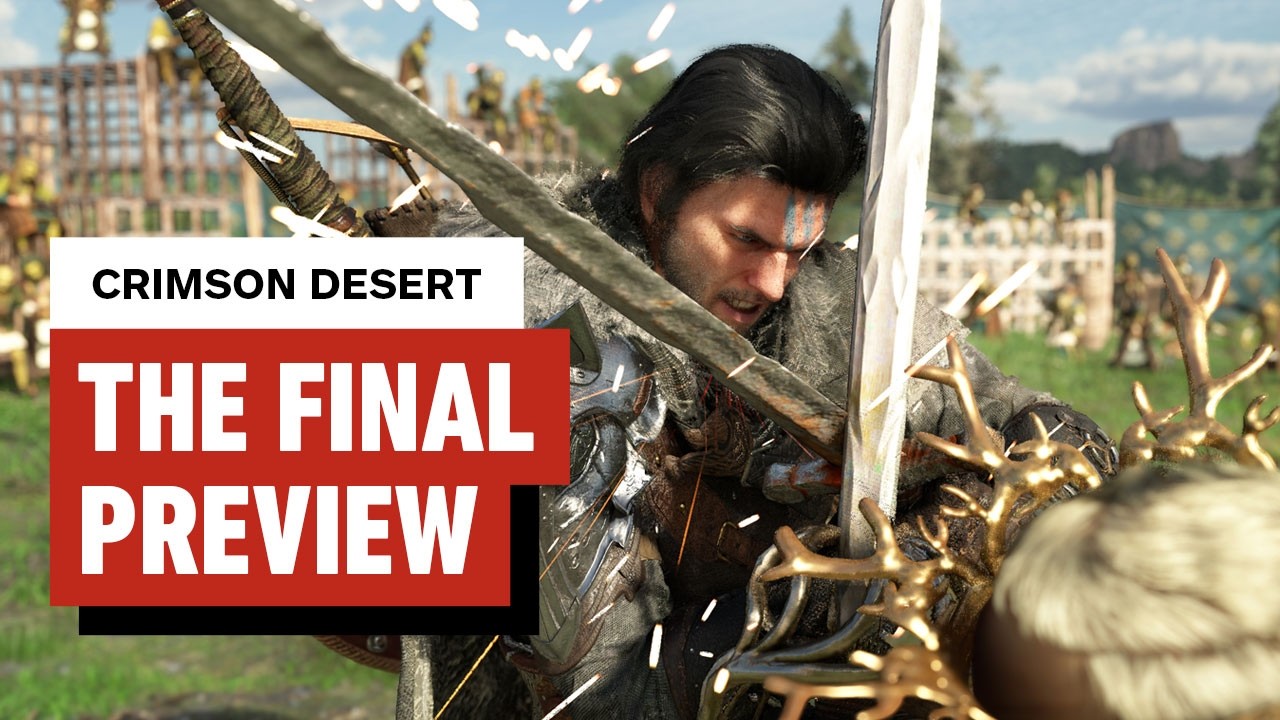
Hands-on intelligence pegs Crimson Desert’s combat loop as intentionally scrappy. Instead of pristine animation locking and choreographed duels, engagements read more like bar brawls in armor. Physics-driven collisions, grapples, and knockbacks give every fight a slightly unstable feel, as if the system is always a split-second away from tipping into pure chaos.
Mounted combat and vertical traversal compound that volatility. Dropping from sky-island vantage points into ground-level encounters or riding through dense skirmishes turns the world itself into a weapon. The animation and hit-reaction pipeline appears tuned for impact readability rather than elegance—closer to stunt choreography than ballroom dance.
For combat designers, this is a notable pivot: Crimson Desert is prioritizing feel and systemic reactivity over strict combat orthodoxy.
World Design: Sky Islands, Systemic Density, and Constant Noise
Four-hour field evaluations describe a playspace built for maximum engagement density. From sky-island outposts, players can survey a continent that’s aggressively populated with quests, dynamic encounters, and opportunistic skirmishes. The world isn’t just large; it’s busy.
Verticality is a core design pillar. Grappling, climbing, and aerial routes reframe traversal as a tactical decision rather than a commute. The result is an open world where the Z-axis matters as much as the map’s footprint. For #gamedev teams, the lesson is clear: vertical layering plus reactive AI and physics can multiply perceived content without merely inflating map size.
Dynamic events and side missions appear woven tightly into travel routes, minimizing dead air. This supports the "persistent systems stress test" framing: the game wants you under pressure—socially, tactically, and spatially—almost all the time.
UI, Readability, and Combat-Readiness
Not all systems are battle-ready yet. Recon from the final preview flags the UI as a current liability in high-intensity scenarios. With so many concurrent systems—status effects, environmental hazards, mount states, grapples, and crowd control—the interface reportedly struggles to surface priority information cleanly.
From a development update standpoint, this is the most obvious late-stage optimization target. If Pearl Abyss can streamline combat readability—through cleaner iconography, smarter alert hierarchies, and reduced visual noise—Crimson Desert’s chaotic sandbox could feel intentional rather than overwhelming.
Strategic Takeaways for Developers
For studios tracking Crimson Desert as a sector bellwether, a few clear signals emerge:
1. Physics-Forward Combat as Differentiator
Crimson Desert leans hard into physics-aware interactions—throws, falls, mounted collisions, and environmental smackdowns. This gives fights a unique texture and replayability curve. Smaller #indiegame teams can adopt this philosophy in micro: a few well-tuned physics interactions can dramatically elevate moment-to-moment gameplay without AAA asset counts.
2. Verticality as Content Multiplier
Sky islands and layered traversal routes effectively stack gameplay on top of itself. This is a potent lesson: designing for vertical engagement can increase perceived world depth without simply expanding the horizontal map.
3. Embrace Chaos, Then Contain It with UX
The current build shows the upside and downside of systemic chaos. Emergent encounters and overlapping systems create memorable stories, but only if UI and feedback channels are disciplined. Crimson Desert’s next critical milestone is turning its wild sandbox into a readable one.
Outlook: High-Risk, High-Reward Sandbox
Right now, Crimson Desert reads as a high-risk flagship in the open-world combat sector. If Pearl Abyss can stabilize UI clarity and maintain performance under systemic load, it could redefine expectations for physics-driven RPG sandboxes. For developers, this week’s intel frames Crimson Desert less as a competitor and more as a live case study in how far you can push systemic design before it breaks—and how to pull it back from the edge.
Keep following Crimson Desert
News, guides, posts, and game details in one place.
Open the game hub, then save it to build your personal Breach feed.
More images and video

About the game
Crimson Desert
Pearl Abyss
Dive into the immersive universe of Crimson Desert, where the medieval fantasy setting of Pywel is meticulously brought to life by Pearl Abyss using Unreal Engine 5. Engage in dynamic co-op extraction shooter experiences or explore as a lone wolf in this rich open-world RPG simulation. Uncover the depth of Pywel's unique blend of MMO elements, physics-driven sandbox mechanics, and immersive medieval life simulation as you trade, gamble, or tame the wild. Prepare for a visceral gameplay loop filled with tactical combat intensity and endless exploration.
Open game pageTopics
Crimson Desert
Crimson Desert combat
Crimson Desert open world
Crimson Desert development update
physics-based combat RPG
systemic open world design
#gamedev
#indiegame
verticality in game design
emergent gameplay systems