Automated archive / Crimson Desert
Crimson Desert: Sandbox Warfare in a World Built for Chaos, Not Comfort
Crimson Desert is emerging as a high-risk, high-reward sandbox where physics, verticality, and chaotic combat take precedence over safe, scripted design. Our latest sector intel breaks down why this open-world RPG is less theme park and more live-fire systems lab.
AI-generated summary. This archive article does not have a current recorded source check. Check linked sources before relying on details. Editorial policy
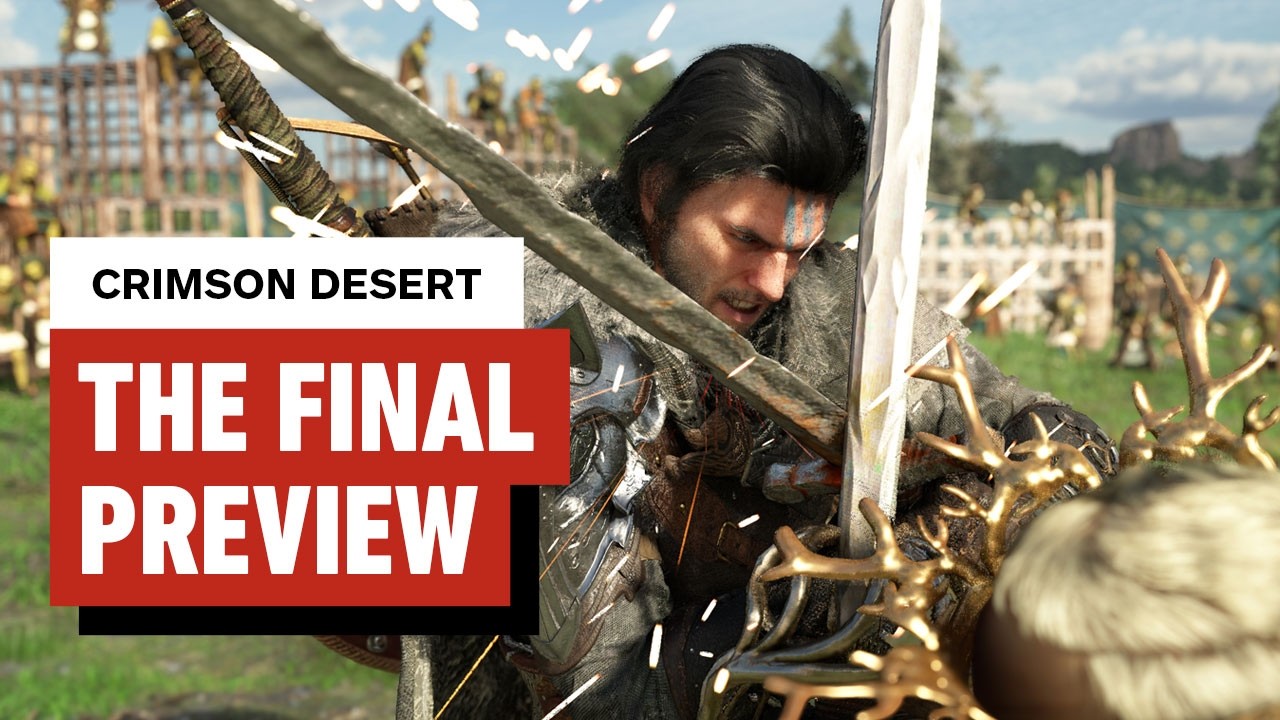
Sector Intelligence Report: Crimson Desert – Systems Under Live-Fire Evaluation
Crimson Desert has moved from curiosity to confirmed high-risk contender in the open-world action RPG space. Over the last week of field intel, the picture is clear: this is less a scripted fantasy epic and more a live systems test where physics, verticality, and player improvisation collide. For #gamedev observers and #indiegame teams studying large-scale systemic design, crimson desert is shaping up as a case study in how far you can push chaos without losing control.
Open World as Systems Lab, Not Theme Park
Recent hands-on reports describe a continent-sized playspace stitched together like a continuous stress test. From sky islands to dense town hubs, the world is tuned for constant stimulus:
- Sky-island vantage points act as both visual spectacle and macro-level design tools, letting players survey routes, activity clusters, and encounter density.
- Dynamic encounters appear to be layered atop traditional quest lines, turning traversal into a rolling dice of ambushes, events, and emergent skirmishes.
- Side content density suggests a deliberate rejection of minimalist open-world design. Crimson Desert wants the player in a near-constant state of decision-making, not idle wandering.
This aligns the game more with a systemic sandbox than a curated RPG tour. The open world isn’t just big; it’s aggressively interactive, and that has major implications for performance, UX, and long-term tuning.
Combat: Bar Brawl Energy in a High-Fidelity Shell
Watch: Transmitting Gameplay footage from the field: Official Crimson Desert gameplay trailer
Field analysis flags combat as the primary differentiator. Instead of clean, ballet-like action, Crimson Desert leans into messy, kinetic violence:
- Physics-aware melee: Enemies collide with props, stagger over edges, and react to impact in ways that amplify the sense of weight and chaos.
- Mounted combat: Horses and mounts are not just traversal tools but active participants in the combat loop, raising both spectacle and systemic risk (AI pathing, collision, crowd control).
- Grappling and environmental interaction: The ability to throw, slam, and leverage the environment pushes combat closer to a physics sandbox than a pure animation-locked system.
The result is combat that feels more like a bar brawl in armor than a staged duel. For developers, this means a complex balancing act between animation fidelity, input responsiveness, and systemic unpredictability.
Verticality and Traversal: Designing for Improvisation
Hands-on recon repeatedly calls out environmental verticality as a core pillar. Climbing, leaping, and navigating layered spaces contribute to a design ethos where players are encouraged to think three-dimensionally:
- Vertical choke points can be exploited for ambushes, escapes, or environmental kills.
- Sky platforms and elevated routes change how you approach objectives, turning even routine missions into tactical puzzles.
This vertical emphasis complicates enemy AI, navigation meshes, and encounter scripting—but it also opens the door to emergent stories that static, flat terrains rarely produce.
UI and UX: Combat-Ready, But Not Combat-Perfect
Watch: Transmitting Gameplay footage from the field: Short-form Crimson Desert combat slice
Despite the impressive systemic ambition, recent previews flag the UI as a current liability:
- Information density during combat sequences can obscure key tells and situational awareness.
- HUD clarity under high chaos (multiple enemies, physics props, mounts, and effects) is still under evaluation.
From a #gamedev perspective, this is the predictable friction point when you combine cinematic spectacle with sandbox volatility. The interface must prioritize legibility over flair if Crimson Desert wants to sustain long-session play without fatigue.
Narrative vs. Systems: Cinematic Bosses in a Chaotic Sandbox
Another interesting tension: cinematic boss encounters are layered atop a world that otherwise behaves like a loose, emergent simulation. Boss fights appear more tightly scripted, leveraging choreographed animations and set-piece arenas.
This hybrid approach—sandbox exploration plus authored climax—can work, but it demands robust state management. Systemic chaos must be temporarily constrained to let the spectacle breathe, then re-released once the fight concludes. How seamlessly Crimson Desert transitions between these modes will be a key metric to watch at launch.
Sector Outlook: High-Risk, High-Reward Deployment
Crimson Desert is positioning itself as a flagship in the open-world combat sector, not by chasing pure visual fidelity (though it clearly competes there), but by embracing systemic risk at scale. For developers and designers tracking this project as a live case study:
- Expect ongoing balance and tuning cycles post-launch as the team responds to emergent exploits and edge cases.
- Watch how quest design and narrative pacing adapt to a world that refuses to stay neatly on-script.
- Study the UI iterations between preview and release as a barometer for how the studio prioritizes clarity over spectacle.
In a landscape crowded with safe, formulaic open worlds, crimson desert is betting on volatility, improvisation, and physicality. If the systems hold under player pressure, this could become a reference point for the next wave of sandbox RPG design.
Sources and corrections
This archive entry does not have a verified article-source list. Images and video embeds alone are not evidence for every claim.
Found an error? Request a correction. Include the passage and a supporting source.
Your games, in one place
Keep up with Crimson Desert
Follow this game to collect its posts in your personal feed. Come back to see what you missed.