Automated archive / Counter-Strike 2
Cache Fortified, Nightmode II Deployed, and CS2’s Competitive Grid Tightens
Counter-Strike 2’s latest sector update quietly hardens Cache, syncs core systems like viewmodel FOV, and deploys a fresh NIGHTMODE II music kit wave. It’s a textbook example of live-service iteration that sharpens competitive integrity while expanding player expression.
AI-generated summary. This archive article does not have a current recorded source check. Check linked sources before relying on details. Editorial policy
Weekly Sector Intelligence: Counter-Strike 2
Counter-Strike 2’s latest operational window has been all about tightening the screws on competitive integrity: fortifying Cache, neutralizing a late-phase grenade-cancel exploit, and syncing core systems like viewmodel FOV and XP progression. For players, this week’s patch cycle reads less like a flashy content drop and more like a methodical hardening of the live-service backbone—exactly the kind of iteration that defines modern #gamedev on a tier-one competitive shooter.
Alongside the systemic work, Valve has also pushed the NIGHTMODE II music kit wave, reinforcing the game’s audio identity while giving players new levers for personal expression. It’s a classic CS2 move: micro-tuning the competitive layer while monetizing around the edges in ways that don’t compromise the skill ceiling.
Cache: From Legacy Liability to Fortified Theater
Sightlines, Surfaces, and Movement Corridors
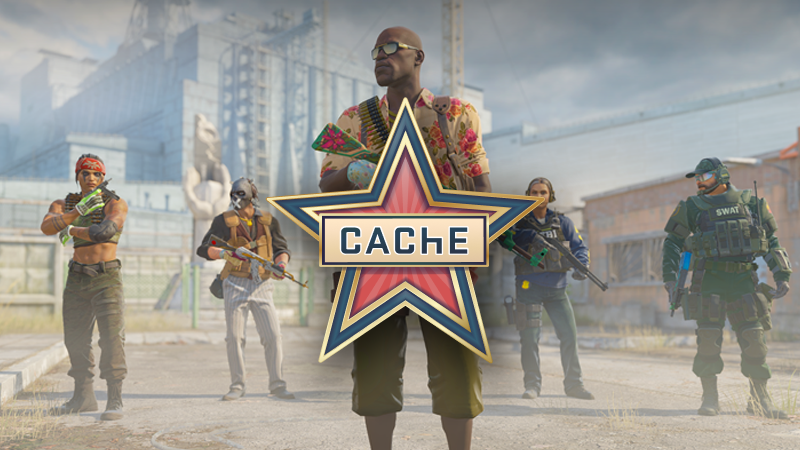
The Cache field patch is a textbook example of surgical map iteration in a live competitive environment. Valve’s notes call out “map holes SEALED” and “material surfacetypes CALIBRATED,” which reads like housekeeping, but in practice this is high-impact work for competitive Counter-Strike 2:
- Window lines of fire hardened with new grating: this narrows off-angle abuse and reduces stray bullet bleed-through, making duels more predictable and demos easier to parse for analysts.
- Player and grenade clipping tuned: cleaner collision on corners and props means fewer micro-snags when wide-swinging or jiggle-peeking, and more consistent grenade trajectories—critical at the highest levels where a single pixel off can throw an execute.
- Visual clutter at Sandbags replaced: this is a readability win. Reducing noisy geometry and textures around common hold points increases target visibility and reduces false positives in peripheral vision.
These changes are subtle but important for both pro teams and aspiring #indiegame designers studying CS2’s level design language. Cache continues to evolve as a case study in how to modernize a legacy map without erasing its identity.
Ordnance and Exploit Neutralization
The “grenade throw CANCEL EXPLOIT” fix near the late pin-pull phase closes a niche but abusable edge case. Any ability to fake or desync grenade state undermines the information game that underpins Counter-Strike 2. By tightening this window, Valve preserves the integrity of audio and animation tells—core pillars of the series’ tactical readability.
Systems Calibration: FOV, Movement, and Simulation Consistency
Viewmodel FOV and Occlusion
Syncing viewmodel FOV across clients is a quiet but crucial step for competitive fairness. Divergent FOVs can influence perceived recoil patterns, weapon visibility, and even how much screen real estate is obscured by the gun model. Standardizing this ensures that what you see—and don’t see—is no longer a hidden settings advantage.
Likewise, player occlusion bounds tightened means more reliable peeks and fewer instances where a model is technically visible to the engine but not clearly visible to the player. For a game where milliseconds and pixels decide rounds, tightening occlusion logic is non-negotiable.
Movement Smoothing and Post-Processing
The patch also re-tunes ground smoothing on takeoff and landing, which directly affects how movement inputs translate into on-screen acceleration and deceleration. For veterans, this can subtly change how counter-strafing, jump-peeks, and drop-offs feel. Valve’s ongoing iteration here reflects the tension between legacy CS muscle memory and the Source 2 engine’s physics model.
Post-processing transitions hardened for freeze-time exits further cleans up the moment when players snap from buy-phase into live action. Minimizing visual latency and effect blending at this junction keeps focus on crosshair placement rather than visual stutter.
Ragdolls, Death Velocity, and XP Grids
Restoring ragdoll death velocity under edge-case hits is partly aesthetic, but it also affects spectator clarity and demo readability—important for broadcast production and coaching tools. On the progression side, Deathmatch weapon score values realigned and XP thresholds in Deathmatch and Arms Race recalibrated signal ongoing tuning of CS2’s long-tail engagement loops.
For #gamedev teams, this is a reminder that progression systems in competitive shooters are never “done”; they’re live economies that require constant telemetry-driven adjustment to keep players cycling through modes without distorting the core ranked ecosystem.
Audio Front: NIGHTMODE II Music Kits and MVP Identity
Six-Track Payload and Storefront Strategy
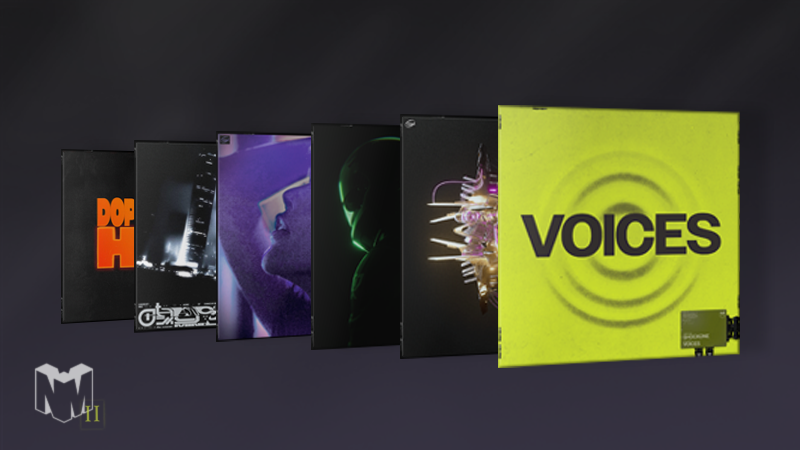
The NIGHTMODE II deployment pushes six new music kits into the CS2 store:
- ALRT – DOPAMINE HIT
- Altare – Change My Mind
- borne – Give It To Me
- Pirapus – EVERYNITE
- Repiet & Julia Kleijn – On And On
- ShockOne – Voices
This is a continuation of Valve’s long-running partnership strategy: leveraging external labels (here, NIGHTMODE Records) to keep the game’s soundscape culturally current without touching competitive balance. For Counter-Strike 2, music kits are pure expression and monetization—no gameplay modifiers, no stat boosts.
Round MVP Logic and Audio Telemetry
The update also tweaks NIGHTMODE II behavior with roundmvpanthem_02 firing at a 1:5 ratio. This calibrated trigger frequency avoids audio fatigue while still giving MVPs a distinct sonic signature. It’s a small but telling detail: Valve is treating MVP stingers as part of the game’s feedback language, not just cosmetic noise.
From a design standpoint, tying music kit behavior to round momentum is a subtle form of emotional pacing. It reinforces clutch moments without overwhelming the core soundstage of footsteps, utility, and gunfire that defines Counter-Strike 2’s tactical audio.
Toolchain and Workshop: Quiet but Critical
On the production side, the patch notes flag Source Filmmaker refinement stabilized and progressive rendering locked in, plus a fix where the model browser now correctly locks onto the active asset and a layered material bug eliminated. These improvements matter for:
- Community creators building cinematic content and esports packages.
- Modders and workshop authors treating CS2 as a sandbox.
- Internal iteration speed, as fewer toolchain friction points mean faster prototyping.
For #indiegame and #gamedev teams watching from the outside, this is a reminder that robust tooling is a competitive advantage. The healthier the creator ecosystem around Counter-Strike 2, the more persistent its cultural footprint.
Strategic Takeaways for the Sector
- Competitive Integrity First: Cache fixes, FOV sync, and exploit neutralization all push toward a more deterministic, skill-forward experience.
- Live-Service Micro-Iteration: Rather than headline-grabbing overhauls, Valve continues to ship a cadence of targeted, high-impact refinements.
- Monetization Without Compromise: NIGHTMODE II expands personalization while leaving the competitive layer untouched.
For players, this week’s Counter-Strike 2 development update is a stability and clarity buff across the board. For developers and analysts, it’s another signal that Valve is treating CS2 as a long-term platform—one that will be shaped as much by surgical systems work as by marquee content drops.
Sources and corrections
This archive entry does not have a verified article-source list. Images and video embeds alone are not evidence for every claim.
Found an error? Request a correction. Include the passage and a supporting source.
Your games, in one place
Keep up with Counter-Strike 2
Follow this game to collect its posts in your personal feed. Come back to see what you missed.
More to read about Counter-Strike 2
- Source-checked briefCounter-Strike 2 update changes timers and crosshairs
A Counter-Strike 2 update raises the maximum post-elimination countdown for end rooms and Convoy. It also adds crosshair options and fixes several reload-animation issues. The maximum...
- Source-checked briefCounter-Strike 2 adds Rush mode and Premier map voting
Counter-Strike 2’s Rush Hour update adds Rush, a queued 3v3 mode with randomly selected battle arenas. It also changes Premier’s map-selection process and adds optional silent reloads. The...
- Source-checked briefCounter-Strike 2 update changes demo chat playback
A September 9 Counter-Strike 2 update fixes map issues and adjusts how chat is stored and displayed in demo files. Team chat is no longer visible during demo playback, while global chat requires...