Automated archive / Counter-Strike 2
Cache Reawakens and CS2 Tightens the Angles
Cache is back in active duty and Dust II’s mid game is being surgically rewritten as Counter-Strike 2 doubles down on clarity, fairness, and competitive trust. This week’s Sector Intelligence Report breaks down the map overhauls, audio passes, and systemic fixes shaping the meta.
AI-generated summary. This archive article does not have a current recorded source check. Check linked sources before relying on details. Editorial policy
Sector Intelligence Report – Counter-Strike 2 Weekly Briefing
Counter-Strike 2’s live ops team just pushed a dense series of surgical tweaks that blend classic map design philosophy with modern engine discipline. Cache is fully reactivated, Dust II’s mid game is being rewritten, and a string of systemic fixes targets readability, movement stability, and audio clarity—all critical pillars for a title that lives or dies on competitive trust.
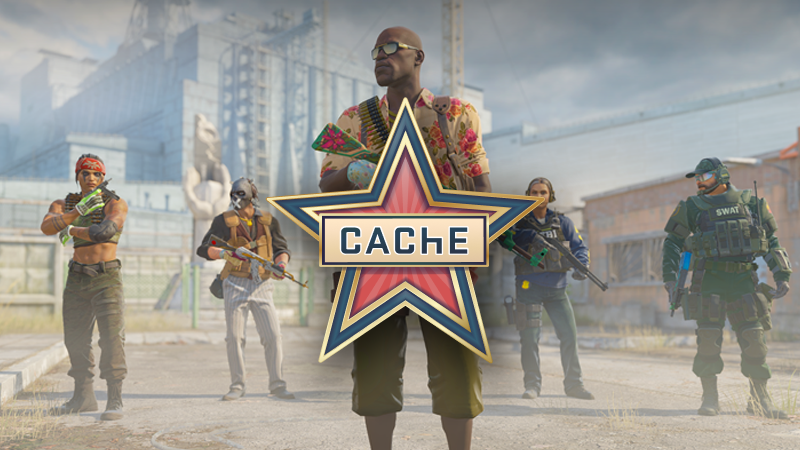
Cache Returns: Classic Three-Lane Theory in a Modern Shell
The headline move is clear: Cache is back online in Counter-Strike 2, now live in Competitive, Casual, Deathmatch, and Retakes. Design-wise, this is Valve doubling down on a proven three-lane structure that rewards:
- Disciplined crossfires: The map’s geometry naturally encourages structured setups rather than loose, aim-duel chaos.
- Utility drills: Tight choke points and sightlines make exec lineups and counter-nades a mandatory skillset.
- Squad coordination: Rotations and re-takes hinge on synchronized timing rather than solo heroics.
From a #gamedev perspective, this isn’t just a nostalgia play—it’s a calibration tool. By reintroducing a known quantity, the team can measure how Source 2 lighting, audio, and movement changes impact a legacy layout players understand down to the pixel.
Cache Reforged: Micro-Adjustments With Macro Impact
Within days of Cache’s return, Valve shipped a targeted refinement pass:
- Bomb blast radius expanded: This subtly reshapes post-plant positions, punishing overly greedy save spots and lazy plants.
- Vent lighting & clutter cleanup: Squeaky door entry is smoother and more legible, reducing visual noise in a notoriously scrappy contest zone.
- E-box rebuild on A: Clearer firing lines reduce ambiguous peeks and improve attacker/defender read parity.
- B Main tightening & Checkers framing: Adjusting lane width and framing angles controls jiggle-peek dominance and clarifies who sees whom first.
- AC removal at Sandbags & piping reposition: Overhead cover changes tweak grenade trajectories and vertical clear paths.
Technical polish backs all of this: world holes in Sun Room sealed, A Main wall-bang exploits neutralized, and grenade/player clipping reworked. This is classic live-service map stewardship—removing edge-case exploits while preserving the strategic DNA of the layout.
Dust II: Mid Control Under New Management
Dust II’s mid has long been the beating heart of its macro game. This week’s mid box (Xbox) corner sightline block is a deliberate strike against abusive intel angles that let defenders over-perform with minimal risk.
There’s also a notable twist: a hidden jump lane is now explicitly open and confirmed as intentional. That’s a rare, overt nod from the devs that they’re willing to codify what used to be trick-tech into official route design. It shifts mid from static AWPer control toward more creative flanking play, aligning with modern expectations for dynamic map flow.
Movement, Visibility, and Aim Punch: Competitive Trust Work
On the systems side, Counter-Strike 2’s latest operational patch briefing reads like a trust-building exercise for the esports ecosystem:
- Aim punch hard-capped at 90 degrees: This sets a predictable ceiling on how badly your aim can be thrown off under fire. For high-level players, consistency beats realism every time.
- Ground smoothing at slope-step junctions: Subtle, but vital. Movement stability is a core part of CS’s mechanical identity; micro-stutters or unexpected snaps erode confidence in the engine.
- Third-person weapon visibility with secondary trace: Better representation of weapon position improves spectator clarity and reduces desync between what players see and what observers interpret.
- Defuse cables visible through full occlusion: A small, high-impact change for both players and broadcast. It makes defuse states more readable in chaotic post-plants, tightening the storytelling loop.
These are the sorts of changes that don’t headline a trailer but matter deeply to pros, analysts, and #indiegame developers watching how a top-tier competitive shooter maintains systemic integrity.
AnimGraph 2 and Viewmodel Discipline
The AnimGraph 2 updates are focused on presentation cleanliness:
- Removal of the grenade counter-strafe hand-pop for cleaner weapon presentation.
- Talon and Karambit now held correctly while defusing, eliminating visual confusion in critical bomb moments.
- Exploit fix preventing players from ending up with no weapon after a hand switch post-grenade.
For a game like Counter-Strike 2, viewmodel consistency is more than cosmetic—it’s UX-critical feedback. Any animation artifact that suggests a state the game logic doesn’t support (or vice versa) undermines player trust.
Audio Grid: Cutting Clutter, Preserving Signal
The audio pass this week targets signal-to-noise optimization:
- Speculative fix for total audio loss: A catastrophic bug for a sound-driven shooter. Even a “speculative” label signals active triage.
- C4 equip sound now cleanly interruptible: Prevents overlapping chaos in high-stress weapon swaps.
- First-person death sound removed when music kit death cue is absent: Less redundant audio, more room for critical cues.
- Flashbang opacity tuned for true occlusion & more consistent smoke lighting: Visual and audio occlusion need to align; when they don’t, players feel cheated.
Add in the shader fix for AO on alpha-tested surfaces (no more chunky silhouettes on railings) and restored AO controls in the Environment Blend shader, and you get a clear picture: Valve is homing in on readability across all channels—visual, audio, and spatial.

Engine Triage and Legacy Hardware
One of the quieter but important notes: on-demand shader compile fatal errors on legacy GPUs have been neutralized. That’s a strong signal that Counter-Strike 2’s live team isn’t willing to abandon lower-end hardware yet. For a globally dominant competitive title, that’s essential—accessibility is part of the competitive ecosystem, not a side concern.
The fix to bot takeover economy (making sure the correct player pays the bill) is in the same philosophy bucket: systemic fairness, even in edge-case flows, matters.
Strategic Takeaways for Developers and Competitors
For players, this week is about re-learning Cache’s timings, adjusting Dust II mid protocols, and internalizing new visual/audio reads. For #gamedev observers, it’s a case study in how a mature live-service shooter can:
- Iterate on legacy maps without erasing their identity.
- Use micro-adjustments to rebalance macro-strategic flows.
- Prioritize clarity and consistency over raw spectacle.
Counter-Strike 2’s latest development update doesn’t scream for attention—but it quietly reinforces the game’s core contract with its audience: if you lose, it should be because the other side played better, not because the engine lied to you.
Sources and corrections
This archive entry does not have a verified article-source list. Images and video embeds alone are not evidence for every claim.
Found an error? Request a correction. Include the passage and a supporting source.