Automated archive / Counter-Strike 2
Cache Returns, Animgraph 2 Lands, and Counter‑Strike 2 Tightens the Screws
Counter-Strike 2’s latest operational cycle is all about competitive clarity: Cache returns with modernized lanes, Dust II mid is re‑drawn, and Animgraph 2 quietly reshapes how every duel is read. From aim punch caps to audio grid tuning, Valve is tightening the game’s information economy at every layer.
AI-generated summary. This archive article does not have a current recorded source check. Check linked sources before relying on details. Editorial policy
Weekly Sector Intelligence: Counter-Strike 2 Undergoes Tactical Recalibration
Counter-Strike 2’s live ops tempo hasn’t slowed—this week delivered a dense sequence of surgical map overhauls, animation pipeline upgrades, and combat readability fixes that quietly redefine how rounds play out at every skill bracket. From the full redeployment of Cache to a hard cap on aim punch, Valve’s latest development update leans hard into competitive clarity and systemic stability.
Cache Returns: Classic Three-Lane Warfare, Modernized
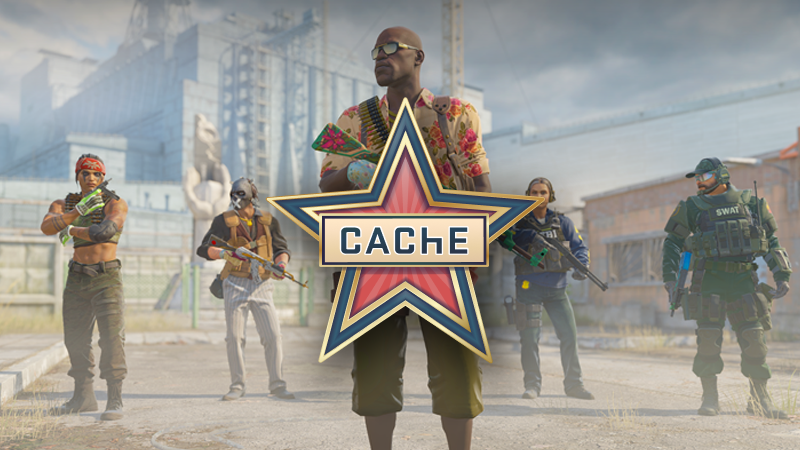
Cache Re‑enters the Rotation
Cache is officially back online across Competitive, Casual, Deathmatch, and Retakes. The classic three-lane structure remains intact—A, mid, and B still form the backbone—but the #gamedev team has clearly treated this as a remaster, not a museum piece.
Key changes aimed at both high‑level play and broader readability:
- Bomb blast radius expanded: Executions and retakes now carry more lethal consequence. Post‑plant positions that were previously safe will need to be re‑evaluated, especially in default A and B setups.
- Squeaky and E‑box cleanup: Squeaky door clutter is stripped for smoother entries, while A‑site E‑box has been rebuilt for clearer lines of fire. This reduces visual noise and makes crossfire logic more intuitive for both veterans and new recruits.
- B Main and Checkers geometry tweaks: B Main is tightened with a lower Checkers frame, subtly re‑tuning timings and peeking behavior. Combined with the removal of the overhead AC at Sandbags and repositioned piping, B‑site fights should feel more deliberate and less janky.
- Audio and collision integrity: Crate tops now reliably broadcast footsteps, world holes in Sun Room are sealed, and A Main wall‑bang exploits are neutralized. The map’s information game becomes more trustworthy—a critical pillar for any competitive map in counter-strike 2.
For teams, this means re‑running full playbook validations: re‑smoking mid, re‑testing B executes, and updating pre‑aims around A’s reworked cover. The return of Cache isn’t just nostalgia; it’s a demand to re‑author your play patterns.
Dust II: Mid Control Rewritten
Dust II receives a more targeted but strategically heavy change: the Xbox corner sightline is now blocked to deny abusive intel angles. Mid control on Dust II has always been a central macro lever; this adjustment pushes the map away from ultra‑efficient information gathering and back toward risk‑weighted peeks and utility usage.
In parallel, another operational note flags a "hidden jump lane" at mid now open and explicitly labeled as intentional. This creates fresh flank routes and timing traps, shifting how both CTs and Ts evaluate mid pressure, rotations, and A‑split threats.
Animgraph 2: Animation as Competitive Infrastructure
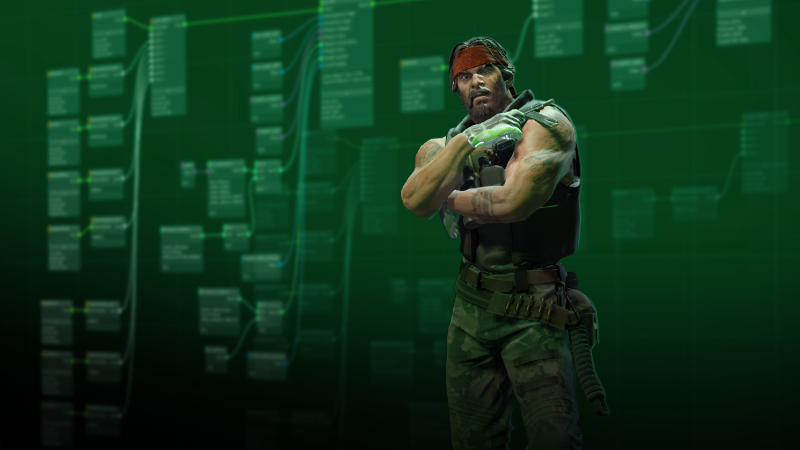
The rollout of Animgraph 2 is the quiet star of this week’s development update. While it reads like a technical footnote, it directly affects how players interpret combat states moment‑to‑moment—a core concern for any #indiegame or AAA competitive shooter.
Highlighted improvements:
- Shell flicker and dual‑wield bugs removed: Visual inconsistencies on weapons like the XM1014 and Dual Berettas are neutralized, so what you see in first person and spectator is reliable. This matters for esports broadcast clarity and demo review.
- Foot IK and in‑air crouch alignment: Foot placement and crouch states now sync better between first‑ and third‑person. “What you see is what the enemy gets” is not just flavor text—it’s essential for accurately reading peeks, jiggles, and jump‑crouch behavior.
- Stutter‑step and leg snapping stabilized: Sudden pose spikes on hard stops are smoothed out, making silhouettes more readable in tight angles. In a title where milliseconds and pixels decide rounds, silhouette clarity is a gameplay feature, not just an animation flourish.
- Bomb plant timing parity: Third‑person bomb plant now tracks first‑person timing, closing a subtle but meaningful gap between what’s happening and what’s being visually communicated.
For developers watching from the outside, this is a textbook example of using animation systems as competitive infrastructure rather than pure aesthetics—a design philosophy that’s increasingly relevant across #gamedev.
Systems and Combat Readability: From Aim Punch to Audio Grid
Beyond maps and animation, this week’s patches push hard on systemic reliability:
Aim Punch and Weapon Handling
- Aim punch hard‑capped at 90 degrees: This sets a ceiling on how violently your crosshair can be displaced when hit. It preserves the value of first contact while preventing extreme, low‑agency outcomes. The result is a more consistent experience in high‑time‑to‑kill duels.
- Empty‑hand exploit removed: A bug where players could end up with no weapon after a hand switch post‑grenade has been closed. In a live‑fire environment, “no weapon” should be a tactical choice (knife out, utility in hand), not a desync bug.
Audio: Signal Over Noise
The “audio grid” receives another round of tuning, targeting clarity rather than volume:
- C4 equip sound now interrupts cleanly: No more muddy stack of overlapping sounds during high‑stress swaps; you get a sharper read on whether the bomb is actually being handled.
- First‑person death sound conditional removal: If the music kit death cue can’t be heard, the game avoids layering in redundant audio clutter. Less noise, more usable information.
- Speculative fix for total audio loss: One of the most destructive issues in any competitive shooter—full audio dropouts—has a fix in play. If it holds, this is a major stability win.
At the engine level, crashes tied to custom audio devices and sound overrides are “purged,” further stabilizing the environment for players with non‑standard setups.
Visual & Collision Polish: Micro‑Fixes, Macro Impact
Several low‑level adjustments collectively raise the floor of competitive trust:
- Defuse cables visible through full occlusion: Defuse status becomes easier to verify in chaotic post‑plants.
- Crouch‑jump camera ceiling breaches patched: No more unintended information from camera clipping.
- Smoke and flash tuning: Flashbang particle opacity is tuned for true occlusion, and smoke lighting is made more consistent, tightening the visual contract around utility usage.
- AO and surface fixes: Ambient Occlusion controls are restored, AO on alpha test surfaces is fixed, and chunky silhouettes on elements like Mirage railings are cleaned up. Target acquisition gets incrementally sharper.
- Ground smoothing at slope‑step junctions: Subtle movement stabilization reduces micro‑stutters that can desync perception and input.
Even the economy gets a touch‑up: bot takeover now bills the correct player, closing a frustrating edge case in team economy management.
Technical Lifelines: Legacy Hardware and Workshop Ecosystem
Shader compilation errors on legacy GPUs have been explicitly addressed, giving older systems a “lifeline.” In parallel, Community Stronghold and Poseidon are updated to their latest Workshop builds, reinforcing Valve’s ongoing interest in community‑driven content within the counter-strike 2 ecosystem.
For #indiegame developers, this is a live case study in how to maintain a competitive flagship while still nurturing community maps and lower‑spec audiences without fragmenting the experience.
Strategic Takeaways for Players and Developers
For players, the message is clear: update your muscle memory. Cache’s relaunch, Dust II’s mid rework, and the new animation and audio behavior mean that old instincts need verification. Scrim on the reworked maps, rebuild utility lineups, and pay close attention to how fights “feel” under the new aim punch and animation rules.
For developers and #gamedev observers, this week’s Counter-Strike 2 sector report highlights a mature live‑service philosophy: prioritize readability, close exploits, and never treat animation, audio, or collision as “just polish.” In a game where every frame is contested, these are primary systems, not secondary aesthetics.
Sources and corrections
This archive entry does not have a verified article-source list. Images and video embeds alone are not evidence for every claim.
Found an error? Request a correction. Include the passage and a supporting source.