Automated archive / Counter-Strike 2
Cache Returns, Recoil Rewinds, and ANIMGRAPH 2 Sharpens Counter-Strike 2’s Combat Readability
Cache is back, recoil is rewired toward CS:GO muscle memory, and ANIMGRAPH 2 is quietly reshaping how Counter-Strike 2 communicates combat. This week’s Sector Intelligence Report breaks down how Valve is tightening visual, audio, and movement feedback to rebuild competitive trust.
AI-generated summary. This archive article does not have a current recorded source check. Check linked sources before relying on details. Editorial policy
Weekly Sector Intelligence: Counter-Strike 2 Combat Systems Under the Knife
Counter-Strike 2’s last seven days read like a live ops clinic: a legacy map re‑enters the rotation, recoil is dragged back toward CS:GO muscle memory, and ANIMGRAPH 2 quietly rewires how players read silhouettes, movement, and impact. This isn’t a splashy content drop; it’s a deliberate, systems‑level tightening that matters for anyone serious about competitive play, #gamedev analysis, or live‑service balance.
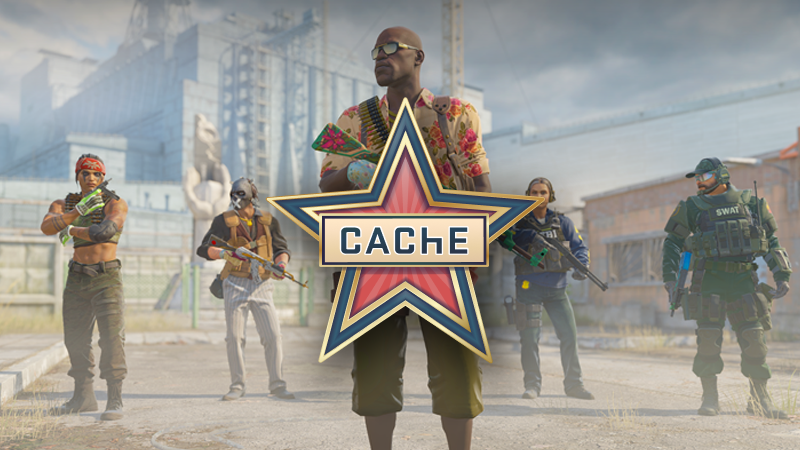
Cache Re‑Deployed: Classic Three-Lane Theorycrafting Returns
The headline move is clear: Cache is back online in Competitive, Casual, Deathmatch, and Retakes. For Counter-Strike 2, this is more than nostalgia.
- Three‑lane structure, modern engine: Cache’s classic mid‑centric design returns as a clean testbed for smokes, flashes, and crossfire discipline. In CS2’s sub‑tick environment, lineups and timings will need fresh lab work; legacy muscle memory is a starting point, not a solution.
- Onboarding and high‑level play: For new players, Cache offers readable routes and fast feedback on utility fundamentals. For veterans, it’s a high‑signal environment to benchmark CS2’s movement, peeker’s advantage, and recoil changes against a known quantity.
- Map pool implications: Re‑introducing Cache into Competitive rotation signals Valve’s willingness to lean on proven geometry while the Source 2 pipeline matures. For #indiegame and #gamedev teams, it’s a case study in how legacy content can be re‑contextualized inside a new technical framework without fragmenting the player base.
Recoil Sync Protocol: CS:GO Feel, CS2 Logic
The Recoil Sync Protocol patch is a direct response to long‑running community friction: CS2’s camera recoil and visual feedback often felt disconnected from where bullets actually landed.
- Camera recoil realigned to CS:GO: The camera now tracks recoil much closer to legacy CS:GO while preserving CS2’s underlying bullet paths. Practically, that means players can lean on years of learned spray patterns without fighting the sight picture.
- Latency‑agnostic feedback: Visual recoil now reflects punishment from incoming fire in full motion regardless of ping, while the server still authoritatively resolves bullets. This is crucial for high‑level play where micro‑corrections are made based on what the eye reads frame‑to‑frame.
- Competitive clarity: MVP panel fixes and minor viewmodel tuning may sound minor, but they reduce visual desyncs that can subtly erode trust in the game. In an esport where confidence in feedback loops is everything, this is foundational work.
ANIMGRAPH 2: Silhouette, Readability, and Exploit Removal
ANIMGRAPH 2 has been aggressively iterated this week, and it’s doing more than just smoothing legs.
- Movement readability: Shell flicker on the XM1014 is gone, Dual Berettas first‑person and spectator glitches are cleaned up, and foot IK transitions are now smoother. Airborne crouch now syncs with third‑person, aligning what you see with what your enemy presents.
- Pose stability: Stutter‑step pose spikes and snapping legs on hard stops have been stabilized. In practical terms, this makes enemy movement easier to parse at a glance, reducing misreads in tight peeks and swing duels.
- Exploit and timing fixes: The inspect/cancel multi‑deploy exploit has been stripped out, and planted‑turn limbo states have been cleared. Bomb plant third‑person now tracks first‑person timing, closing the gap between what players think is happening and what the server knows is happening.
Audio and Visual Intel: Cleaning the Combat Noise Floor
Valve is also attacking information clutter—audio and visual.
- C4 equip sound logic: The C4 equip sound now interrupts cleanly instead of overlapping during frantic weapon swaps. This makes bomb handling states more readable in chaotic post‑plants.
- Death audio decluttering: First‑person death sounds are removed when the music kit death cue can’t be heard, trimming redundant noise and focusing players on actionable sound cues.
- Shader and AO fixes: Ambient occlusion on alpha test surfaces (like Mirage railings) has been corrected, eliminating overly dark silhouettes that could mislead target acquisition. Character textures have been corrected for mis‑assigned visuals, tightening close‑quarters identification.
Terrain, Collisions, and Economy Safeguards
The micro‑patches filling in around the headline updates are pure infrastructure, but they matter.
- Terrain smoothing: Razor‑thin ledges now respect “true standable ground,” reducing instances of phantom footing. This is vital for both competitive integrity and level design sanity—movement exploits become harder to reproduce, and routes become more predictable.
- Collision passes: Office tarp collision around CT spawn has been locked in, removing phantom cover and aligning visual cover with actual bullet blocking. Dust II mid box changes and the newly opened jump lane are deliberate flow rewrites, not bugs—teams will need to re‑script mid control protocols.
- Trading hard cap: All trade offers containing Counter-Strike 2 assets are now capped at 1,000 items. This is a direct control on potential economy exploits and automated bulk trading, a reminder that live‑service development updates now span both gameplay and virtual economies.
Strategic Read: Where Counter-Strike 2 Is Aiming
Across Cache’s return, recoil rewinds, ANIMGRAPH 2 refinements, and micro‑tuning of terrain, audio, and shaders, Counter-Strike 2 is visibly entering a stability and trust‑building phase. The focus is on:
- Making what you see and hear map as closely as possible to what the server enforces.
- Using a legacy map like Cache to benchmark and validate the modern engine.
- Hardening the trading layer to keep the broader ecosystem healthy.
For players, this week is about recalibrating muscle memory and re‑learning old spaces under new rules. For #gamedev and #indiegame teams, it’s a sharp case study in how a flagship competitive shooter iterates on feel, feedback, and fairness without pausing the live environment.
Sources and corrections
This archive entry does not have a verified article-source list. Images and video embeds alone are not evidence for every claim.
Found an error? Request a correction. Include the passage and a supporting source.
Your games, in one place
Keep up with Counter-Strike 2
Follow this game to collect its posts in your personal feed. Come back to see what you missed.
More to read about Counter-Strike 2
- Source-checked briefCounter-Strike 2 update improves demo replay tools
A Counter-Strike 2 update adds demo download progress tracking and paused-demo camera options, while also changing a server backup setting and improving Vulkan renderer stability. Demo and replay...
- Source-checked briefCounter-Strike 2 update adjusts AUG reload and audio
A Counter-Strike 2 update adds a dropped defuse-kit ping indicator, shortens AUG reload time, and fixes several audio and map issues. Dropped defuse kits have a ping icon. The AUG reload is half a...
- Source-checked briefCounter-Strike 2 update fixes grenade crosshair display
A Counter-Strike 2 update fixes grenade crosshair rendering for a specific thickness setting and makes equipped gloves visible in more interface scenes. It also includes map lighting and...