Counter-Strike 2 Sector Intelligence: ANIMGRAPH 2 Goes Live, Recoil Rewinds to CS:GO, and the Economy Tightens
Counter-Strike 2 Sector Command Uplink
Sector Intelligence Report: Counter-Strike 2 – Week of Tactical Refinement
Operational Badge: Counter-Strike 2 Visual Transmission
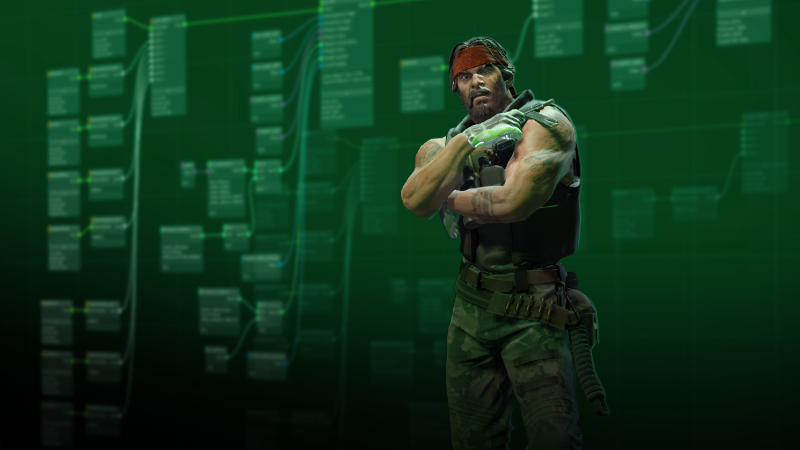
ANIMGRAPH 2: The New Backbone of Weapon and Character Motion
- Viewmodel tightening & deploy logic cleanup – Weapon draw and inspect sequences have been streamlined, reducing visual jitter and timing inconsistencies that can erode trust in first-person feedback.
- Knife attack transitions locked in – Melee animations are now more deterministic, an important factor for both readability in close quarters and competitive fairness.
- Elite pistols fixed in third-person – Third-person fire states now properly reflect elite pistol usage, ensuring spectator and demo views stay in sync with actual gameplay.
- Foot IK and idle stance refinement – Subtle, but critical for modern shooters: feet now plant more believably, and idle stances look less floaty, aligning CS2 with contemporary animation standards from both AAA and #indiegame shooters.
- Exploit neutralization – Fast weapon-switching during inspections and a ladder movement exploit have been specifically called out and shut down, signaling that the new graph isn’t just visual polish—it’s a control layer for systemic abuse.
Recoil Sync: Rewinding the Camera to CS:GO While Keeping CS2’s Netcode
- Camera motion restored to CS:GO-style behavior – Visually, recoil now tracks more like the legacy title, narrowing the “feel gap” that many high-level players flagged during CS2’s rollout.
- Server-authoritative bullets remain – Despite the old-school look, bullet resolution is still dictated instantly by the server. This maintains CS2’s network model while giving players familiar sight feedback.
- Airborne crouch transitions desnapped – Mid-air crouch changes no longer snap unnaturally, improving both visual coherence and hitbox expectations.
- MVP panel visual resets fixed – Post-round presentation now resets cleanly, a small but important detail for broadcast, esports production, and spectator clarity.

Counter-Strike 2 Strategic Overview Capsule
Burst-Fire Rhythm Restored: Weapon Cadence as a Design Contract
- Recoil windows become predictable again – Players can re-learn and rely on specific burst timing for spray correction and crosshair resets.
- Data consistency improves – Demo reviews, aim training tools, and pro analysis all benefit from a stable, spec-accurate fire pattern.
Terrain, Movement, and Ground Truth: No More Phantom Footing
- Razor-thin ledge handling recalibrated – The engine now more strictly defines what is and isn’t standable terrain. This reduces instances of “phantom footing,” where players could momentarily stand on slivers of geometry that looked non-viable.
- Slope-to-flat transitions tuned – Ground smoothing at these junctions has been refined, which should cut down on micro-stutters or unexpected movement snaps during peeks and repositioning.
- Ladder exploit neutralized – Movement abuses tied to ladder interactions have been addressed, reinforcing the principle that mobility advantages must be intentional, not emergent glitches.
Visual Identity and Character Clarity
- Mis-assigned character textures fixed – Close-quarters target ID is now more reliable, especially in tense, low-visibility engagements.
- Viewmodel vs worldmodel sync – Grenade throws and weapon states now align more consistently between first-person and third-person representations, crucial for both demos and spec mode in tournaments.
- Counter-strafe head dip adjusted – The subtle head movement during counter-strafing has been tuned for clearer combat feedback, helping players better parse motion and shot timing.
Stability, Crashes, and Version Discipline
Economy & Trading: Hard Caps for a Cleaner Market
- Trade offers containing Counter-Strike 2 assets are now hard-capped at 1,000 items.
- Limit exploit vectors tied to massive, complex trades.
- Simplify validation and reduce backend strain.
- Keep the CS2 economy more transparent and manageable for both players and third-party services.
Strategic Takeaways for the Week
- CS2 is converging on CS:GO’s feel without abandoning its modern tech stack. Recoil visuals, motion, and terrain feedback are being aligned with player expectations while preserving server-side logic and engine upgrades.
- ANIMGRAPH 2 is the new core of motion design. Expect future content and weapon behavior to lean heavily on this system, with continued tuning as edge cases surface.
- Competitive integrity remains the north star. From ladder exploits to phantom footing and burst-fire cadence, the week’s updates all push toward a more deterministic, readable game.
- The economy is under active governance. The 1,000-item trade cap signals a proactive stance on exploit prevention and market stability.
News, guides, posts, and game details in one place.
Open the game hub, then save it to build your personal Breach feed.
More images and video
Counter-Strike 2
Counter-Strike 2 reinvigorates tactical shootouts with a fully overhauled localization system, ensuring every round of this co-op extraction shooter feels immersive across global stages. Developed on the robust Source 2 engine, the game delivers unmatched precision and realism in its gritty urban environments. Players will revel in its strategic gameplay loop, as split-second decisions blend with intense close-quarters combat to create an electrifying experience. With its focus on community and competitive play, Counter-Strike 2 stands as a testament to the evolution of tactical shooter landscapes.
Open game page