Automated archive / Counter-Strike 2
Counter-Strike 2’s Ammunition Doctrine Just Went Full Sim
Counter-Strike 2 just rewired its core combat logic, turning every reload into a high-stakes decision while rolling out in-server tactical guides and a regional X-Ray inventory system. This is not a balance patch; it’s a systemic shift that reshapes how squads fight, learn, and spend.
AI-generated summary. This archive article does not have a current recorded source check. Check linked sources before relying on details. Editorial policy
Sector Intelligence Report – Counter-Strike 2
Counter-Strike 2 just received its most radical systemic shake-up since launch, and it hits the heart of the experience: ammunition, economy, and on-the-fly tactical learning. This week’s field data shows Valve pushing CS2 closer to a grounded combat sim while quietly rolling out tools that could reshape how both casual squads and esports lineups practice, learn, and monetize the game.
Ammunition Protocol Overhaul: Every Reload Is a Decision
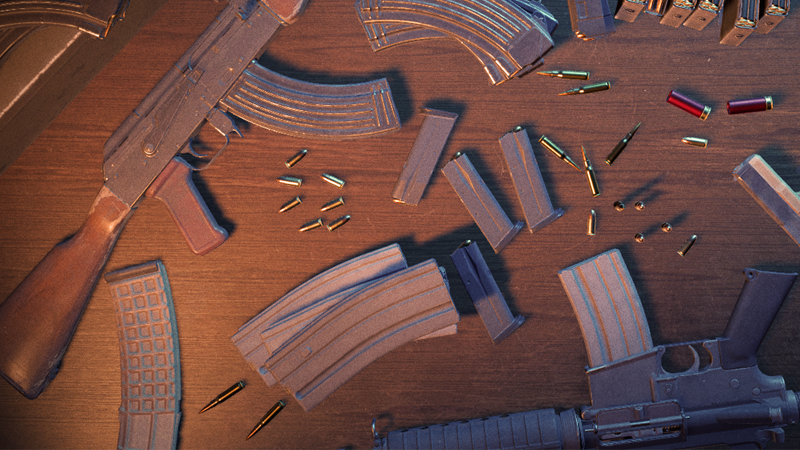
The old, invisible ammo pool is gone. Counter-Strike 2 now treats magazines as physical, expendable resources. When you reload a magazine-fed weapon, you dump the remaining rounds in that mag. Those bullets are not recycled into a shared reserve; they’re simply gone.
From a #gamedev perspective, this is a foundational systems change, not a balance tweak:
- Magazine-Based Reserves: Reserves are now tracked as discrete magazines, shells, or bullets, with a new fill-level bar under the ammo readout. This UI affordance is crucial: it visualizes what used to be abstract, forcing players to internalize ammo state as part of their tactical mental model.
- Per-Weapon Reserve Tuning: Most rifles ship with three spare mags, precision weapons carry fewer, and high-volume wall-bang weapons get more. This lets designers sculpt role identity through logistics, not just damage and recoil.
- Reload as Commitment: The classic habit of “topping off” after every duel now has a clear opportunity cost. In late rounds, a careless reload can leave you entering a retake with half your expected total ammo.
This is a rare case where a live-service shooter leans harder into simulation. For competitive players, the meta implications are huge: post-plant ammo management, eco round value, and even spray discipline now intertwine with the economy layer. For #indiegame developers watching from the sidelines, CS2 just delivered a masterclass in how a single systemic change can cascade through pacing, tension, and player behavior.
Tactical Map Guides: Learning the Meta, In-Server
Alongside the ammo rewrite, Counter-Strike 2 is quietly attacking one of the genre’s longest-standing friction points: the gap between watching lineups on YouTube and executing them in an actual ranked match.
Competitive and Retakes modes now deploy limited tactical map guides for the opening five rounds, capped at 30 nodes. These are minimal, curated overlays for every Active Duty map, surfacing:
- Key utility lineups
- Common setups and holds
- High-value map control zones
Server operators can control these via cvars:
- Disabled, Limited, or Full + Editable annotations
- A separate cvar for how many rounds guides stay active (with
-1for unlimited)
For esports teams, this is a built-in, low-friction scrim assistant. For everyday ranked players, it’s a subtle but meaningful onboarding layer: you learn while playing, not just in custom lobbies or external guides.
From a #gamedev lens, this is a strong example of embedded tutorialization—teaching advanced tactics without breaking immersion or offloading the responsibility to third-party creators.
Workshop & Practice: Live-Fire Training Goes Social
The update also boosts the Workshop ecosystem by allowing players to join friends running Practice or Workshop maps directly from the friends menu, as long as the party is open.
This small UX improvement has outsized design implications:
- Lower barrier to practice: Hopping into aim maps, nade trainers, or strat boards becomes as easy as joining a deathmatch.
- Social stickiness: Custom content is no longer a solo training ground; it’s a shared space for squads to rehearse executes and retakes.
- Creator value: For modders and #indiegame designers building CS2 workshop experiences, increased discoverability and frictionless co-op directly translate into more playtime and feedback loops.
In a live competitive ecosystem, anything that shortens the distance between “I saw this strat” and “my stack can actually run this” is strategically significant.
X-Ray Inventory Protocol: Regional Monetization Under the Scanner
On the economic front, CS2 is deploying a new X-Ray Scanner system for players in Germany and the Netherlands. This is a region-specific response to regulatory pressure around loot boxes, but it’s also a notable UX and monetization design pivot.
Key details from the field report:
- Dedicated Scanner Tab: All keyed containers now route through this scanner interface. There’s no bypass—this becomes the canonical way to interact with paid crates in those territories.
- One-Time Exclusive Reward: Players receive a non-tradable “Genuine P250 | X-Ray” that must be claimed before scanning other containers. It’s a clever onboarding hook that also anchors the feature’s identity.
- Keyless Containers Unchanged: Souvenir packages and other free-to-open drops stay outside the scanner flow, preserving a frictionless path for non-paid rewards.
For developers, this is a live case study in regional compliance by design: Valve is reshaping the container-opening loop without fragmenting the global item ecosystem. For players, it’s a more transparent, regimented layer over an established economy.
Strategic Outlook: A Sharper, Harsher Counter-Strike 2
Taken together, these updates signal a clear direction for Counter-Strike 2:
- More simulation-driven combat (ammo and reload discipline)
- More in-client tactical education (map guides and workshop joining)
- More region-aware monetization UX (X-Ray scanner protocols)
For the competitive scene, expect a short-term period of chaos as teams recalibrate ammo usage patterns and refine default strats around the new constraints. For #gamedev observers, CS2’s latest development update underlines how mature live games can still evolve at the systemic level—without abandoning their core identity.
Command conclusion: plan your engagements, count your magazines, and use the new intel tools—or perish.
Sources and corrections
This archive entry does not have a verified article-source list. Images and video embeds alone are not evidence for every claim.
Found an error? Request a correction. Include the passage and a supporting source.