Automated archive / Counter-Strike 2
Counter-Strike 2 Sector Intelligence: X-Ray Scanner Goes Live, Dead Hand Gloves Drop, and Valve Enters the Legal Arena
Counter-Strike 2’s latest week fuses legal pressure, cosmetics expansion, and UX rewiring into one of its most pivotal live-service updates yet. From the new X-Ray Scanner protocol to the Dead Hand glove drop and Valve’s pushback against the NY Attorney General, this is a blueprint moment for competitive shooters.
AI-generated summary. This archive article does not have a current recorded source check. Check linked sources before relying on details. Editorial policy
Sector Intelligence Report: Counter-Strike 2 – Week of Regulatory Fire and Inventory Rewrites
Counter-Strike 2 just logged one of its most strategically loaded weeks of 2026. Between the deployment of the X-Ray Scanner protocol in Europe, the arrival of the Dead Hand glove collection, and Valve’s formal pushback against the New York Attorney General, this cycle is less about micro patches and more about long-term live-service architecture. For #gamedev and #indiegame teams watching from the sidelines, this is a live case study in how monetization design, cosmetics pipelines, and legal risk now move in lockstep.
X-Ray Inventory Protocol: Crate-Opening Becomes a System, Not a Gimmick
Regional Rollout and Hard Gating
Valve has switched on the X-Ray Scanner for Counter-Strike 2 players in Germany and the Netherlands, routing all keyed containers through a new Scanner tab. There’s no bypass path: if you’re in those territories, the scanner is the only way to interact with key-locked crates.
Design-wise, that’s significant. It converts what used to be a frictionless, RNG-first interaction into a staged flow: open Scanner, preview, then commit. Souvenir Packages and other keyless containers remain outside the system, preserving a low-friction reward loop for non-paid drops.
The “Genuine P250 | X-Ray” as Onboarding Design
Every affected account gets a one-time, non-tradable Genuine P250 | X-Ray—but only if it’s claimed before any other scans. That’s not just a freebie; it’s a tutorialized artifact. By forcing the player to interact with the Scanner to secure the sidearm, Valve effectively teaches the new inventory protocol using a single, high-clarity reward.
For developers, this is a clean example of how to retrofit regulatory-friendly UX without completely burning your existing economy. The scanner introduces transparency and intentionality into the crate loop, a pattern other live-service shooters will be studying closely.
Dead Hand Collection: Community-Forged Cosmetics as Live-Service Fuel
17 Finishes, 22 Gloves, One Terminal
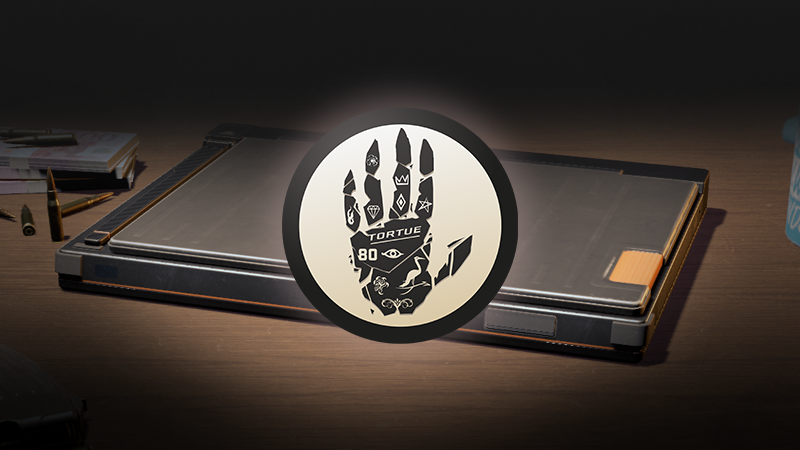
The Dead Hand Collection is live, bringing 17 community-forged finishes and 22 new gloves as rare special items. All of it flows through the Dead Hand Terminal, now wired into the weekly drop rotation.
This is Valve doubling down on community art as a first-class content pipeline. For Counter-Strike 2, it keeps the cosmetics economy feeling fresh without overloading the core dev team. For #gamedev and #indiegame creators, it’s a reminder that curated UGC can be a sustainable content strategy—if your tooling and curation are strong enough to maintain brand and quality.
Map-Level Adjustments: Competitive Integrity First
Alongside the cosmetic drop, the update quietly shipped key map changes:
- Dust II: A notorious pixel gap outside Long doors has been sealed, closing off abusive lines of sight.
- Alpine: Synced with the latest Workshop iteration, tightening combat flow based on community iteration.
These are small, high-impact nudges that keep Counter-Strike 2’s competitive spine intact while the cosmetic and monetization layers get louder. The message: balance and integrity still sit above the store.

Legal Front: Valve vs. NY Attorney General and the Future of Lootbox Design
Valve has formally challenged the New York Attorney General’s lawsuit targeting Counter-Strike 2, Dota 2, and Team Fortress 2 over lootbox systems and their accessibility to minors. The company is pointing to ongoing regulator briefings since early 2023, arguing that its virtual item economies are not simple gambling analogues.
From a development update perspective, this is as consequential as any gameplay patch. The outcome will shape how future crate, capsule, and pack systems are architected—not just for Valve, but for the entire industry. Expect more mechanics like the X-Ray Scanner: systems that preserve the excitement of randomized rewards while foregrounding transparency, player choice, and regional compliance.
For studios building the next competitive shooter, Counter-Strike 2’s current moment is a live blueprint:
- experiment with inventory UX,
- weaponize community content,
- and build your monetization layer as if it will be dissected in court.
That’s not paranoia; in 2026, it’s just good production planning.
Sources and corrections
This archive entry does not have a verified article-source list. Images and video embeds alone are not evidence for every claim.
Found an error? Request a correction. Include the passage and a supporting source.