Automated archive / Counter-Strike 2
Dead Hand Protocol, Dust II Lockdown, and Valve’s Legal Crossfire
Counter-Strike 2’s latest week fused high-style cosmetics, surgical map fixes, and escalating legal pressure over lootbox design. Dead Hand gloves, Dust II exploit closures, and Valve’s pushback against the NY Attorney General are quietly redefining the live-service playbook.
AI-generated summary. This archive article does not have a current recorded source check. Check linked sources before relying on details. Editorial policy
Dead Hand Protocol: Style as a Tactical Weapon
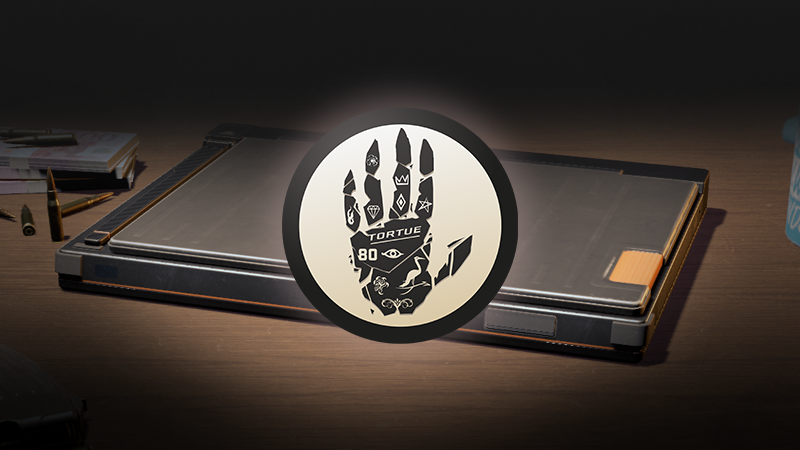
The last seven days in Counter-Strike 2 have been defined by one phrase echoing across the servers: Dead Hand Protocol is live. Valve has dropped the Dead Hand Collection, a curated payload of 17 community-forged finishes and 22 all-new gloves positioned as rare special assets. This isn’t just another cosmetic bundle—it’s a deliberate escalation of CS2’s visual meta and a clear signal of how Valve intends to fuse community craft with long-term live-service design.
The key delivery mechanism is the Dead Hand Terminal, now wired directly into the weekly drop pipeline. Instead of passive, background acquisition, the language around this update is aggressively directive: “Queue up. Gear up. Make every round a visual strike.” That framing matters. It turns cosmetics into part of the tactical fantasy—your handwear becomes an extension of your identity in every flick, every clutch, every highlight reel.
From a #gamedev and #indiegame perspective, this is a case study in:
- Community-Driven Content at Scale – Seventeen finishes sourced from creators shows Valve doubling down on a hybrid pipeline: professional curation, community execution.
- Rarity as Design, Not Just Monetization – Labeling gloves as “rare special assets” reinforces the idea that visual customization is a parallel progression track, not an afterthought.
- Narrative Framing of Cosmetics – The entire drop is wrapped in quasi-military language: “command briefing,” “field report,” “tactical asset update.” That framing keeps cosmetics aligned with the core Counter-Strike 2 fantasy instead of feeling bolted on.
For developers, the Dead Hand rollout underlines how live-service economies can stay fresh without diluting the brand: lean on community creators, but wrap their work in a tightly controlled narrative and rarity structure.
Map Intel: Dust II Tightens, Alpine Syncs
Alongside the cosmetic escalation, Valve quietly pushed a meaningful competitive integrity adjustment: the infamous Dust II pixel gap outside Long doors has been sealed. That single line in the field report carries major implications for high-level play.
Dust II: Closing the Vision Exploit
The Dust II change targets a long-standing exploit where players could gain unintended vision through a micro-gap in geometry. By sealing this pixel gap, Valve is:
- Reasserting map readability as a non-negotiable design pillar.
- Reducing “gotcha” angles that reward obscure knowledge over mechanical skill.
- Aligning CS2’s iconic legacy map with modern expectations of competitive fairness.
From a #gamedev lens, this reflects a mature philosophy: legacy content isn’t sacred if it undermines clarity. Even the most iconic layouts are subject to surgical edits when they intersect with exploit-driven gameplay.
Alpine: Workshop-to-Official Pipeline
The update also notes Alpine being synchronized with the latest Community Workshop deployment, tuned for “tighter combat flow.” That phrase usually signals:
- Adjusted chokepoints and sightlines for more consistent engagements.
- Smoothed traversal paths to reduce awkward movement friction.
- Cleaner timing between bombsites, rotations, and mid-control routes.
This is a subtle but important data point for designers: Valve is treating Workshop-origin maps as living prototypes, iterating in public, then syncing those learnings back into the official branch. For #indiegame teams, it’s a reminder that your community can function as a live testbed—if you’re willing to iterate quickly and push updates with the same seriousness as “core” maps.

Legal Crossfire: Valve vs. NY Attorney General on Lootboxes
The week’s most strategically significant development sits outside the game client: Valve has formally pushed back against the New York Attorney General’s lawsuit targeting lootbox systems in Counter-Strike 2, Dota 2, and Team Fortress 2.
The NYAG’s position frames lootboxes as unlawful gambling mechanisms aimed at minors, challenging the core loop of randomized item acquisition that underpins much of Valve’s economy. Valve’s response emphasizes two critical points:
- Regulatory Engagement Since Early 2023 – Valve claims it has been actively briefing regulators on virtual item economies, suggesting it sees this not as a surprise attack but as an ongoing negotiation about how digital scarcity, trading, and randomization should be governed.
- Concerns Over Proposed Alterations – Valve signals “serious concerns” with the changes NYAG wants enforced. While specifics aren’t fully public, any mandated redesign could affect:
- Case opening and drop mechanics in Counter-Strike 2.
- Market liquidity for skins and gloves.
- Monetization schemas across Valve’s portfolio.
For developers, this is a potential precedent-setting moment. The outcome could:
- Force a rethink of randomized rewards in live-service games targeting or accessible to minors.
- Accelerate a shift toward clearer odds disclosures, spending caps, or age-gating.
- Encourage alternative monetization models: direct purchase cosmetics, battle passes, or hybrid systems that reduce regulatory friction.
Crucially, this legal clash lands the same week Valve leans hard into the Dead Hand Collection—a reminder that every new cosmetic system exists inside an increasingly contested regulatory space. The tension between player desire for expressive cosmetics, studio need for sustainable revenue, and regulator concern over gambling-like mechanics is no longer theoretical; it’s now an active battlefield.
Strategic Outlook: What to Watch Next
Heading into the next cycle, the key watchpoints for Counter-Strike 2’s sector intelligence are:
- Dead Hand Telemetry – How quickly do the new gloves and finishes penetrate the highlight meta, and does Valve adjust drop rates or presentation based on early data?
- Competitive Feedback on Dust II – Pro and high-ELO sentiment around the sealed pixel gap will reveal whether further micro-adjustments are coming to legacy maps.
- Alpine’s Iteration Cadence – If Alpine continues to sync with Workshop updates, expect it to become a blueprint for how community-origin maps graduate into long-term competitive rotation.
- Legal Fallout – Any new filings, settlements, or policy shifts in the NYAG case could ripple outward, reshaping how Counter-Strike 2—and the broader industry—designs loot-based economies.
For now, Counter-Strike 2 stands at a three-way intersection: visual escalation via Dead Hand, competitive tightening via map fixes, and legal scrutiny over its economic backbone. The next moves Valve makes will be studied not just by players, but by designers, lawyers, and regulators across the entire industry.
Sources and corrections
This archive entry does not have a verified article-source list. Images and video embeds alone are not evidence for every claim.
Found an error? Request a correction. Include the passage and a supporting source.