Automated archive / Counter-Strike 2
Dead Hand Online: Counter-Strike 2’s Loot, Legal Crossfire, and Live-Ops Meta This Week
Counter-Strike 2’s latest week blends high-impact cosmetic deployment, precision map tuning, and a looming legal showdown over lootboxes. For developers, it’s a live snapshot of how content, balance, and regulation now share the same battlefield.
AI-generated summary. This archive article does not have a current recorded source check. Check linked sources before relying on details. Editorial policy
Sector Intelligence Report: Counter-Strike 2 – Week in Review
Counter-Strike 2’s live-ops stack just spun up a high-intensity cycle: a new cosmetic operation via the Dead Hand Collection, targeted map tuning for Dust II and Alpine, and a parallel escalation on the legal front as Valve pushes back against the New York Attorney General over lootbox design. For #gamedev and #indiegame teams watching CS2 as a bellwether for live-service design, this week is a compact case study in how content, balance, and compliance collide.
Dead Hand Collection: Style as a Tactical System
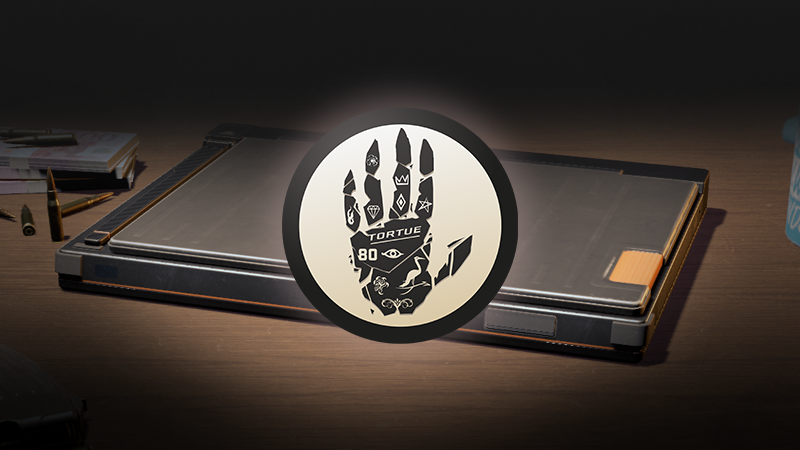
Valve has deployed the Dead Hand Collection, framed in-universe as a logistics and acquisition protocol rather than a simple skin drop. The language in the briefings is deliberate: “community-forged finishes”, “rare special assets”, and “Dead Hand Terminals” all push the idea that cosmetics are part of the operational layer, not just visual garnish.
Key details from the field reports:
- 17 new community-forged finishes – reinforcing Valve’s long-standing pipeline where community artists function as an external content arm. For developers, this is a mature example of UGC integrated into the official economy, with discoverability, curation, and revenue-sharing all quietly underpinning the release.
- 22 all-new gloves as rare special assets – gloves continue to sit at the high end of CS2’s cosmetic hierarchy. Positioning them as "weaponized STYLE on every highlight reel" is more than marketing copy; it’s an explicit nod to the spectator economy and creator ecosystem.
- Dead Hand Terminals as weekly drop vectors – instead of a one-off crate blast, Dead Hand is wired into the weekly drop cadence. This keeps players cycling through matches to trigger potential acquisition, blending progression, habit-forming loops, and cosmetics into a single, repeatable system.
For live-service designers, Dead Hand is a reminder that themed, lore-adjacent cosmetic events can keep a legacy shooter feeling current without destabilizing competitive integrity. No weapon stats are touched; only the economy and engagement loops are.
Map Intel: Micro-Fixes for Macro Fairness
Alongside the cosmetic rollout, Valve quietly shipped targeted map changes—textbook examples of surgical balance work in a highly optimized competitive space.
Dust II: Pixel Gap Outside Long Door Sealed
The report flags a “pixel gap outside Long door” on Dust II being sealed to deny exploit vision. That single line speaks volumes about how CS2’s competitive maps are maintained:
- Pixel gaps are micro-level sightline exploits that top players and analysts inevitably discover.
- Once public, they can skew angle dominance and information asymmetry, especially in pro play where every pixel of vision translates to tactical advantage.
- Sealing the gap is less about fixing a bug and more about protecting the integrity of map theory: standardizing how Long control is contested and reducing “gotcha” vision advantages that sit outside the intended meta.
For #gamedev teams building competitive shooters, this is a live example of:
- Telemetry + community feedback → precision map patches
- Maintaining predictability in sightlines so players can invest in learning angles that won’t be invalidated by obscure exploits.
Alpine: Synced with Community Workshop Iterations
Alpine’s update is described as “synchronized with the latest Community Workshop deployment for tighter combat flow.” That phrasing implies a feedback loop between:
- Workshop iteration (layout tests, chokepoint density, timing runs), and
- Official map deployment.
This is a practical blueprint for #indiegame and AA multiplayer projects:
- Use community spaces as R&D labs for layout and pacing.
- Promote the most successful configurations into the official rotation once data supports them.
- Communicate changes in terms of combat flow, not just patch notes, so players understand the design intent.
Legal Front: Valve vs. NY Attorney General on Lootboxes
The most strategically significant development this week doesn’t live on a map—it lives in court filings. Valve is contesting the New York Attorney General’s lawsuit that targets lootboxes in Counter-Strike 2, Dota 2, and Team Fortress 2 as unlawful gambling mechanisms for minors.
Key signals from Valve’s response:
- They highlight ongoing engagement with regulators since early 2023, suggesting that Valve has been proactively trying to define how virtual item economies should be understood and governed.
- They express “serious concerns with the alterations the NYAG claims are necessary”, hinting that the requested changes may fundamentally disrupt how CS2’s monetization and trading ecosystem operates.
For developers, the implications are broad:
- Precedent risk – A ruling against Valve could set a standard affecting not just AAA, but any game using randomized rewards, from gacha systems to card packs.
- Economy design under scrutiny – CS2’s long-running skin and case economy is one of the most studied virtual markets in games. Regulatory pressure here will ripple into how future lootbox, battle pass, and cosmetic pipelines are architected.
- Design documentation matters – Valve’s emphasis on prior regulator briefings underscores the importance of paper trails, internal policy, and clearly documented compliance strategies.
For #gamedev and #indiegame studios, watching this case is as important as watching any major esports final. The outcome will inform risk assessments, age-gating strategies, and monetization design for years.

Strategic Takeaways for Developers
- Cosmetics as narrative systems: Dead Hand shows how to wrap pure visuals in operational language, reinforcing identity and retention without touching balance.
- Map updates as live communication: Micro-fixes like Dust II’s pixel gap change are opportunities to signal that competitive integrity is actively defended.
- Workshop as prototyping infrastructure: Alpine’s tuning underscores that community tools can double as design labs for official content.
- Monetization must be regulation-ready: As Valve pushes back against the NYAG, every studio using random rewards should be stress-testing its systems for transparency, age-appropriateness, and long-term legal resilience.
Counter-Strike 2 continues to operate as a live case study in high-stakes live-service design: cosmetics, competition, and compliance all moving in lockstep. The Dead Hand is online—and so is the spotlight on how this genre funds itself.
Sources and corrections
This archive entry does not have a verified article-source list. Images and video embeds alone are not evidence for every claim.
Found an error? Request a correction. Include the passage and a supporting source.
Your games, in one place
Keep up with Counter-Strike 2
Follow this game to collect its posts in your personal feed. Come back to see what you missed.
More to read about Counter-Strike 2
- Source-checked briefCounter-Strike 2 update improves demo replay tools
A Counter-Strike 2 update adds demo download progress tracking and paused-demo camera options, while also changing a server backup setting and improving Vulkan renderer stability. Demo and replay...
- Source-checked briefCounter-Strike 2 update adjusts AUG reload and audio
A Counter-Strike 2 update adds a dropped defuse-kit ping indicator, shortens AUG reload time, and fixes several audio and map issues. Dropped defuse kits have a ping icon. The AUG reload is half a...
- Source-checked briefCounter-Strike 2 update fixes grenade crosshair display
A Counter-Strike 2 update fixes grenade crosshair rendering for a specific thickness setting and makes equipped gloves visible in more interface scenes. It also includes map lighting and...