Automated archive / Clockwork Revolution
Clockwork Revolution Sector Intelligence: Heist Protocols, Temporal Exclusivity, and a City That Rewrites You Back
Clockwork Revolution just escalated its campaign with a new Heist gameplay sequence, confirmation of Xbox console exclusivity, and fresh intel on its volatile time-manipulation systems. This week’s Sector Intelligence Report breaks down what that means for players, platform strategy, and the future of systemic...
AI-generated summary. This archive article does not have a current recorded source check. Check linked sources before relying on details. Editorial policy

Sector Intelligence Report: Clockwork Revolution – Week of June 9, 2026
Avalon’s chronometers are spinning up again. Over the last seven days, inXile’s Clockwork Revolution has shifted from intriguing prototype to fully active operation in the public consciousness, thanks to a new “Heist” gameplay sequence, confirmation of Xbox console exclusivity, and fresh intel on how its time‑bending systems will weaponize cause and effect.
This week’s report dissects what these signals mean for players, for #gamedev watchers, and for any #indiegame studio eyeing systemic narrative design at scale.
The Heist Sequence: Time-Bending Spectacle With Teeth
The latest “Clockwork Revolution – The Heist” showcase frames the game as a precision infiltration sim wrapped in a high‑octane shooter shell. The operation plays out across tight corridors and layered combat spaces, but the key detail isn’t the gunfire—it’s how time manipulation actively rewires the encounter geometry and pacing.
Intel from the activity feed highlights:
- “Time‑bending infiltration”: The heist isn’t a fixed script; it’s a temporal puzzle. Rewinds, jumps, or alterations appear to reconfigure guard routes, access paths, and even the presence of certain enemies.
- “Brass‑and‑steam firepower”: The arsenal leans into neo‑Victorian excess—chunky rifles, ornate pistols, and likely modular gadgets that feel bolted together in a back‑alley lab rather than a sterile armory.
- “Tight corridor combat tuned for spectacle”: The level design is clearly built to show off cascading cause‑and‑effect. Expect chain reactions—one altered choice in the past cascading into different chokepoints, ambushes, or escape vectors.
For replay hunters, the coded message is obvious: The Heist is a systems showcase, not just a story beat. If inXile sustains this design philosophy across the campaign, Clockwork Revolution could sit in the same conversation as immersive sims that reward iteration and experimentation, not just completion.
Temporal Systems: Narrative Volatility by Design
The broader Temporal Systems Report paints Avalon as a living, reactive organism. This isn’t just a pretty neo‑Victorian city; it’s a causal network waiting to be rewired.
Key intelligence:
- “Every temporal interference rewires the mission space” – This implies more than cosmetic changes. NPC roles, patrol logic, and quest routes could be dynamically reassigned when you tamper with key events.
- “Burlesque dens, dense clockwork cityscapes” – The setting isn’t window dressing. These spaces are likely hubs where you feel the consequences of previous runs: changed clientele, altered power structures, different factions in control.
- “Cause‑and‑effect gunfights that mutate NPC roles, routes, and outcomes mid‑campaign” – This is the real frontier. If inXile’s systemic design is robust, a single assassination, rescue, or betrayal in one chapter could remap who is hostile, who is a quest‑giver, and who even exists later.
From a #gamedev standpoint, this is branching narrative on hard mode. Instead of discrete A/B choices locked to dialogue trees, Clockwork Revolution appears to be chasing paradox chains—where small nudges create emergent outcomes that must still resolve into a coherent story. The challenge is ensuring players feel powerful without completely shredding narrative legibility.
If inXile pulls it off, this becomes a reference point for studios exploring time mechanics beyond simple rewinds or roguelite loops.
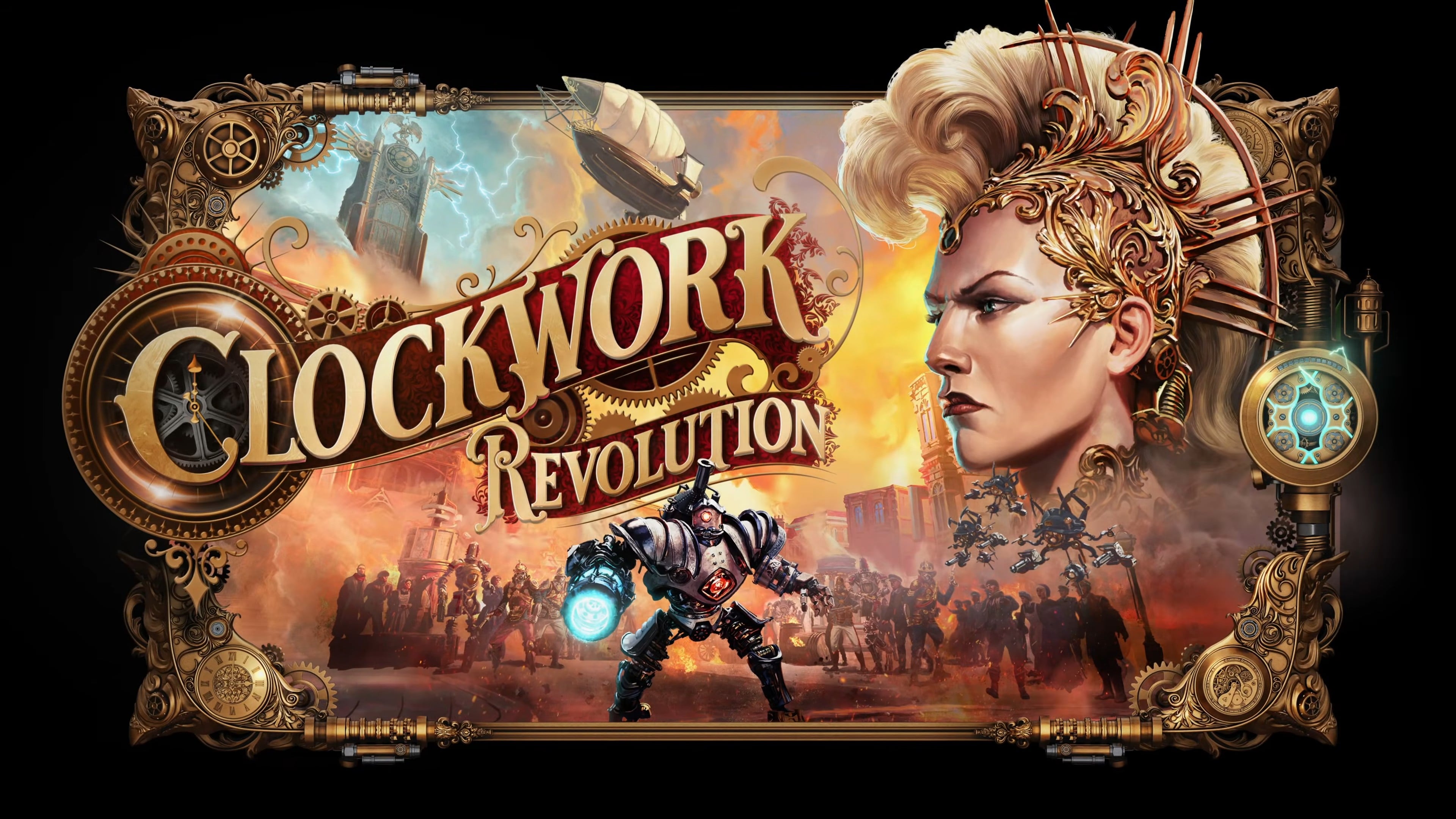
Platform Strategy: Xbox Console Exclusive, PC in the Loop
The second major data packet this week confirms Clockwork Revolution as an Xbox console exclusive, with PC firmly in the deployment plan. There’s still no precise launch date, but the operational window is pegged for next year, leaving Microsoft ample room to position it as a tentpole RPG for the post‑Starfield landscape.
Strategically, this exclusivity does three things:
- Strengthens Xbox’s narrative‑driven RPG portfolio: With inXile, Obsidian, and Bethesda under one umbrella, Microsoft can stagger releases to keep story‑first players inside the ecosystem.
- Gives Game Pass a systemic showpiece: A replay‑heavy, choice‑driven shooter‑RPG is perfect subscription fuel—players are incentivized to run multiple timelines without additional purchase friction.
- Signals confidence in inXile’s tech stack: Locking in exclusivity suggests Microsoft sees Clockwork Revolution not just as a one‑off, but as a potential franchise‑level IP and a testbed for future time‑driven design.
For PC players, the message is simpler: you’re in from day one, but don’t expect a PlayStation timeline to open up anytime soon.
Risk Assessment: Complexity, Cohesion, and Performance
While the pitch is electric, the risks are non‑trivial:
- Systemic complexity vs. player clarity – The more aggressively the game rewires Avalon, the more work UI, quest design, and narrative framing must do to keep players oriented.
- Performance under paradox – Dynamically shifting NPC roles and routes across multiple timelines is CPU‑heavy. Maintaining stable performance on Xbox hardware while tracking those states will be a core technical challenge.
- Narrative coherence – The promise of “cascading paradox chains” is thrilling, but if every choice feels like chaos with no thematic throughline, players may disengage.
For #indiegame teams watching from the sidelines, Clockwork Revolution is a high‑budget experiment in problems many smaller studios are also wrestling with: how to make choice matter without collapsing under combinatorial explosion.
Sector Outlook: High-Value Target for RPG and Systems Fans
With the Heist protocol now publicly demonstrated and platform strategy locked, Clockwork Revolution has transitioned from abstract pitch to tangible systems showcase. The coming months will need to answer crucial questions—how progression works across timelines, how far the city can diverge, and whether late‑game content meaningfully reflects your accumulated paradox trail.
Until then, Avalon stands as one of 2027’s most volatile prospects: a neo‑Victorian shooter‑RPG where the real endgame isn’t just beating the story—it’s seeing how many ways you can break time before it breaks you back.
Sources and corrections
This archive entry does not have a verified article-source list. Images and video embeds alone are not evidence for every claim.
Found an error? Request a correction. Include the passage and a supporting source.