Automated archive / Clair Obscur: Expedition 33
Clair Obscur: Expedition 33 Becomes 2026’s New Design Standard
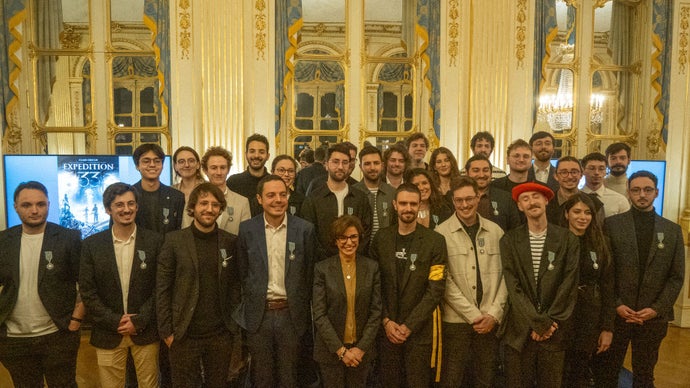
Clair Obscur: Expedition 33 just converted critical buzz into hard data, sweeping GDCA 2026 and leading the BAFTA grid with 12 nominations. Behind the painterly RPG is a ruthlessly efficient Unreal pipeline that should make every studio re-evaluate how it empowers designers and artists.
AI-generated summary. This archive article does not have a current recorded source check. Check linked sources before relying on details. Editorial policy
Sector Overview: Clair Obscur’s Award Gravity Goes Critical
In a single seven‑day window, clair obscur: expedition 33 has shifted from breakout curiosity to full-blown reference point for the #gamedev sector. Sandfall Interactive’s painterly, turn-based/real-time hybrid RPG has:
- Secured Game of the Year at the 26th Game Developers Choice Awards (GDCA) 2026, plus four additional high-tier awards.
- Led the BAFTA Games Awards 2026 nominations grid with 12 nods, including Best Game, outpacing heavyweights like Death Stranding 2: On The Beach, Ghost of Yotei, Dispatch, and Indiana Jones.
For developers, this isn’t just an awards story—it’s a live data point that validates risky aesthetics, hybrid combat systems, and aggressively autonomous content pipelines as commercially and critically viable meta.
Awards Telemetry: What GDCA & BAFTA Are Really Rewarding
The GDCA 2026 sweep and BAFTA nomination surge send a clear signal about what the current cycle is rewarding:
1. Artistic Risk as a Core Pillar, Not a Skin
Clair Obscur’s hand-painted, oil-on-canvas visual identity isn’t treated as a veneer—it’s the structural backbone of the experience. The art direction informs encounter readability, emotional pacing, and even UX affordances.
- The GDCA recognition suggests juries are prioritizing cohesive aesthetic vision over raw technical spectacle.
- BAFTA’s 12 nominations underline that a strong stylistic thesis can cut through a crowded AAA field.
For #indiegame teams, this is permission to double down on strong visual theses, even if they’re technically unconventional.
2. Hybrid Combat as the New Turn-Based Baseline
The game’s combat—melding turn-based structure with real-time input checks and positional timing—has emerged as a key talking point in both awards circuits.
- It demonstrates that turn-based isn’t “old-school”; it’s a flexible scaffold for experimentation.
- The meta takeaway: if your system is legible and responsive, you can safely layer timing, rhythm, and spatial constraints without losing mainstream players.
For combat designers, Expedition 33 is now a reference build for how to keep tactical clarity while injecting action-game tension.
Pipeline Intel: How Sandfall Built for Creative Autonomy
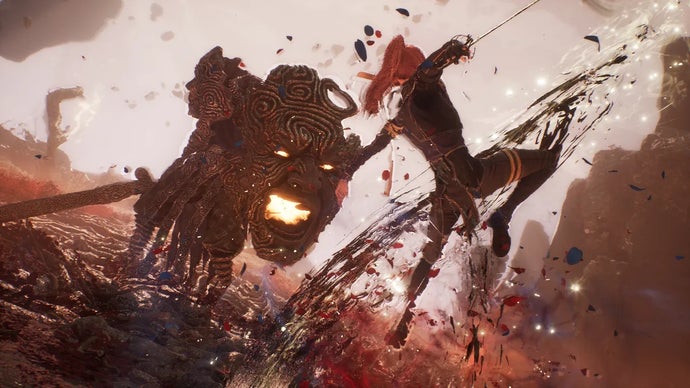
Sandfall’s GDC-facing breakdown of their production stack reads like a case study in design-led engineering.
1. Modular Unreal Tooling
The team weaponized a flexible Unreal Engine toolchain that allowed:
- Designers to rapidly prototype combat variants—tuning timings, windows, and enemy behaviours—without programmer intervention.
- Artists to plug in new VFX, shaders, and painterly treatments via modular, data-driven components.
Result: high iteration velocity with minimal tech-debt accumulation, even as the art direction stayed aggressively bespoke.
2. Asynchronous Workflows
The studio leaned into async, parallelized workflows:
- Narrative, encounter design, and visual polish advanced concurrently, with shared schemas and clear handoff contracts.
- Engineers built editor utilities and debugging overlays to keep non-programmers unblocked—an investment that paid dividends as combat and narrative beats were reworked late in the cycle.
For teams chasing similar ambition, the lesson is blunt: if your tools don’t let non-engineers test ideas same-day, your risk tolerance is fake.
3. Tight Combat Tuning Loops
Their internal telemetry emphasized feel-first iteration:
- Micro-adjustments to input buffering, animation anticipation, and hit-stop were tested in short cycles with mixed-discipline feedback.
- Narrative stakes were tied directly to combat pacing—boss fights and story inflection points were tuned in tandem, not in isolation.
The GDCA and BAFTA response suggests this holistic tuning loop—where story, mechanics, and visuals are tuned as one system—is now a competitive differentiator, not a luxury.
Market & Meta Impact: What Devs Should Recalibrate Now
With clair obscur: expedition 33 now positioned as a prime node in the 2026 cycle, several meta-shifts are worth logging into your production roadmap:
1. Narrative Punch + Experimental Mechanics = High-Value Signal
Awards bodies are clearly rewarding games where mechanics and narrative are co-authored:
- Combat systems that mechanically echo character arcs and thematic beats.
- Visual choices that support emotional readability, not just screenshots.
If your narrative and systems teams aren’t in the same room during pre-production, you’re leaving critical resonance on the table.
2. Design Autonomy as a Strategic Investment
Sandfall’s process validates a trend: tooling that empowers designers and artists is now a front-line budget item, not backlogged tech polish.
- Studios that invest early in designer-friendly scripting, visual state machines, and live-tuning tools can chase bolder mechanics with less schedule risk.
- In a landscape where clair obscur: expedition 33 is demonstrating what’s possible, teams that cling to programmer-gated iteration cycles will feel increasingly slow and conservative.
3. Awards as Discoverability Engines
The GDCA win and BAFTA nomination spike don’t just feed prestige—they materially alter discoverability and platform leverage:
- Expect increased storefront featuring, platform-holder amplification, and long-tail sales.
- For peers, this reaffirms that high-concept, mid-budget projects can punch above weight when execution is tight and pipelines are built for experimentation.
Strategic Takeaways for Studios Tracking Expedition 33
- Codify your visual thesis early and let it drive system design, not just marketing art.
- Invest in modular, non-programmer-friendly tooling inside Unreal or your engine of choice; autonomy is now a competitive edge.
- Prototype hybrid systems (turn-based + real-time, tactical + rhythm, etc.) with rigorous UX testing rather than defaulting to genre orthodoxy.
- Align story, combat, and art direction in a single, shared roadmap; awards data is clear that cohesion outperforms feature sprawl.
Clair Obscur: Expedition 33 isn’t just winning trophies—it’s rewriting what ambitious, art-forward RPGs can look like when pipelines are deliberately engineered for creative freedom.
Sources and corrections
This archive entry does not have a verified article-source list. Images and video embeds alone are not evidence for every claim.
Found an error? Request a correction. Include the passage and a supporting source.