Automated archive / Clair Obscur: Expedition 33
Sector Intelligence Report // Clair Obscur: Expedition 33 Becomes 2026’s New Design Reference Point
Clair Obscur: Expedition 33 just converted awards buzz into hard data, sweeping the GDCA and leading the BAFTA Games Awards 2026 nominations. For developers, it’s rapidly becoming the blueprint for how to align bold art direction, hybrid combat, and a designer-first pipeline.
AI-generated summary. This archive article does not have a current recorded source check. Check linked sources before relying on details. Editorial policy
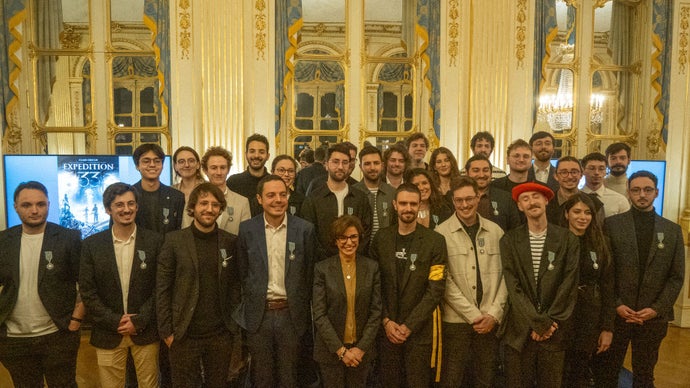
Signal Overview
Clair Obscur: Expedition 33 has shifted from promising outlier to confirmed reference title in the #gamedev landscape this week. Between a dominant showing at the Game Developers Choice Awards 2026, a BAFTA nomination surge, and fresh intel on Sandfall Interactive’s production pipeline, the game is no longer just an acclaimed #indiegame—it’s a live case study in how to fuse artistic risk with disciplined systems design.
For teams tracking where award bodies, platform holders, and peers are pointing their attention, Clair Obscur: Expedition 33 is now a high‑priority node. This week’s data strongly suggests that narrative-forward, stylistically bold RPGs with hybrid combat systems are reading as high-value bets for the next cycle.
Awards Circuit: From Outlier to New Baseline
GDCA 2026: Five-Trophy Sweep
The 26th Game Developers Choice Awards turned into a full-spectrum validation pass for Clair Obscur: Expedition 33. The title breached the mainframe with five major wins, including Game of the Year, putting hard industry backing behind its experimental combat and painterly presentation.
This matters for developers because GDC juries are heavily weighted toward working practitioners. When that cohort rewards a game for artistic risk, hybrid real-time/turn-based combat, and tight systems design, it effectively greenlights similar experimentation across the ecosystem. Expect more pitches and greenlights that:
- Anchor risky mechanics with readable, disciplined systems.
- Treat visual identity as a core design pillar, not a post-process layer.
- Tie combat pacing directly to narrative stakes, rather than siloing story and systems.
BAFTA 2026: Nomination Gravity

On the BAFTA Games Awards 2026 grid, Clair Obscur: Expedition 33 has seized control with 12 nominations, including Best Game. That nomination density is important: BAFTA tends to reward craft granularity (audio, animation, narrative, technical achievement), so a double-digit spread signals that the game is overperforming across the entire production stack.
The knock-on effect is already visible in the discourse: when a stylized, French-inspired fantasy RPG leads the field while a heavyweight like Death Stranding 2: On The Beach misses Best Game, it reframes what “prestige” looks like. High-budget cinematic realism is no longer the only prestige lane; stylized, authored worlds with strong mechanical hooks are now equally aspirational.
Pipeline Intel: Design Autonomy as a Force Multiplier
Unreal as a Creative, Not Just Technical, Backbone
A key briefing from GDC this week detailed how Sandfall Interactive weaponized Unreal Engine to keep Clair Obscur: Expedition 33’s creative loop fast and low-friction. Instead of a programmer-gated pipeline, the team built modular tools and async workflows that allowed designers and artists to:
- Prototype combat variants rapidly without waiting on engineering.
- Iterate on painterly visual treatments in-engine, rather than offline.
- Tune encounter pacing and enemy behaviors late into production with minimal tech debt.
This “design autonomy pipeline” reframes Unreal from a monolithic engine to a toolkit for creative independence. The lesson for other teams: your engine choice is only half the story; the internal tools and permissions you wrap around it determine whether your designers can actually ship daring ideas.
Combat & Systems: Hybrid Is Now a Proven Meta
Clair Obscur: Expedition 33’s combat—often described as a hybrid between turn-based planning and real-time execution—has now been validated at both peer and awards levels. That’s a strong signal that the market is ready for:
- Temporal hybrids that mix queued decisions with live timing windows.
- Rhythm and precision layers on top of classic RPG structures.
- Diegetic UI and painterly feedback that fold readability into the art style, not on top of it.
For designers, this opens space to push beyond traditional ATB or pure action systems, provided the underlying rules remain legible. For producers, the GDCA and BAFTA response helps justify the extra R&D budget such systems often require.
Visual Identity: Painterly Worlds as a Competitive Edge
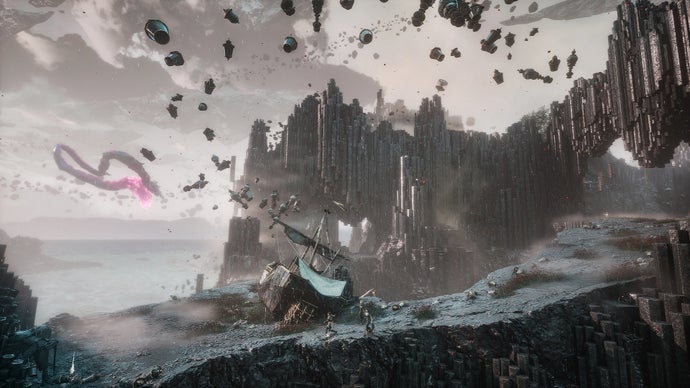
Clair Obscur: Expedition 33’s painterly aesthetic isn’t just surface-level art direction; it’s structurally integrated into combat readability, enemy silhouettes, and ability telegraphs. The result is a world that feels like a moving illustration while still serving the needs of high-clarity, timing-sensitive play.
The combined GDCA wins and BAFTA nods suggest that distinctive visual identity is increasingly being evaluated alongside mechanical innovation, not behind it. Teams that can align art, UX, and systems early will be better positioned to compete in this emerging prestige lane.
Strategic Takeaways for Devs
For studios monitoring this week’s signals around clair obscur: expedition 33, several actionable patterns emerge:
- Invest in designer-facing tools. Sandfall’s modular, async setup shows that empowering non-programmers can accelerate experimentation without collapsing under tech debt.
- Treat art style as a systemic choice. Painterly rendering and combat feedback were designed together, not sequentially.
- Don’t be afraid of hybrid combat. Award bodies are clearly willing to reward systems that blur genre lines, as long as they remain legible and purposeful.
- Narrative plus mechanics is the current high-value combo. The awards response confirms that emotional impact paired with experimental systems is a strong bet for the coming cycle.
As the BAFTA awards ceremony approaches and postmortems deepen, expect Clair Obscur: Expedition 33 to be cited heavily in talks, pitch decks, and internal design docs. For now, the signal is clear: this is no longer just a breakout #indiegame—it’s a live blueprint for where prestige RPG design is heading.
Watch: Transmitting Gameplay footage from the field: Official Expedition 33 gameplay reel
Sources and corrections
This archive entry does not have a verified article-source list. Images and video embeds alone are not evidence for every claim.
Found an error? Request a correction. Include the passage and a supporting source.
Your games, in one place
Keep up with Clair Obscur: Expedition 33
Follow this game to collect its posts in your personal feed. Come back to see what you missed.