Automated archive / Clair Obscur: Expedition 33
Clair Obscur: Expedition 33 Just Went From Cult RPG to Cultural Mainframe
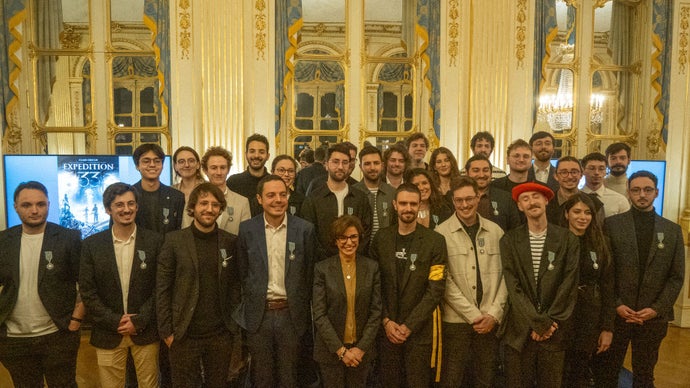
Clair Obscur: Expedition 33 just converted from cult RPG to cultural mainframe, sweeping the 2026 D.I.C.E. Awards and sending its orchestral soundtrack past Bad Bunny on European charts. For developers and publishers, it’s a live case study in how stylized vision, integrated design, and aggressive audio ambition...
AI-generated summary. This archive article does not have a current recorded source check. Check linked sources before relying on details. Editorial policy
Sector Intelligence Report // Clair Obscur: Expedition 33
In one seven‑day sweep, clair obscur: expedition 33 has done what most #gamedev teams only model in pitch decks: lock down prestige, breach the mainstream music charts, and redraw the expectations grid for painterly, systems‑driven RPGs.
This week’s telemetry shows two major spikes:
- A D.I.C.E. Awards 2026 takeover, including Game of the Year.
- A soundtrack overperformance event that pushed the OST above Bad Bunny on album charts across the UK, France, and Germany.
For developers, publishers, and anyone tracking the #indiegame escalation curve, this is a live case study in how an ostensibly niche RPG can metastasize into a full‑spectrum media property.
Awards Sweep: D.I.C.E. as a Force Multiplier
The signal from the 29th D.I.C.E. Awards is unambiguous: Clair Obscur: Expedition 33 is now a reference title.
The game pulled in five major trophies, with Game of the Year as the centerpiece. In the same field where Ghost of Yotei carved out three wins and Death Stranding 2 claimed two, Clair Obscur still walked away as the new benchmark.
From a development‑side lens, this matters for three reasons:
1. Systems and Aesthetic as a Unified Thesis
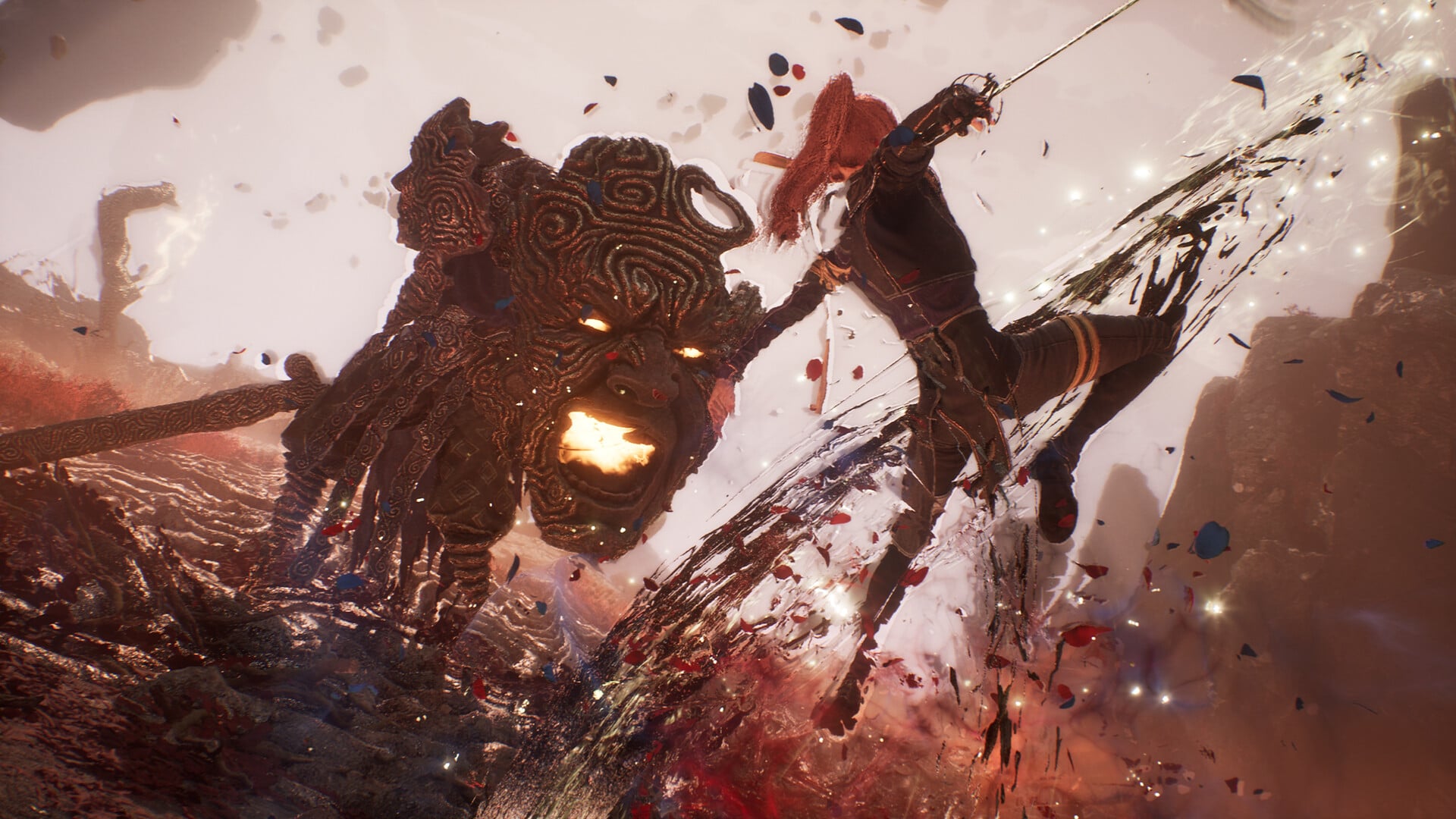
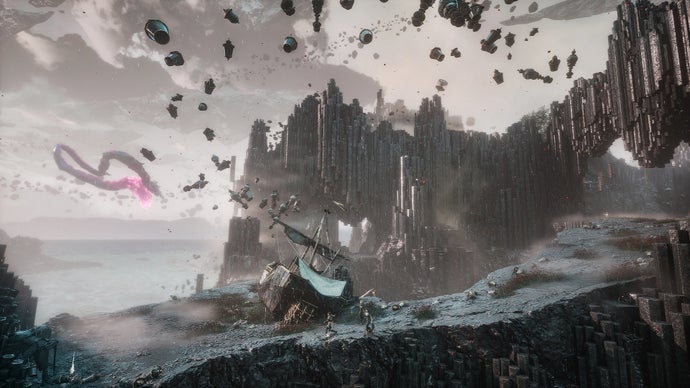
D.I.C.E. tends to reward titles where mechanics, art direction, and narrative are tightly integrated rather than superficially aligned. Clair Obscur’s surreal, painterly visual identity isn’t just surface dressing; it informs combat readability, encounter design, and emotional pacing.
This suggests that the judges read the game as a holistic design statement, not just a stylish RPG. Expect more pitches and prototypes trying to replicate this "painted world as systemic space" approach.
2. Risk Profile Recalibration for Stylized RPGs
When a heavily stylized RPG secures Game of the Year over bigger, safer bets, it nudges publisher risk models. The message: audiences will follow strong, coherent vision, even when the art direction is aggressively non-photoreal.
That’s ammunition for creative directors arguing against generic visual pipelines and for bespoke rendering, stylization shaders, and bolder worldbuilding.
3. Pipeline Gravity and Talent Flows
Multiple D.I.C.E. wins tend to reroute talent flows. Studios with similar ambitions—hybrid action/RPG systems, strong narrative scaffolding, painterly or non-standard aesthetics—now have a new competitive benchmark for recruiting.
In other words: the bar for "prestige RPG" just moved, and teams in that lane will be measured against Clair Obscur’s execution.
Soundtrack Overclock: When an RPG OST Outclimbs Bad Bunny
The more surprising data point this week is not awards—it’s charts.
Clair Obscur: Expedition 33’s orchestral score has breached mainstream album charts in the UK, France, and Germany, placing above global pop acts including Bad Bunny. That makes it the highest‑charting game score in those territories to date, turning what started as a niche RPG OST into a commercial warhead.
For #gamedev teams, this is a strategic inflection point:
1. Audio as a Primary, Not Auxiliary, Pillar
The OST’s breakout performance validates treating music direction as a first‑class pillar from pre‑production—on par with narrative and core gameplay.
Clair Obscur’s score isn’t just background dressing; it’s been architected as a brand vector. The orchestration, thematic motifs, and production quality clearly exceeded the “functional underscore” standard and landed at “standalone listening experience” quality.
2. Cross‑Media Funnel Expansion
Charting above a mainstream titan like Bad Bunny does more than generate headlines. It creates a reverse discovery funnel:
- Non‑gamers encounter the soundtrack via playlists, radio, and chart coverage.
- Curiosity pushes them toward trailers, streams, and eventually the game itself.
- The IP stops being “just a game” and starts to function as a cross‑media brand.
This is how you grow an audience laterally, not just vertically within the existing core player base.
3. Licensing, Sync, and Long‑Tail Revenue
A charting game OST is a magnet for sync deals (film, TV, trailers, advertising) and live performances (orchestral concerts, festival sets). That translates to:
- Extended revenue tail beyond launch window sales.
- Brand persistence, as themes resurface in non-gaming contexts.
- Additional justification for premium audio budgets in future projects.
For studios watching this play out: investing in a strong, cohesive musical identity is no longer a “nice to have”—it’s a credible business strategy.
Market Impact: From Underground Signal to Mainstream Certified
With both awards prestige and music‑chart validation firing in the same week, Clair Obscur: Expedition 33 has effectively transitioned from underground cult hit to mainframe‑certified phenomenon.
Key implications for the sector:
1. Elevated Brand Heat
The combination of D.I.C.E. GOTY and OST chart dominance gives the IP:
- High critical cachet (awards discourse, think pieces, conference talks).
- High cultural surface area (music coverage, playlists, social chatter outside core gaming channels).
This dual‑channel presence amplifies brand heat, making the IP significantly more attractive for transmedia experiments—novels, animation, or even live‑action adaptation talks.
2. Benchmark for Future Narrative RPGs
Clair Obscur is now a reference point in:
- Painterly, stylized visual pipelines.
- Integrated narrative and combat design.
- Music‑forward worldbuilding.
Expect future narrative RPG postmortems and GDC talks to position themselves relative to Clair Obscur’s approach—either aligning with it or explicitly diverging from it.
3. Signal for Investors and Publishers
From an investment and publishing standpoint, the game’s trajectory sends a clear message:
- High‑concept, visually distinct RPGs are commercially viable when executed with conviction.
- Audio and art direction can be primary differentiators, not just production cost centers.
Studios in pitch mode should be ready to articulate how their projects can achieve a similar multi‑vector breakout—awards, charts, and community—rather than relying solely on genre familiarity.
Takeaways for Developers and Studios
For teams currently in pre‑production or mid‑cycle on ambitious RPGs, the Clair Obscur: Expedition 33 data from this week suggests a few concrete moves:
- Center audio early: Lock in a strong music vision alongside narrative and art. Don’t treat the OST as post‑production filler.
- Design for cohesion: Let visual style, combat systems, and narrative themes reinforce each other. D.I.C.E. tends to reward coherent design theses.
- Think beyond launch: Plan for long‑tail brand presence—concerts, vinyl, streaming playlists, and cross‑media collaborations can all reinforce the IP.
- Use this as leverage: When arguing for stylized visuals or bold creative direction, Clair Obscur is now a live, data‑backed case study.
In sector terms, clair obscur: expedition 33 isn’t just another critically acclaimed RPG. It’s a signal that the market will reward distinctive aesthetics, integrated design, and aggressive audio ambition—and that a so‑called “niche” project can, under the right conditions, out‑climb global pop acts and rewire the prestige hierarchy in a single sweep.
Sources and corrections
This archive entry does not have a verified article-source list. Images and video embeds alone are not evidence for every claim.
Found an error? Request a correction. Include the passage and a supporting source.