Automated archive / Clair Obscur: Expedition 33
Clair Obscur: Expedition 33 Just Graduated From Cult Hit to Cultural Superpower
Clair Obscur: Expedition 33 just completed the rare triple: state‑level recognition, D.I.C.E. Game of the Year, and an OST climbing above Bad Bunny on European charts. This isn’t just a breakout RPG—it’s a blueprint for how art‑driven games can become cultural infrastructure.
AI-generated summary. This archive article does not have a current recorded source check. Check linked sources before relying on details. Editorial policy
Sector Overview: From Painterly RPG to Cultural Infrastructure
In the span of a single week, clair obscur: expedition 33 has shifted from prestige hopeful to full-blown cultural infrastructure. What started as a surreal, brushstroke-driven RPG now sits at the intersection of state‑level recognition, awards‑circuit dominance, and mainstream music charts. For #gamedev teams tracking how far a narrative‑first project can scale, this is a live case study in how an "art game" becomes a cross‑media event.
This week’s telemetry flags three critical fronts:
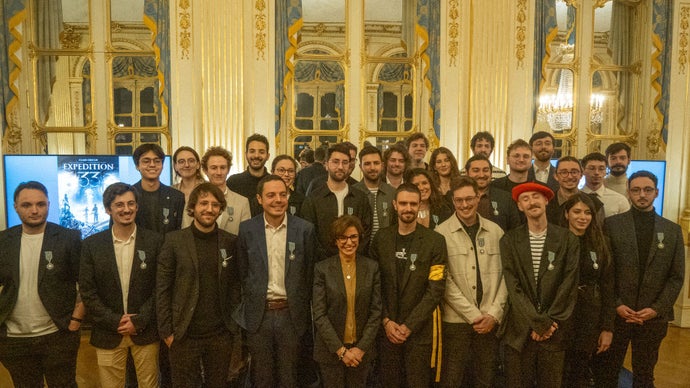
- Institutional validation: Sandfall Interactive’s core dev team has been knighted by the French government.
- Industry dominance: Clair Obscur: Expedition 33 has locked in multiple wins at the 2026 D.I.C.E. Awards, including Game of the Year.
- Mainstream penetration: The game’s orchestral score is now charting above global pop acts like Bad Bunny in multiple European markets.
Each of these would be a headline on its own. Stacked together, they signal a structural shift in how high‑ambition, visually distinct projects are valued, funded, and marketed.
Cultural Elevation: Knighthoods as a Design KPI
Two separate transmissions this week confirmed that 28 developers behind Sandfall Interactive’s clair obscur: expedition 33 have been named Knights of the Order of Arts and Letters by the French Ministry of Culture. That’s not just a feel‑good story; it’s a precedent.
For developers, this is a tangible proof point that:
- Worldbuilding and systems design are now treated as cultural production, not just entertainment content.
- Narrative‑driven, visually ambitious RPGs are competing in the same cultural lane as cinema, literature, and fine arts.
- State‑level institutions are beginning to see games as exportable cultural capital, which has downstream effects on grants, tax incentives, and long‑term funding pipelines.
From a #gamedev perspective, this is a green light for studios pitching risky, stylistically bold projects. Clair Obscur’s success reframes “art game” not as a niche, but as a high‑prestige asset class that governments and cultural bodies want to champion.
Awards Circuit: D.I.C.E. 2026 and the New Benchmark
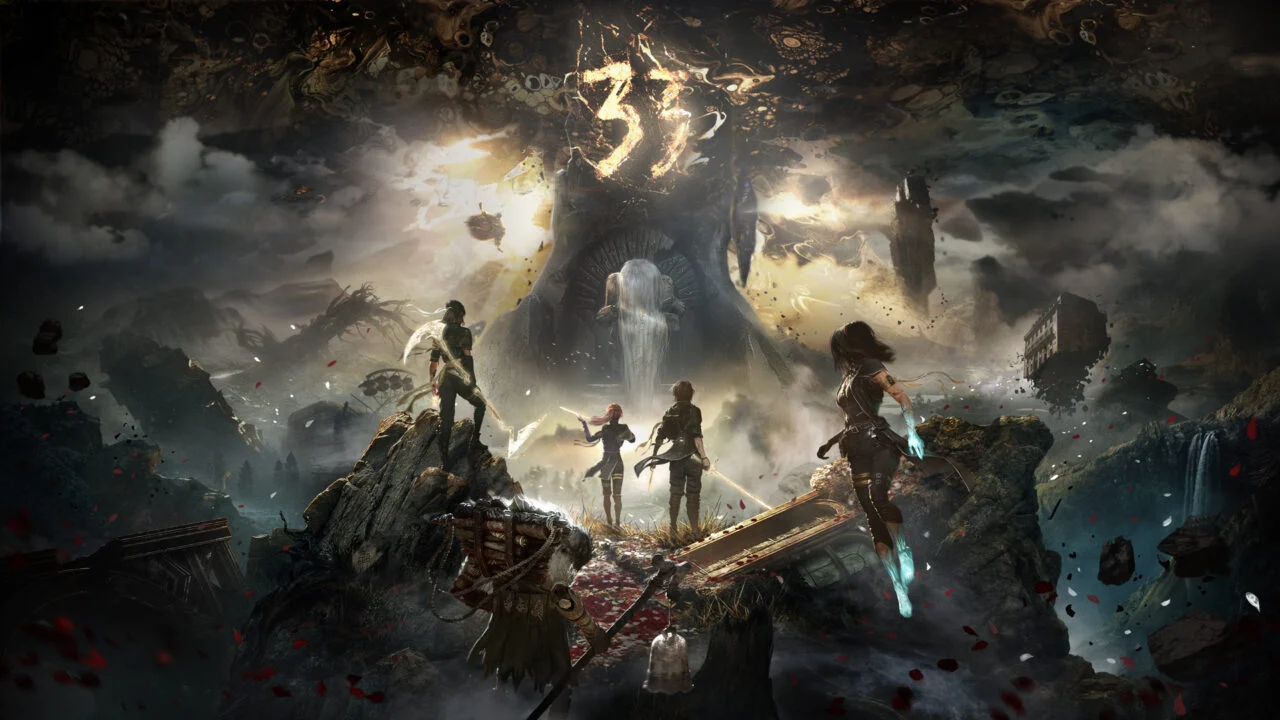
On the industry side, clair obscur: expedition 33 has stormed the 2026 D.I.C.E. Awards, capturing five major trophies, including Game of the Year. Ghost of Yotei and Death Stranding 2 posted strong showings, but Clair Obscur’s performance is the headline: it’s now the standards‑recalibrating title everyone else will be measured against.
Implications for developers and publishers:
- Design Language: The game’s fusion of painterly visual identity with tight, turn‑based systems is now validated at the highest peer‑review level. Expect more pitches that lean into strong art direction + mechanical clarity, instead of photoreal arms races.
- Risk Profile: D.I.C.E. GOTY status makes it easier for other studios—especially #indiegame and AA teams—to argue for non‑generic aesthetics, experimental narrative framing, and hybrid combat systems.
- Hiring & Talent Flow: Studios that want to compete at this tier will chase the kind of cross‑disciplinary talent (concept artists, narrative designers, combat designers, and technical artists) that Sandfall assembled here.
For clair obscur: expedition 33 itself, this locks in long‑tail relevance: academic coverage, GDC talks, design postmortems, and a likely halo effect on Sandfall’s next project.
Audio Front: When an RPG OST Outclimbs Bad Bunny
The most surprising data spike this week comes from the audio front: the Clair Obscur: Expedition 33 soundtrack is now charting in the UK, France, and Germany above global pop acts, including Bad Bunny.
Why this matters beyond bragging rights:
- Cross‑Media Discovery Funnel: Non‑gamers are now entering the IP through Spotify, Apple Music, and radio rather than trailers or store pages. That widens the top of the funnel dramatically.
- Brand Heat and Longevity: A high‑performing OST keeps the brand alive between content beats. Every playlist add is a soft retargeting touchpoint for the game.
- Production Values as Marketing: Orchestral scores are no longer just an atmospheric layer—they’re a front‑line marketing asset. For #gamedev teams, investing in a distinct musical identity is now a defensible budget line, not a luxury.
This also signals a shift in how narrative RPGs can weaponize their audio. Instead of being buried under SFX or ambient noise, Clair Obscur’s score is structured to stand alone as a compelling listen, which is exactly what’s propelling it up the charts.
Strategic Takeaways for Devs and Publishers
For studios watching clair obscur: expedition 33 from the sidelines, this week’s events are more than feel‑good headlines—they’re actionable signals:
1. Treat Art Direction as Core Strategy, Not Surface Polish
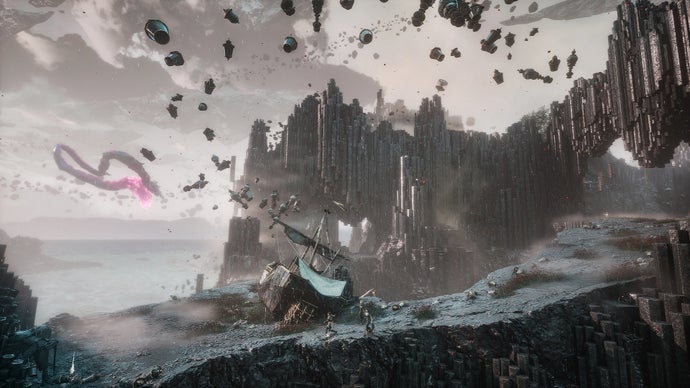
Clair Obscur’s painterly aesthetic isn’t just a visual flourish; it’s the core differentiator that made screenshots, trailers, and now awards coverage instantly recognizable. For #indiegame teams especially, a strong, ownable art direction can substitute for AAA‑level asset density.
2. Design for Cultural Legitimacy From Day One
The French knighthoods didn’t materialize out of nowhere. They’re the result of a project that takes its themes, craft, and cultural positioning seriously. If your narrative and visual language can be meaningfully discussed alongside film and literature, you’re better positioned for grants, festivals, and institutional support.
3. Build Audio as a Parallel Product
Clair Obscur’s soundtrack is functioning as a standalone commercial product and a discovery engine. Consider:
- Structuring your OST for playlistability (distinct motifs, emotional arcs, strong standalone tracks).
- Coordinating launches so that game release, OST drop, and press coverage hit within the same window.
- Working with labels or distributors who understand both game OST culture and mainstream charts.
4. Awards as Long‑Tail Multipliers
D.I.C.E. GOTY isn’t just a trophy—it’s a permanent discoverability buff. It impacts store placement, press interest, academic attention, and platform partnerships. If your project is awards‑capable, plan a festival and awards strategy as deliberately as you plan your launch marketing.
Closing Signal: The Line Between Game and Art Is Now Operational, Not Theoretical
This week’s intelligence confirms what many in the sector have been building toward: the debate over whether games are art is over in practice, not just in think pieces. Clair Obscur: Expedition 33 now sits at the intersection of:
- State recognition (French knighthoods)
- Peer‑driven industry validation (D.I.C.E. Awards dominance)
- Mainstream cultural penetration (chart‑topping orchestral OST)
For developers, this isn’t just inspiration—it’s a new operating baseline. Ambitious, art‑driven projects can now credibly target not only strong sales, but institutional prestige and cross‑media relevance. The sector has a fresh benchmark, and it’s painted in Clair Obscur’s palette.
Sources and corrections
This archive entry does not have a verified article-source list. Images and video embeds alone are not evidence for every claim.
Found an error? Request a correction. Include the passage and a supporting source.