Automated archive / Clair Obscur: Expedition 33
Clair Obscur: Expedition 33 Just Got Knighted – And So Did Game Development
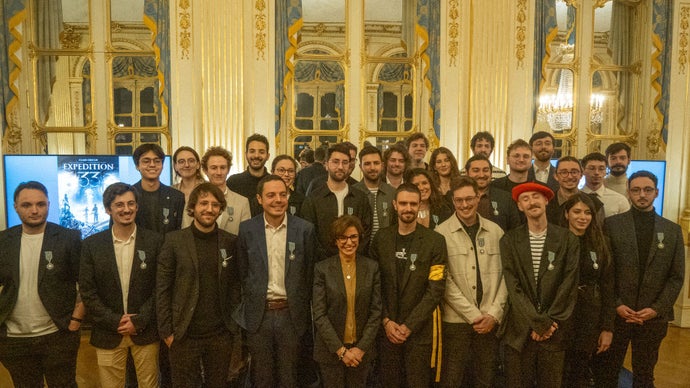
Sandfall Interactive, the studio behind Clair Obscur: Expedition 33, has been knighted by the French government—an institutional upgrade that treats their RPG as high art, not just entertainment. For gamedev and indiegame teams, this is a clear signal that ambitious, art-driven games are becoming core cultural exports.
AI-generated summary. This archive article does not have a current recorded source check. Check linked sources before relying on details. Editorial policy
Sector Intelligence Report: Clair Obscur – Expedition 33
The signal this week isn’t about a new trailer drop or a combat breakdown—it’s about cultural elevation. Sandfall Interactive, the studio behind clair obscur: expedition 33, has been awarded knighthoods in the French Order of Arts and Letters, a state-level recognition usually reserved for heavyweight contributors to culture in film, literature, music, and traditional fine arts.
For #gamedev and #indiegame teams watching from the sidelines, this isn’t just a feel-good headline. It’s a structural data point: governments are beginning to treat ambitious, art-forward games as cultural exports, not just entertainment products.
Why This Knighthood Matters for Game Development
French cultural institutions have long been gatekeepers of what counts as “high art.” By pulling Clair Obscur: Expedition 33 into that circle, they’re implicitly validating several pillars of modern game design:
- Worldbuilding as cultural artifact – The painterly, surreal European aesthetic of Expedition 33 isn’t just set dressing. It’s being read as a coherent artistic language, on par with cinema and illustration.
- Systems design as narrative form – Turn-based combat, progression systems, and player agency are being recognized as literary tools, not just mechanical ones. The game’s fusion of tactical play and narrative stakes is central to why it’s being treated as art.
- Interactive storytelling as exportable culture – France is effectively saying: games like this reflect national creative identity, and deserve the same institutional weight as arthouse film or bande dessinée.
For developers, that’s a quiet but powerful buff. It widens the definition of what kind of work can be pitched to cultural funds, grants, and cross-media programs.
The Strategic Upside: Funding, Prestige, and Risk Appetite
This knighthood doesn’t drop into a vacuum. It lands in the middle of a global conversation about how states support creative industries.
Key implications for studios and publishers:
- Prestige as leverage – Recognition like this gives Sandfall Interactive new leverage when negotiating with publishers, platforms, and investors. Being knighted is a signal of long-term cultural value, not just short-term sales potential.
- Funding pipelines open wider – Expect more governments and cultural councils to start tracking games alongside film and TV when allocating artistic or export funding. Teams that can convincingly frame their projects as cultural statements—like clair obscur: expedition 33—will be first in line.
- Higher tolerance for experimentation – When games are treated as art, risk profiles shift. Formally acknowledging experimental, visually-driven RPGs as culturally important makes it easier for stakeholders to back weird, ambitious pitches.
Sector Trendline: Games as Cultural Infrastructure
Zooming out, this recognition fits into a broader trend:
- Games as cultural infrastructure – Titles like Disco Elysium, Hades, and now Clair Obscur: Expedition 33 are increasingly cited in policy documents, museum programs, and academic research. They’re becoming reference points in how nations describe their cultural output.
- From side quest to main quest – Where games once appeared as a footnote in cultural policy, they’re now being framed as primary drivers of soft power and youth engagement.
- Cross-media resonance – The more games are recognized at this level, the easier it becomes to spin up adaptations, co-productions, and transmedia experiments. That feedback loop further justifies institutional support.
For #gamedev teams, the tactical takeaway is clear: if your project leans hard into distinct visual identity, authored worldbuilding, and strong thematic statements—like clair obscur: expedition 33—you’re no longer just competing in the Steam tags arena. You’re entering a space where ministries of culture, arts councils, and export agencies are potential allies.
Actionable Signals for Developers
If you’re building the next wave of art-forward RPGs or experimental indies, treat this week’s news as a design and business prompt:
- Document your artistic intent – Cultural bodies respond well to clear articulation of themes, influences, and social or artistic goals. Don’t leave that in your head; put it in decks, press kits, and grant applications.
- Track national and regional funds – Many countries already have funds for digital arts, interactive media, or cultural exports. This kind of recognition makes it easier to argue that your game belongs there.
- Think beyond launch – As Clair Obscur: Expedition 33 shows, cultural impact can be recognized before and after release. Plan for festival circuits, museum showcases, and academic partnerships as part of your lifecycle.
This week, Sandfall Interactive didn’t just level up their studio—they nudged the entire medium’s reputation bar forward. For developers watching the horizon, the message is unmistakable: the line between game and art isn’t just blurring. In the eyes of institutions, it’s being redrawn with games firmly inside.
Sources and corrections
This archive entry does not have a verified article-source list. Images and video embeds alone are not evidence for every claim.
Found an error? Request a correction. Include the passage and a supporting source.